Green Capital? 2015 was “extremely difficult”, says Bristol wind power CEO
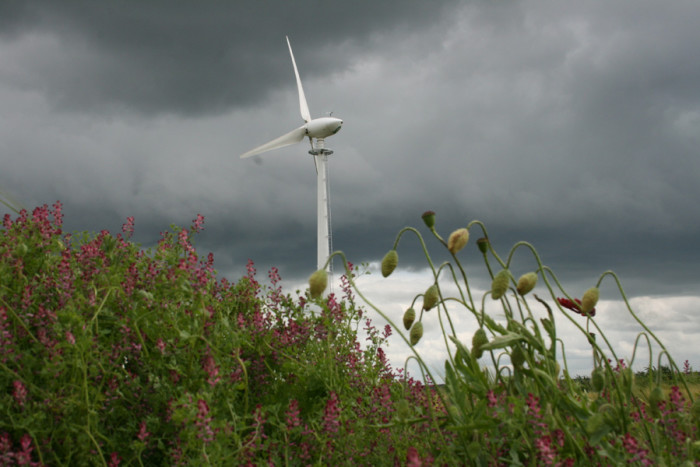

Photo: Aeolus Power.
The renewables industry struggled through Green Capital year – highlighting the chasm between well-intentioned local initiatives and dogmatic central government energy policy.
“As someone who works in the renewables industry, I would like to see any capital that has been made available for green renewable projects used to help turn our local industry towards sustainable energy”says Victoria Griffiths, CEO of Pilning-based wind firm Aeolus Power.
If Griffiths found ‘Green Capital’ year confusing as an environmentalist, as a businesswoman, 2015 was extremely challenging. Policy-wise, it was the worst year ever for wind – a sustained attack from the Conservative government which was, she says, “reduced the FiT, removed pre-accreditation and made planning more difficult”.
Aeolus, who install and maintain mid-sized single turbines on farms across Wales and the south-west, has only just weathered the storm. Their competitors have gone into administration, and the industry as a whole is struggling to adapt.
The fatal blow for wind was announced on 17th December last year, when the new ‘feed-in tariff’ (FIT) was announced – the money paid by the government to turbine owners for the energy they provide to the National Grid. The rates when the tariff was introduced were a generous 45p p/kwh, encouraging many people to invest in installing turbines. The latest tariff was so low – just 8.54p p/kwh for most turbines – that the industry had the wind knocked out of it.
“The opportunities for selling turbines directly to the farmers that need them are greatly reduced,” says Griffiths. “In the next two years I expect we will see an 80% drop in sales as a result the servicing and maintenance will be the focus.”
“The industry can adapt, can work with no feed-in tariffs, or with low ones… but that can’t happen overnight.”
One thing that’s not up for debate with regard to wind is its efficacy. December 2015 was a record-smashing month for wind, when it accounted for 17% of all electricity produced. Annually, wind provided enough energy in 2015 to power 8.25million – or 30% – of all households.
Despite the environmental benefits, the government is determined to ‘control the costs’ of the FIT, which adds about £6 to energy bills per household per year. Hardly breaking the bank, but even that is not necessary for the industry to flourish, says Griffiths: “The industry can adapt, can work with no feed-in tariffs, or with low ones. There’s new technology and innovations in development by wind manufacturers that would make it feasible. But that can’t happen overnight.”
The issue highlights the chasm between well-intentioned local initiatives and dogmatic central government energy policy. As Green Capital’s resident poet shouted ‘poo power!’ at local children, Bristol renewables businesses fought – and in some cases failed – to survive. Griffiths said only one of the MPs she wrote to in the area promised to raise the issue in parliament.
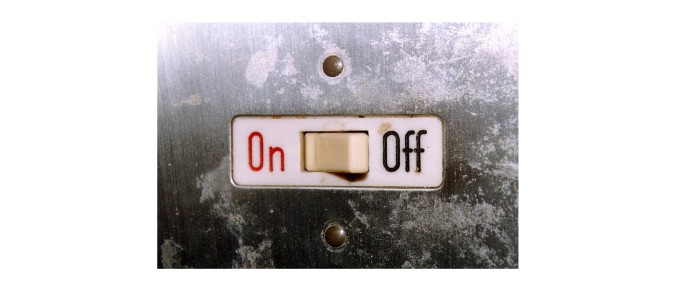
If where our energy comes from is hard to influence, deciding whether to use it or not is certainly something we can control. “I’d like to see a ‘Big, Permanent Switch Off’,” comments Griffiths, pointing to the shop display windows in the city centre that illuminate mannequins at 4am. “Bristol has the right demographics to support local initiatives that could make a real difference, but needs to get better at doing it.”