Too many old white men: the problem with Bristol Council
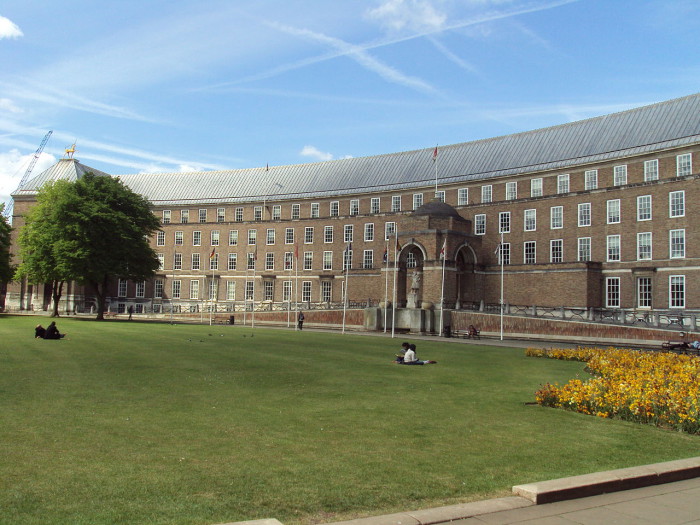
Bristol’s ethnic minority communities are larger than ever – but diversity in local government is still lacking.
For Mahmadur Khan, it’s a question of education. “Our children need to develop a political consciousness,” explains the Eastville councillor and restaurant owner, originally from Bangladesh. “Without the drive for change, they’ll never reach decision-making platforms and represent their people. That harms them as well as the wider community.”
This is no mere academic discussion. In Bristol, ambling advances in equality aren’t keeping pace with the city’s rapidly changing demographics. Bristol’s Black and minority ethnic (BME) population has swelled from 12 to 22% since 2001, but BME citizens make up just 4% of local government: only three of 70 elected councillors are from non-white backgrounds. A similar story plays out in the leadership of schools, fire services, health trusts and the police. In a city often celebrated for its rich cultural diversity, it’s troubling that a 2014 report by racial equality think-tank the Runnymede Trust found inequality between ethnic minorities and white British citizens to be higher here than in any other major English or Welsh city.
Underrepresentation isn’t unusual in the UK though. In parliament, only 6% of MPs are from BME backgrounds, despite these groups making up 14% of the country. Thangam Debbonaire’s election as MP for Bristol West helped improve the situation, but local government isn’t catching up.
With enormous spending cuts being dictated by Whitehall, quality of life in Bristol is heavily influenced by the council, which decides where the axe falls. This creates pressure on local government to distribute funding appropriately – particularly with BME citizens already suffering disproportionately at the hands of national austerity policies. Further analysis from the Runnymede Trust shows ethnic minorities were almost twice as likely to lose out from benefit changes last year, because of their “younger age, higher child poverty, lower wages, fewer pensioners and greater part-time working”. It’s vital that cuts to local services – such as asylum, refugee and integration projects – do not further impinge on these communities.
But without adequate representation there’s little hope of safeguarding such aspirations. “If you’re not involved in decision-making,” Khan believes, “you’ll be left behind. It’s not just councillors: BME citizens need greater involvement, from [being] entry-level bureaucrats right up to top city leaders.”
Opinion is divided on how best to involve minority groups in that process. Bristol BME Voice, a campaign group seeking to increase opportunities for ethnic minority groups, is calling for the public sector to “deliver effective race equality action plans”, backed by both financial and human resources. Via the Bristol Manifesto for Race Equality, written in tandem with Bristol council, it also seeks an “explicit commitment to a dramatic improvement in the levels of political participation in Bristol – from voter registration, to voter turnout, to elected representation”.
Expecting meaningful financial contributions may be optimistic, but the council has been implementing parts of the manifesto – and local politicians could yet see the wisdom in increasing voter turnout within BME communities. As the Cable highlighted last May, central Bristol’s growing bloc of Somali voters represents a significant proportion of the potential total – and their lack of representation is a problem.
“Many in the community are disillusioned with the political process due to lack of acknowledged follow-up responses to issues they have raised,” wrote Abdi Mohamed of the Bristol Somali Media Group. “On the other hand, a sizeable number of Somali voters strongly believe their vote can make a big difference.”
Reaching out to underrepresented groups is essential for the city’s leaders. But for Khan, the impetus must come from within minority communities to ensure their voices are heard. “It’s our duty to reach out and to connect – nobody is going to come to our communities and provide us with those opportunities,” he says. “We need to educate our youth and stimulate a desire to participate in politics.”
To some degree, this is already happening. Bristol’s two previous youth mayors, Neha Mehta and Thanushan Jeyarajah, were elected by their peers to work alongside George Ferguson and represent the city’s young people in the council. It’s hoped their actions will help spark a greater interest in local politics among young BME citizens, which will carry forward into later life. A third of schoolchildren in Bristol come from minority backgrounds, and Khan believes targeting them will help deliver fair representation.
“There are many barriers for young BME people, but we need to encourage them to participate in politics, through workshops and small events where they can become involved,” he says.
It’s an attractive solution, but perhaps an optimistic one alone. Bristol needs five times as many BME councillors to reflect its citizens. Time will tell whether the diverse approaches employed by campaigners will pay off – and the first test will be the May local elections.