Photos: Josie Tang

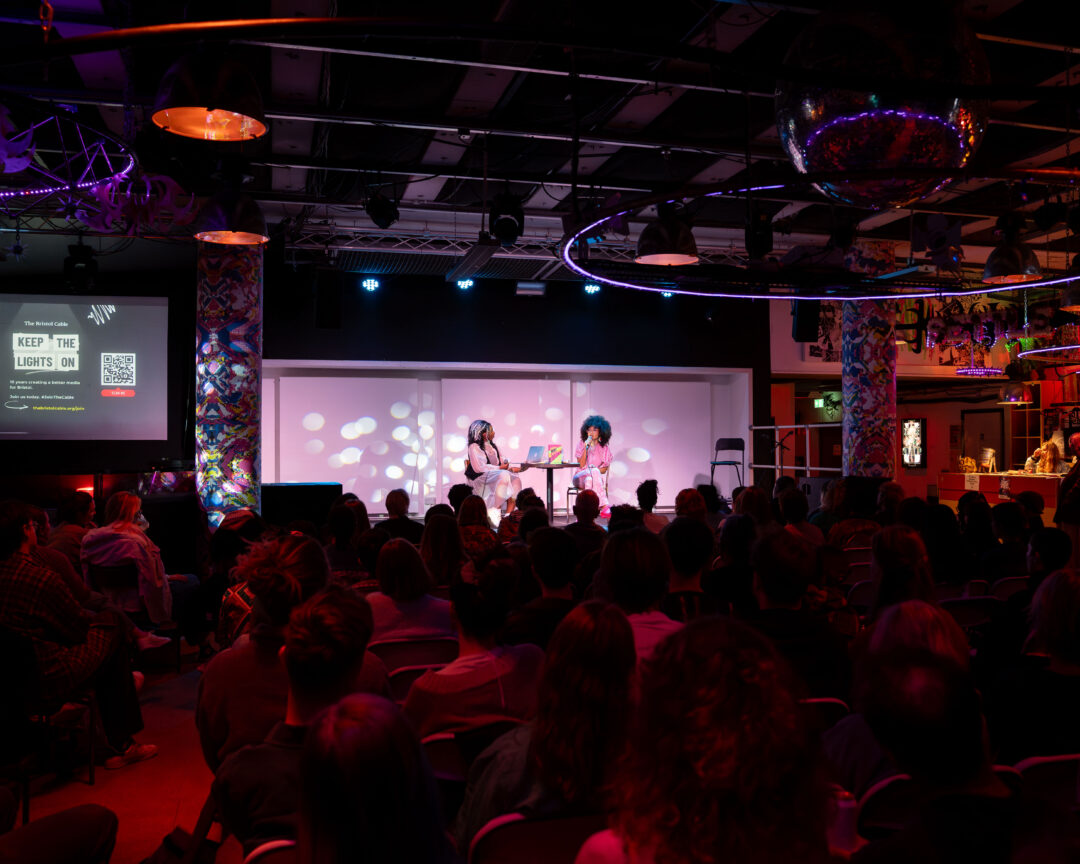
In June, climate activist Mikaela Loach came to Strange Brew in Bristol to talk about climate activism and social justice. The discussion in front of a sold out crowd, hosted by fellow activist Dominique Palmer, touched on her experience of the climate movement, the impact of the climate crisis that is happening right now and how we can avoid a future of eco-fascism.
In 2020, Forbes, Global Citizen and BBC Woman’s Hour named Mikaela as one of the most influential women in the UK climate movement. Her work focuses on the intersections of the climate crisis with oppressive systems and making the climate movement a more accessible space.
Mikaela spoke about her book It’s Not That Radical, which she wrote “as a way of processing climate grief” after a conversation with her Grandma in Jamaica, about childhood memories of a beach, which has now disappeared because of rising sea levels and hurricanes.
She reminds us that impact of the climate crisis is in the present not just the future, and that climate action can come in different forms in decades to come, ranging from a just transition to some sort of eco-fascism. Mikaela also talked about causing a stir at Shell’s AGM, which led to her being rushed by security after she asked a question on behalf of people living in the Niger Delta.
Comments
Related content



Listen: Bristol Unpacked, with Labour councillor Kirsty Tait on the Just Transition and how best to spend £20m in Hartcliffe
Neil asks Hartcliffe and Withywood representative Kirsty Tait about the government money the neighbourhood is getting – and about the importance of putting working-class voices at the centre of climate conversations.



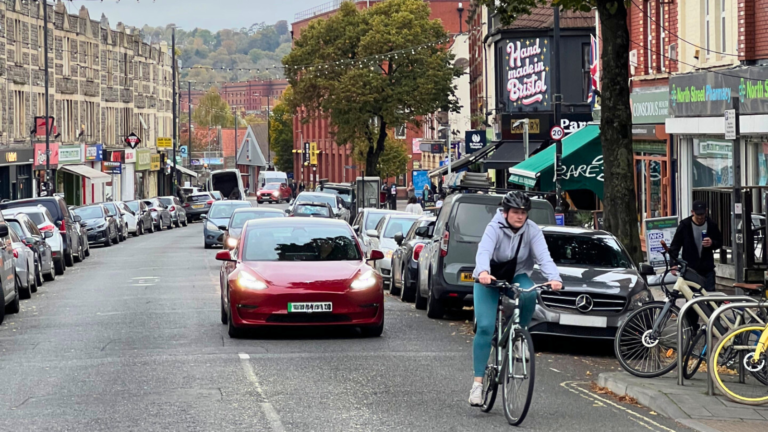
‘Liveable neighbourhoods’ have caused uproar in east Bristol. How will they fare south of the river?
The council has started consulting on making large areas of south Bristol friendlier to pedestrians and cyclists. What do residents want – and have lessons been learned about how to communicate with them?