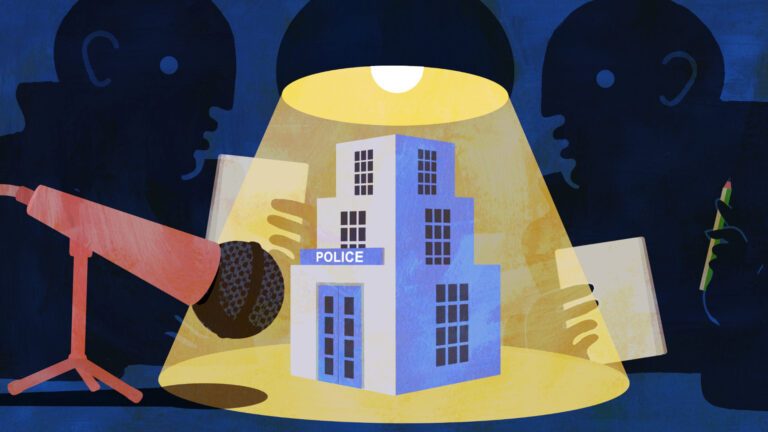
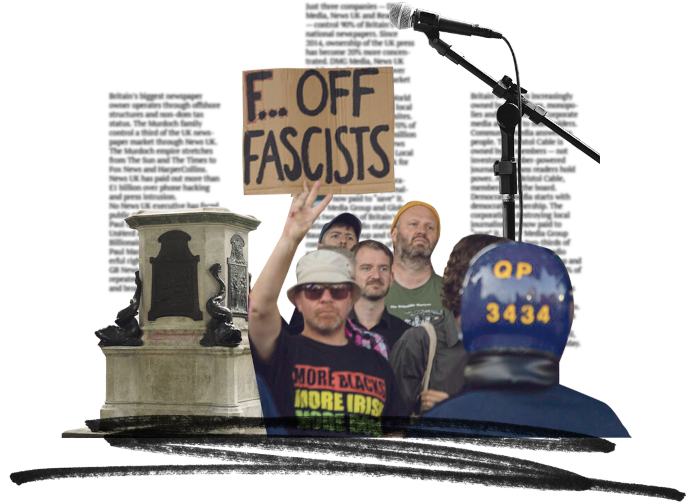
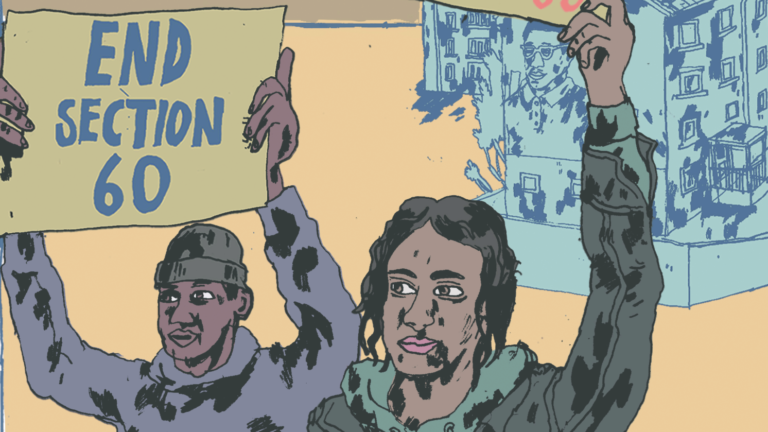
In February, Avon and Somerset Police made the decision to launch a stop and search operation using controversial powers known as ‘Section 60’. Data shows that when police make use of it, people of colour are targeted disproportionately at an even higher rate.
It’s a power that the service hadn’t used for years, but chief constable Sarah Crew and her stop and search lead felt it was appropriate on this occasion, based on intelligence given to them following the fatal stabbing of 16-year–old Darrian Williams in Easton.
As part of the operation, people of colour were targeted disproportionately, children as young as 10 were searched, and on top of that, no knives or weapons were recovered.
You might say this is proof that police using the power does more harm than good.
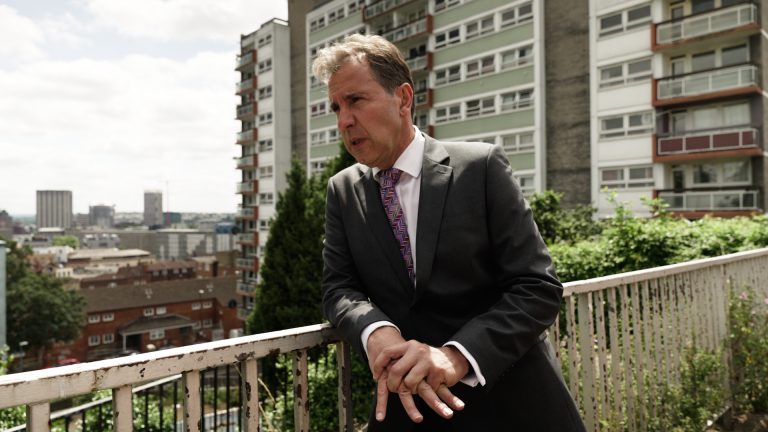
In this in-depth interview with the Cable, Crew explains that the controversial power was used with the consent of the communities it would impact. But what does that really mean, and how do those claims tally with Avon and Somerset’s promise to reform stop and search as part of their ‘Race Matters’ plan?
The Cable has joined other media across the city to campaign against knife violence in the city. Together for Change, we are working on a set of shared goals, which include holding power – namely Avon and Somerset Police and Bristol City Council – to account on plans to make Bristol safer.
Comments
Related content


Listen: The Debrief – what a leaked police report revealed about racial inequalities in stop-and-search
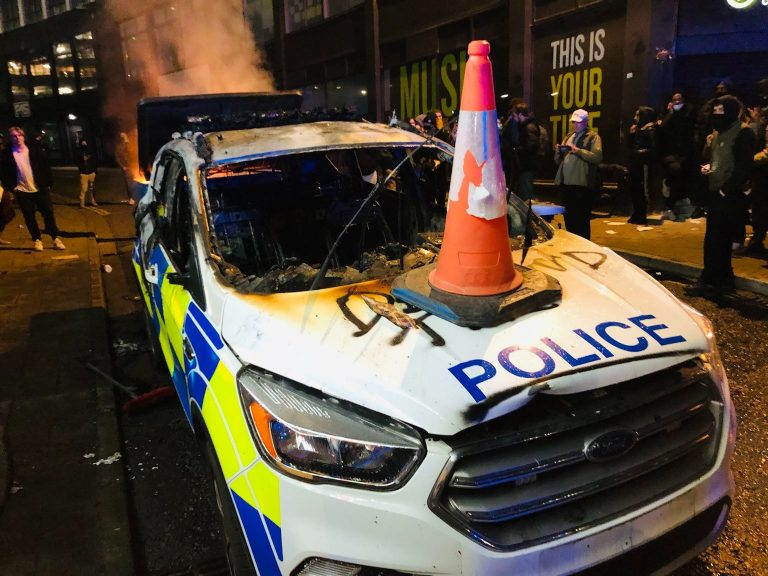
A report leaked to the Cable showed the shocking fact that Black people are 25 times likelier to be strip-searched than white peers. Sean Morrison and Priyanka Raval ask what the findings say about police institutional racism.