
Leigh McKenna is a Bristol youth worker who has seen firsthand the impact a controversial ‘suspicionless’ police stop-and-search operation had on Black and brown children and young people when it was carried out in February.
During the operation in central and east Bristol, carried out after 16-year-old Darrian Williams was stabbed in Easton, officers searched kids as young as 10 – and Avon and Somerset Police’s own data shows officers disproportionately targeted people of colour.
In this video, McKenna and others speak to the Cable about the damaging impact of the operation, enabled by Section 60 of the Criminal Justice and Public Order Act, and explain why it was not just racist, but ineffective.
This short video is part of the Cable’s campaign aimed at stopping Avon and Somerset Police from using Section 60 powers.
Read our reporter Sean Morrison’s in-depth story exposing the harmful and traumatic impact of suspicionless searches in Bristol, sign the petition, and write to your MP to say no to Section 60 here.
News You Own Can’t Be Bought
Three companies — DMG Media, News UK and Reach — now control 90% of UK national newspaper circulation. Elon Musk owns the platform shaping what billions see. And just two corporations control over half of Britain’s 882 local newspapers. Meanwhile, the far right is finding a megaphone in newsrooms that haven’t been held to account for decades.
This isn’t coincidence. This is what happens when journalism answers to its owners instead of its readers.
The Bristol Cable was built as the counter.
Comments
Related content
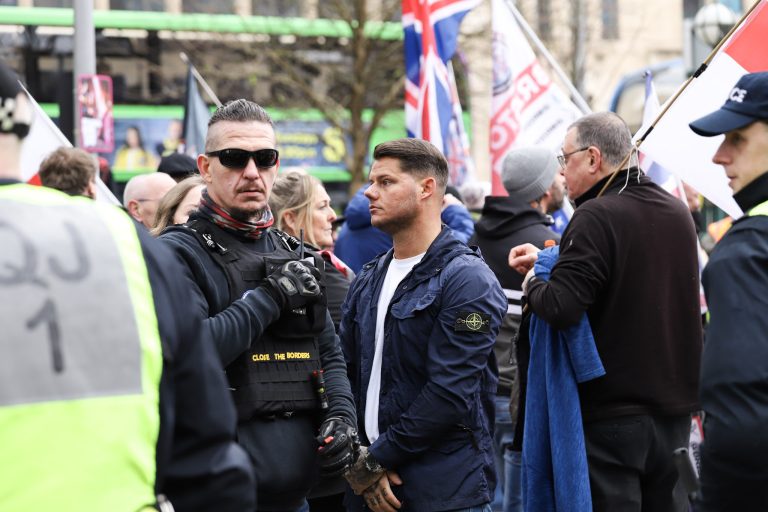
The rise and fall of Bristol Patriots
For almost a year, Bristol Patriots have led a campaign of harassment and intimidation in our city. But after last week’s hate-filled demo exposed their true colours, with out-and-out neo-Nazis, a child sex offender and bank robber in their ranks – is this finally the end for them?



Listen: Bristol Unpacked with Edson Burton – what is culture and who does it belong to?
As Bristol vies to be 2029 UK City of Culture, Neil sits down with, writer, performer and historian Edson to ask what culture means in the city and the UK, and whether we can find a common understanding to unite around



Hurt people, hurt people: The hidden lives of children behind bars
At 10 years old, England and Wales has one of the lowest ages of criminal responsibility in the world. Here we offer a glimpse into child incarceration, the school to prison pipeline and stalling youth justice system reforms. Starting here, on the outskirts of Bristol...