YOIs were established in the late 1980s to rehabilitate young people aged 15 and over who were given prison sentences. Campaigners have long said that they are no better than conventional adult prisons in preventing reoffending, and successive governments since have promised reform.
They have remained the most common place for young people in the justice system, however, while secure children’s homes, which are far smaller and more expensive to run, have faced decades of cuts. But in summer 2024, an alternative to YOIs was born in the shape of England’s first secure school: Oasis Restore in Rochester, Kent.
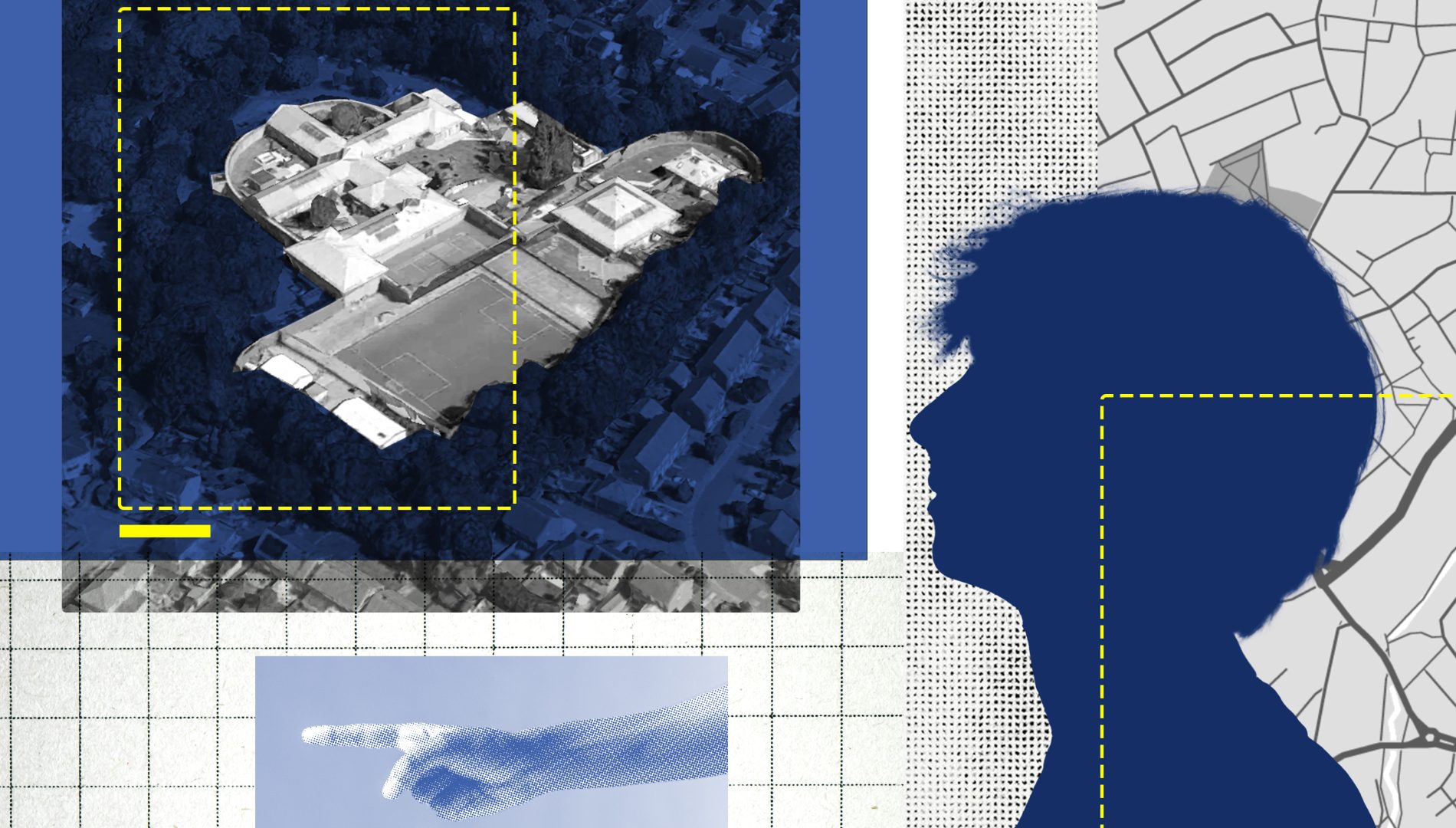
The school is on the site of the former Medway Secure Training Centre, a secure unit that was closed down in 2020 after a series of poor Ofsted inspection ratings, allegations of abuse and excessive force by staff. It was privately run by G4S until 2016, before being taken over by the Ministry of Justice.
Brought in to lead the ambitious project was Steve Chalke, CEO of Oasis, which runs 44 academy schools, one of the largest chains in the country. Chalke’s elevator pitch: enable children aged 12 to 18, who are on remand and sentenced to custody, to live their best lives through education, wellbeing and hope.
It’s a “revolution in youth justice,” Chalke says.
“It’s the environment: it’s the colours on the walls, the fact we’ve got bedrooms not cells, student flats, not wings, and youth workers, not guards,” Chalke tells the Cable. “There are no big steel doors that clang, and there are windows – not bars.”
Put simply, the new secure school is the same as a secure children’s home in terms of aesthetics and care provision. The difference is the size and the scale of the operation, with the government aiming for secure schools and secure children’s homes to replace YOIs and training centres in the longer term.
But there have already been setbacks.
Oasis Restore’s opening was delayed by almost five years, and ran over budget by tens of millions of pounds (from £4.9 million to £36.5 million).
It was temporarily closed down in August after Ofsted uncovered that doors at the facility were so damaged they couldn’t lock, and the children who were held there have been moved to other units around the country. The site is not expected to reopen until March 2026 at the earliest.
Despite the delays and the temporary closure, Chalke is adamant that the secure school model and a focus on providing a therapeutic avenue for young offenders can provide a viable alternative to YOIs.
He condemns policies and practices that are purely punitive, describing the government’s decision to roll out PAVA spray in YOIs as an “extraordinary” backwards step that’s “guaranteed” to erode trust between staff and young people inside. The same can be said, he tells me, of the use of body-worn cameras.
“ We rejected the idea of wearing them… why would anyone trust you in a conversation, tell you their innermost feelings and their pain and their agony if you are wearing a body camera,” he says.
“In my view, love is the only thing that ever changes [violent] behaviour. The violence, the aggression, the silence and unwillingness to engage. All of that is masking internal pain, anxiety, rejection. A therapeutic approach… is about listening to a young person so they feel seen and they feel heard.”
When asked, he refuses to acknowledge that Oasis Restore is a prison. “A young person [told me] he wakes up every morning and thanks God that he’s lucky enough to be here. He meant that he’s safe. Safe from the gang that owned him, that made him carry a knife and deliver drugs – that was his prison. This has set him free.”
Language is important. He didn’t like that I described the unit as a prison, nor that I described those who are held there as children – because some of them are in their late teens.
“They are not adults. However, they have left childhood behind. If you met some of them, calling them a child, that’s not the obvious description that anyone in everyday language would use, and actually it’s quite patronising.”
It goes both ways, though. Adultification – when a young person is perceived as more mature and less vulnerable – is widely considered to be a contributing factor to the overrepresentation of Black and minority ethnic children in particular in the criminal justice system.
This bias can lead to children being disproportionately subjected to punitive measures, such as being stopped and searched by police, and more likely to be prosecuted or excluded from school.