‘Dehumanising and humiliating’: Extreme heat behind bars

Illustration: Alex Dimond

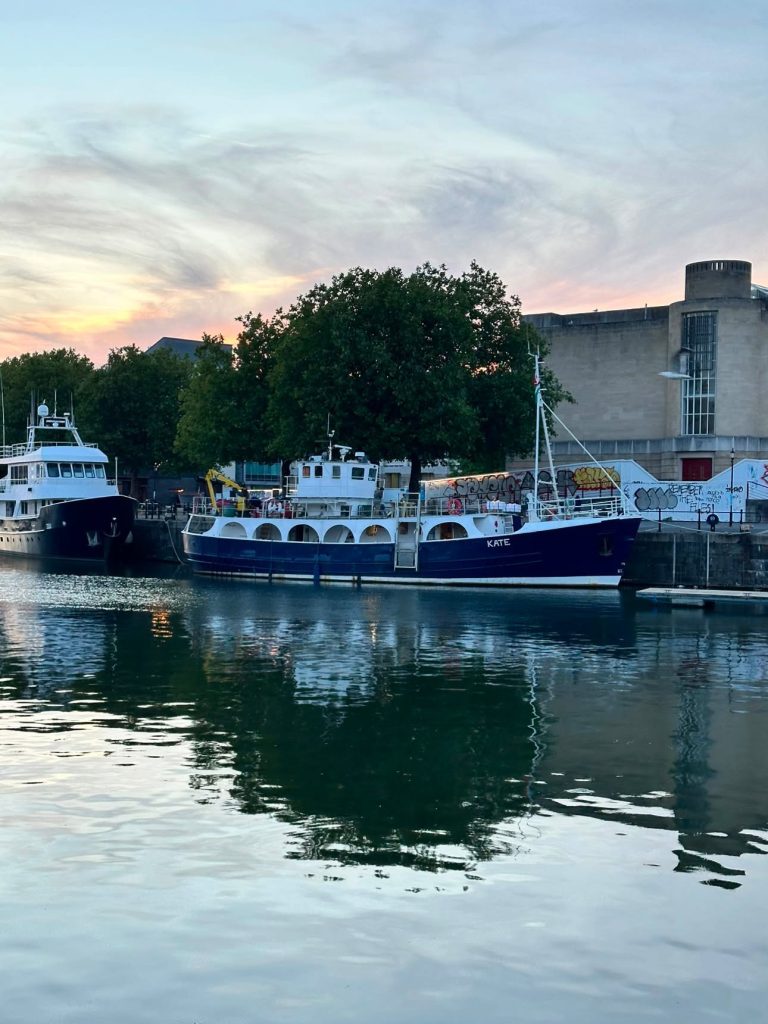
Ryan Dwyer has been incarcerated in several UK prisons, including HMP Bristol. He recalls how cell windows were sealed to prevent drones from smuggling contraband into prisons, making cells that were already poorly ventilated even hotter.
That prisons are ill-equipped to cope with extreme heat is well documented. The UK government recognises that imprisoned people are particularly vulnerable to extreme heat due to overcrowding, poor ventilation in aging buildings and a lack of active cooling systems.

Incarcerated people can be locked in their cells for up to 23 hours a day, with few measures in place to prevent dehydration. Ryan, who served a four-year sentence for his role in the 2021 Bristol “Kill the Bill” protests against what’s now the Police, Crime, Sentencing and Courts Act, says the heat in HMP Bristol was “unbearable”.
“I often felt like I couldn’t breathe,” he says of the Victorian-era jail. HMP Bristol is among more than three quarters of Ministry of Justice-run prisons at risk of overheating in summer. Bristol and other prisons in the South West and Wales are also at a heightened risk of flooding as a result of heavier winter rains caused by climate change.
Ventilation comes through small grilles that can barely be opened and are often broken or blocked. “They’re stopping the drugs coming through but at the same time they are sacrificing people’s health. It’s barbaric,” Ryan tells the Cable
While the Prison Service is trying to reassure the public that it has ‘Heatwave Guidance’ plans in place, prisoners interviewed by the Cable tell a different story. One of a prison regime that cuts corners rather than providing what prisoners need during heatwaves, and understaffed wings where officers cannot even open cell doors due to chronic understaffing.
Sacrificing people’s health
Prison authorities giving out fans during a heatwave is about as likely as providing a swimming pool
Toby Shone
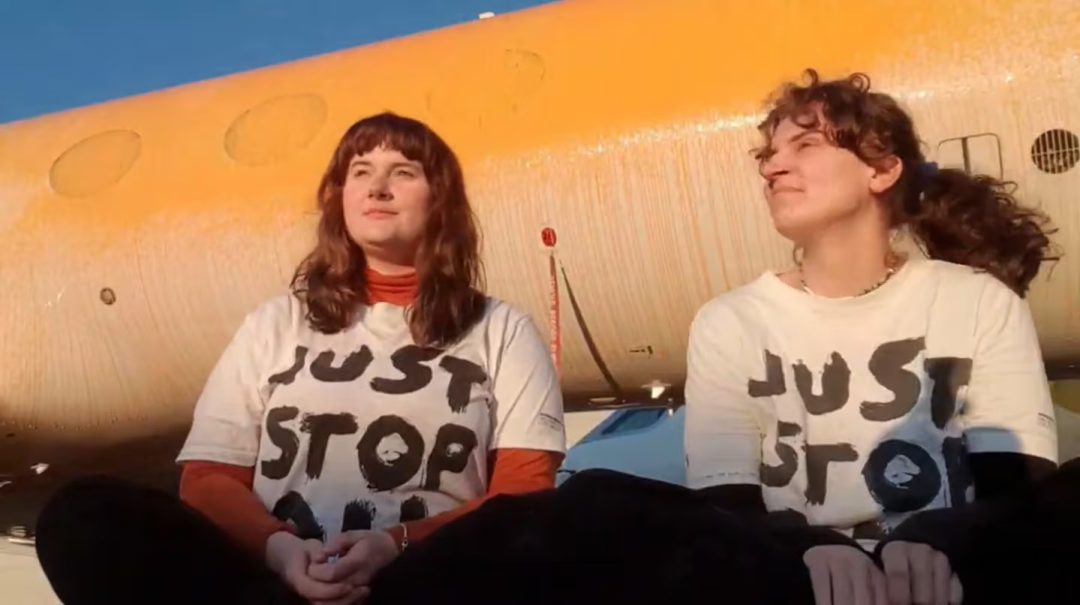
Even recently renovated prisons don’t seem prepared. Cole Macdonald, from Brighton, was remanded last year after spray-painting two private jets at Stansted Airport as part of the Just Stop Oil campaign.
She told the Cable that incarcerated people kept in the new houseblock at Sodexo-run HMP Peterborough spent June 2024 struggling with the heat while locked up 23 hours a day. Cells had no curtains, so prisoners improvised with prison-provided fabric wedged under the window fitting using packs of prison-issue tampons.
Cole said inmates sat in their cells in their underwear to stay cool. The prison provided no bras or clothing suitable for high temperatures: “They only provided us with track suits and two dark grey T-shirts that were quite thick. You either had to wear tracksuit trousers in like 30 degree heat and no ventilation, or just be completely naked and have no privacy… [it was] dehumanising and humiliating.”
Cole worried about a friend whose cell on the opposite wing was exposed to direct morning sunlight. She said her friend looked physically unwell and felt sick from the heat and humidity.
Prisoners working outside were also not allowed hats or provided with sunscreen, she added.
Exploitative environment
I spoke to Toby Shone, who was initially arrested on terrorist charges and eventually served a sentence of three years and nine months in HMP Bristol, Wandsworth, Belmarsh and Garth for possession of psychedelics with intent to supply.
Prison authorities giving out fans during heatwaves is about as likely as providing prisoners with a swimming pool, Toby tells me. The only way prisoners can get hold of fans is by buying them through expensive, prison-approved catalogues.
The Ministry of Justice confirmed that fans were available for purchase as part of its extreme-heat contingency plans, but Toby says putting the cost of staying cool onto families and prisoners is “profiteering” and part of an “exploitative environment,”
He said people can wait up to three months for items bought from the prison shop.
This year, the Prison Service has provided fans in communal areas at some prisons. But support group Prisoners for Palestine reported that HMP Foston Hall in Derbyshire had only a few fans per wing. At London’s HMP Bronzefield, fans were eventually provided in some cells, several days into July’s heatwave.
Worsening crisis
Toby also recalls the blocked ventilation grilles at HMP Bristol, which made cells even more stifling. “The summers in British prisons are unbearable. Staff absences and holidays mean education, gym, socialisation all get cut,” he says, adding this all contributes to the mental health crisis in prisons.
Toby says one unit at HMP Bristol has no running water or toilets in men’s cells. Prisoners have to buzz officers for water or to use the toilet, forcing some to pour their urine and excrement out of the grilles in their windows.
“It’s stained the prison walls over the years and in the hot weather it stinks. I used to go out on the exercise yard and you could see one side of the building just covered in it.”
A Prison and Probation Service spokesperson told the Cable: “Prisons have measures in place to protect staff and prisoners during hot weather, and drinking water is readily available at all times.”
But this doesn’t chime with Ryan and Toby’s experiences. Ryan says he struggled to stay hydrated at Kent’s HMP Cookham Wood, where tap water was not portable and bottled water was often in short supply. An August 2026 report from HM Inspectorate of Prison admits many prisoners still don’t have access to drinking water in their cells.
The Prison Service published guidance this year stating: “prisons should actively prepare for summer months by creating hot weather plans based on local risk assessments.”
Officers are supposed to identify vulnerable prisoners, carry out welfare checks and monitor indoor temperatures, consulting a manager if there are concerns. Actions should then be taken according to a yellow, amber or red alert system based on Met Office rankings.
We asked the MoJ whether HMP Bristol and Eastwood Park had specific action plans in place. They declined to comment.
An international issue
Overheating in prisons is an international issue. There has been reporting on an overheating crisis in jails across France, Italy and Belgium. In July, a coalition of Italian activists staged simultaneous visits to 34 prisons in protest against worsening conditions during heatwaves.
In the US, several courts have ruled that keeping people in these conditions amounts to “cruel and unusual punishment”. At the time of writing, news had emerged that at least 23 prisoners had died in Tunisia due to extreme heat.
The outlook for UK prisons as the climate warms is bleak. Some 79% of the MoJ’s prisons and Young Offender Institutions are at ‘High’ or ‘Very High’ risk of overheating during the summer months. This picture is projected to worsen, with 100% of MoJ-run prisons projected to experience summer overheating by 2040.
Cole, a prison abolitionist, thinks that new safeguards are necessary but won’t solve the problem. “I don’t think anyone deserves to live in a climate like that,” she said. “I think the entire system is unfit, unsafe and inhumane for anyone.”
Independent. Investigative. Indispensable.
Investigative journalism strengthens democracy – it’s a necessity, not a luxury.
The Cable is Bristol’s independent, investigative newsroom. Owned and steered by more than 2,600 members, we produce award-winning journalism that digs deep into what’s happening in Bristol.
We are on a mission to become sustainable, and to do that we need more members. Will you help us get there?
Join the Cable today