If you terrorise children, we have nothing in common
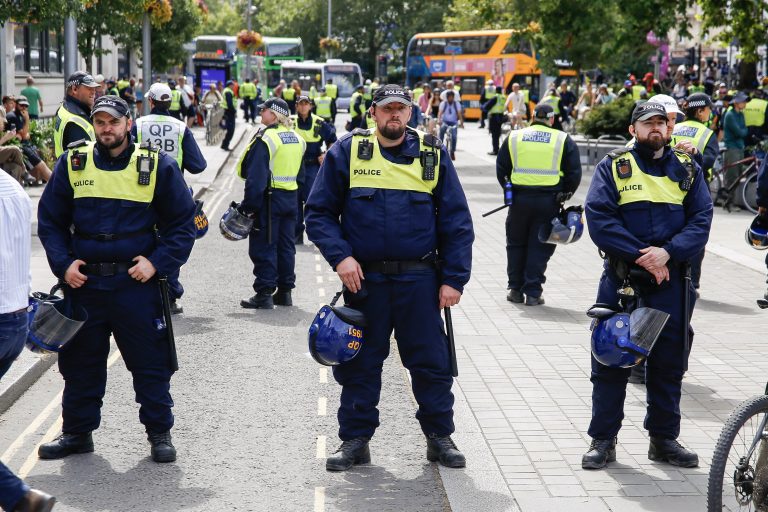
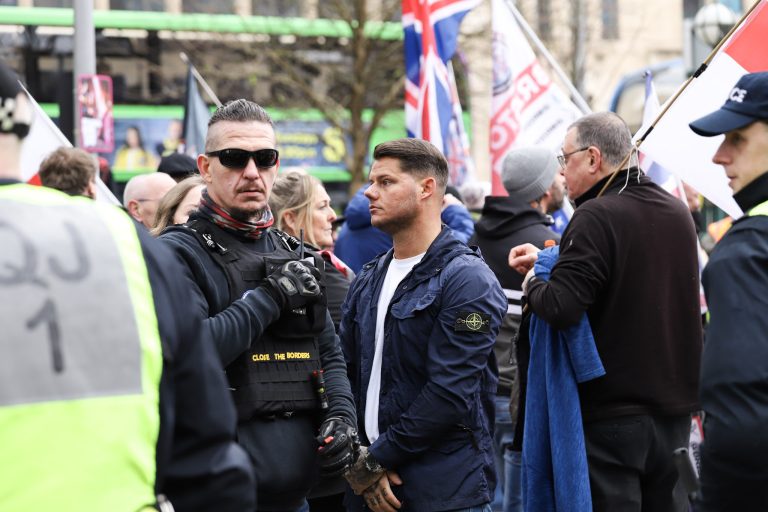
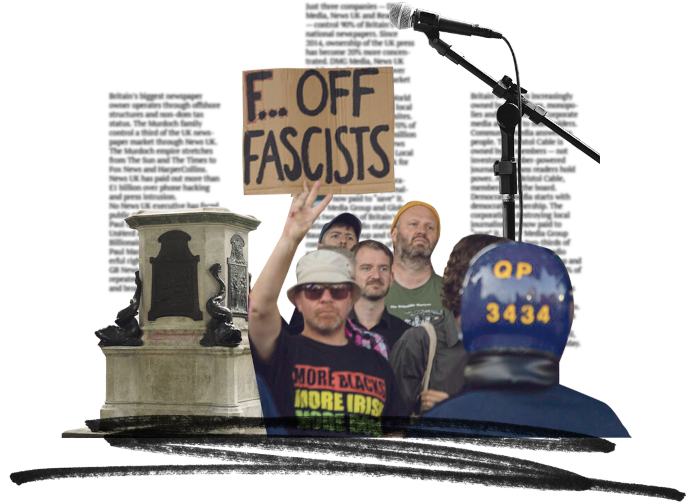
Two weekends ago, Bristol Patriots joined forces with their dearest pals, UKIP and Britain First, to stand outside the Mercure hotel in Redcliffe and harass people seeking asylum, who just happen to be living there currently. Those people have nowhere else to go. They did not choose this. They’re not racking up endless room service bills by ordering lobster and champagne. They don’t even feel like they can leave, because outside there are people screaming at them that they’re not welcome here.
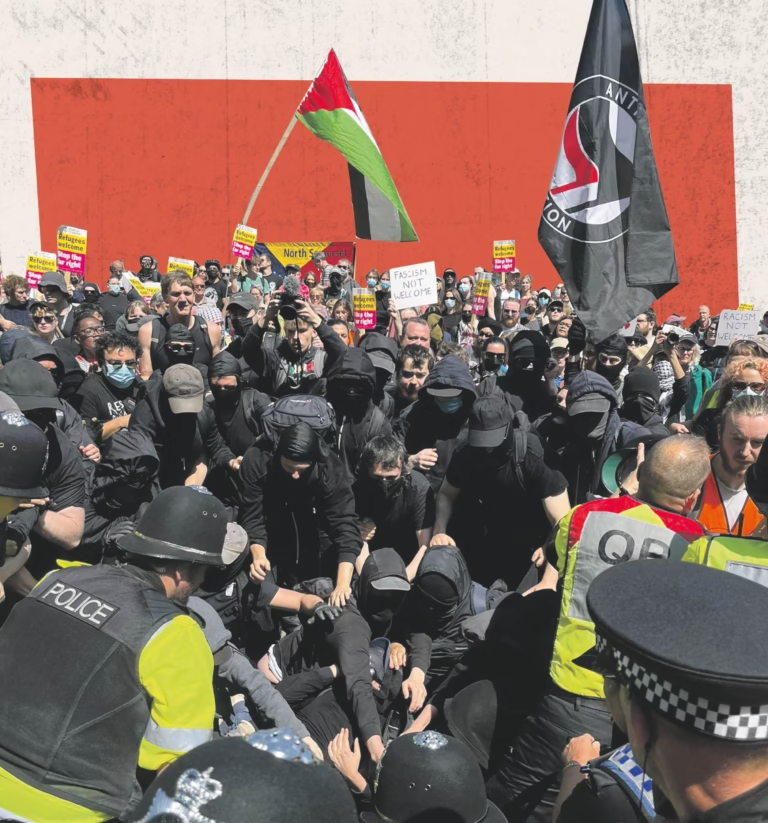
It was the sixth of these protests since May. Just like at the preceding ones, the antifascists who gathered outside the hotel in solidarity with those inside outnumbered the so-called patriots by at least four to one. Every now and then, children would appear in windows to peer down at the carnage below. I can only presume they were terrified by what they saw. One child held up a sign that thanked the counter-protestors for protecting them. A bunch of people had got together earlier that week to gather toys, books, colouring pens, crayons and paper for these kids so they had something to do while this nonsense went on.
But, and it pains me to say this, this column is not about them. It’s about the men who, when children appeared in the window, all stuck their middle fingers up at them, made wanker gestures, two fingers up, jeering. At children.
Perhaps I’m supposed to reach across the aisle and ask why they’re so angry. What their ‘legitimate concerns’ are, with children. What they did wrong, and by they, I mean… children. (Aside: I don’t think these actions would be justified if it was men and women in the windows. I know you know this. I just have to clarify this because the men I’m talking to/about, they love some fucking whataboutery).
I cannot understand what possesses a man to hurl abuse at a terrified child looking out onto the streets of the country they fled to for safety. I refuse to understand it. There comes a point where if I reach across this aisle, to try and understand and placate, I’ll be reaching so far to my right, I’ll fall into the aisle. I mean, I’ll probably break my fall on a Labour MP heyyyooooooo. But the point I’m trying to make is, I’m done. I have no interest in trying to talk to these people. What’s the point?
Okay, here’s something you should know: I did try and talk to one of these people. I saw a man sticking his fingers up at a child in a window and I approached him as he stepped out of his particular controlled zone to go into a pub. I asked him why he had flipped the bird at a kid. He got angry with me because apparently I didn’t understand. Everyone in the hotel had iPhone 17s and were being treated better than him. He wanted to stay in a hotel too, he told me.
I asked him if he thought they had a choice, if they might have preferred to be anywhere else, like their own home. I then asked for evidence, citation needed, about the iPhone 17s. He didn’t have any, and proceeded to shove past me into the pub. I left him to it, but the encounter left me cold. It didn’t feel like enough. Sometimes I just want the honesty of being told that foreigners aren’t welcome in Britain. It’s shit, it’s racist and horrific, but at least it’s not some made-up nonsense about iPhones.
I’ve been on a journey this year. I started it off thinking I wanted to understand the hatred, that perhaps I could come up with a counter-narrative pointing towards common ground we can stand on to fight our common enemy. I’ve ended it thinking we have nothing in common.
I used to think that, as writers, it’s our job to hold up a mirror to reality and through the reflection, come up with compelling messages to move us forward together. That’s the wonderful thing about fiction: good fiction is knotty and messy and we recognise ourselves through our differences with others. In most movies, a villain will remind a hero — we’re not so different, you and I. Good writing can perhaps change the world. But then I have to remind myself of what my friend, Musa Okwonga, has repeatedly told me. He will constantly ask, who is this for? It’s a good question. When I’m writing to reach across the aisle, who is it for?
So those of you at the protest, hatred and violence in your eyes, no qualms about terrorising families who have been displaced, with children under five witnessing it all, I have nothing in common with you. I do not understand you. We do not walk the same streets. You went through a portal at that protest, perhaps so did I, and there is no coming back from it. I will challenge you with every fibre of my being, because society deserves better than you as its saviours. You disgust me.
Independent. Investigative. Indispensable.
Investigative journalism strengthens democracy – it’s a necessity, not a luxury.
The Cable is Bristol’s independent, investigative newsroom. Owned and steered by more than 2,600 members, we produce award-winning journalism that digs deep into what’s happening in Bristol.
We are on a mission to become sustainable, and to do that we need more members. Will you help us get there?
Join the Cable today