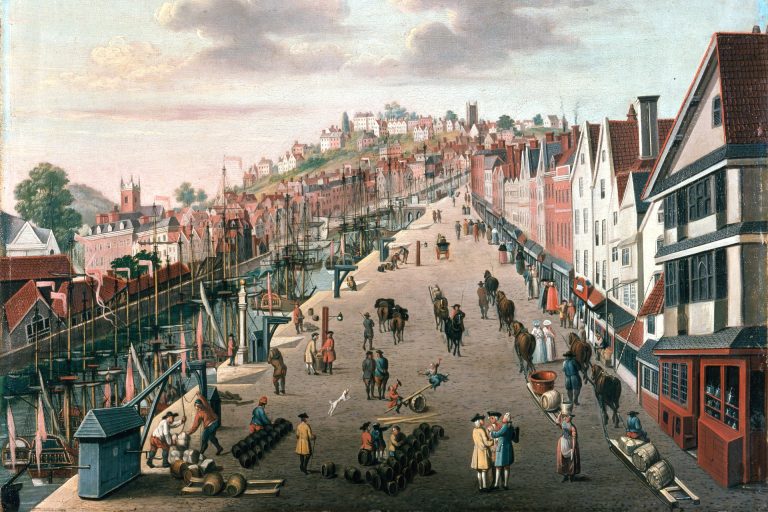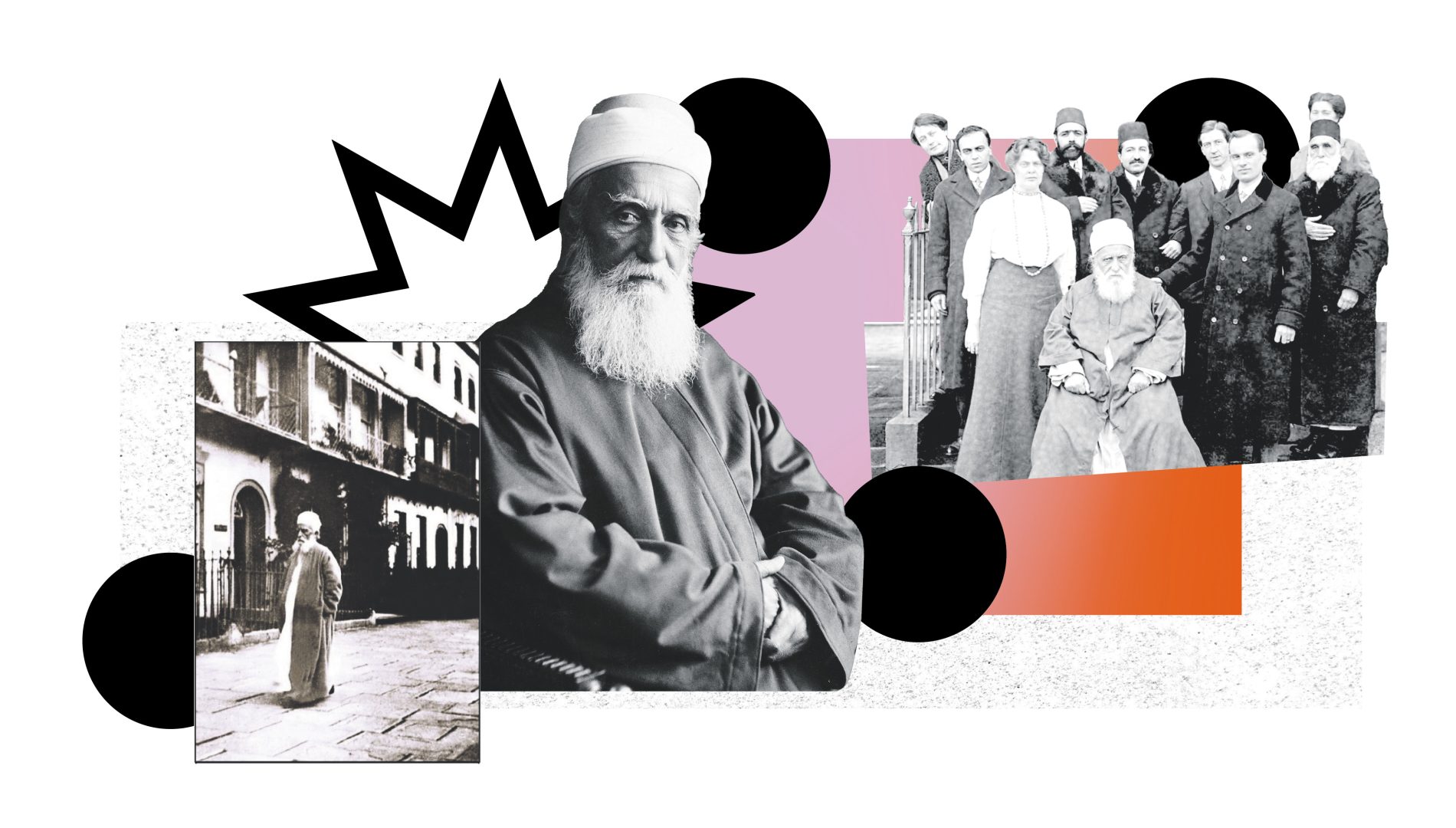
Abdul Baha liked Bristol so much that he visited twice. On both occasions, he stayed at 17 Royal York Crescent in Clifton.
He was the son of Bahá’u’lláh, the founder of the Bahá’í faith — a religion built on the principle of unity between peoples and religions.
The Bahá’í faith now has over eight million followers worldwide, and around 5,000 in England and Wales.
Founded in nineteenth-century Persia, it had, by the early twentieth century, travelled far, reaching South Carolina, Baghdad… and Bristol.
After his father’s death, Abdul Baha became the leader of the faith. Exiled by the Persian government and later imprisoned by the Ottoman authorities, he spent much of his life in exile before, in his sixties, beginning a series of international journeys to spread Bahá’í teachings.
He travelled to Egypt, Switzerland and Great Britain, and later toured the United States. Along the way he met figures including poet Khalil Gibran, activist Annie Besant, and members of the suffragette movement.
In Bristol, that journey centred on No.17 Royal York Crescent, now a place of pilgrimage for Bahá’ís.
An unlikely friendship
On his first visit, Abdul Baha strolled on the Clifton Downs, ate breakfast with a Canon of the Anglican Church and held an audience of around 80 people.
On both occasions, he stayed at 17 Royal York Crescent in Clifton, a guest house owned by his friend and follower of the Bahá’í movement, Wellesley Tudor Pole. He blessed the house, wanting it to become a place of rest for pilgrims from the East and West — a meeting point of diverse cultures.
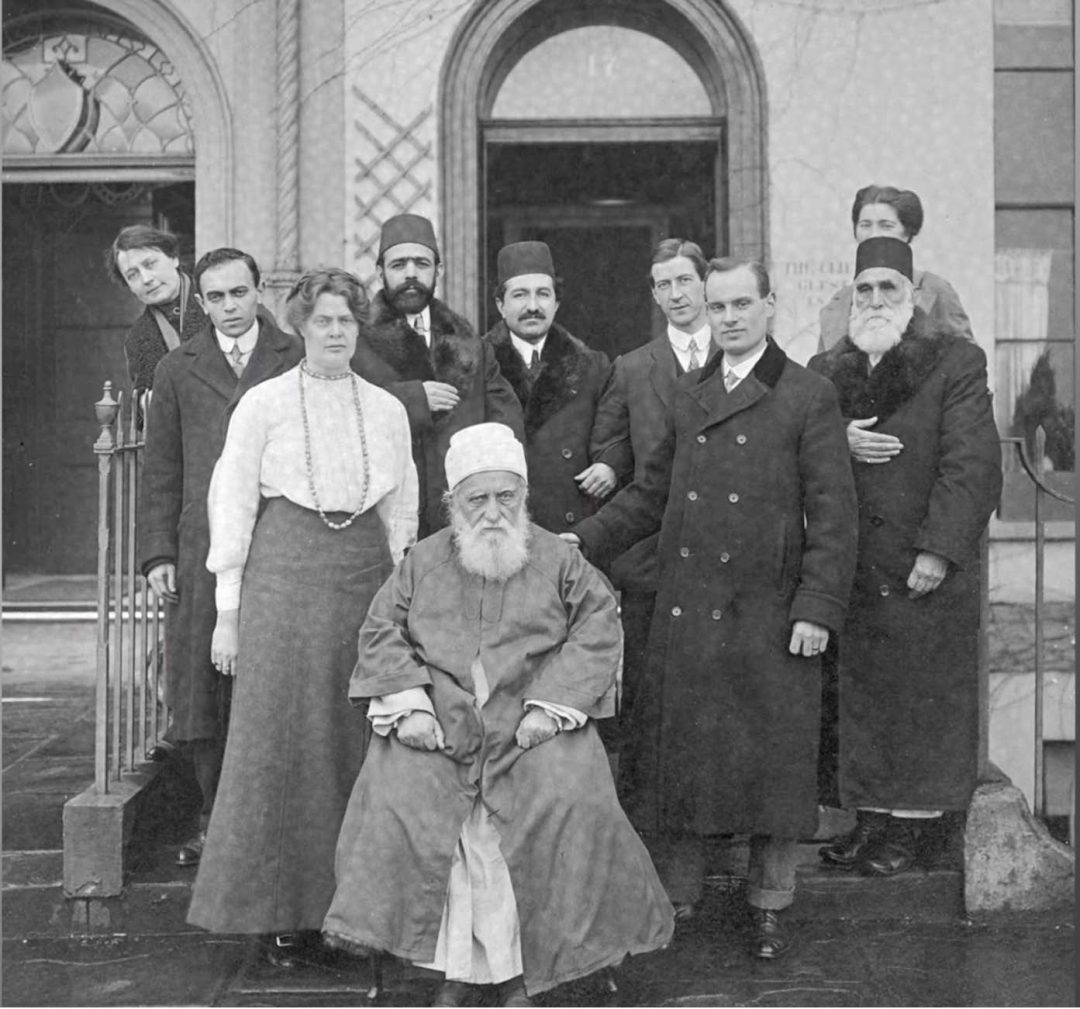
Tudor Pole was a character in himself: a Celtic Revivalist, psychic, spiritualist, and President of the Bristol Vegetarian Society. In 1911, speaking on behalf of Abdul Baha at the Universal Races Congress in London, he called for unity between racial groups.
He was not alone in his interest in the Bahá’í faith. Abdul Baha travelled with a wider network of British followers, including poet Alice Buckton, later a key figure in establishing Glastonbury as a site of pilgrimage.
‘The destroyers of human society’
In 1913, Abdul Baha returned to Bristol with the Persian ambassador Dúst-Muhammad Khán, and addressed over 100 visitors at the Clifton guest house. His audience included Egyptian students, local Bristolians and Bahá’ís from across the world. He spoke in Persian, with an English translator present.
He spoke of the equality of the sexes, arguing there was nothing innately different between men and women, using the metaphor of humanity as two wings of a bird. Those who were more compassionate, he said, were closer to God.
He also spoke of the oneness of the human race — a core Bahá’í teaching — and called for an international parliament to resolve global conflict, seven years before the League of Nations and over 30 years before the United Nations.
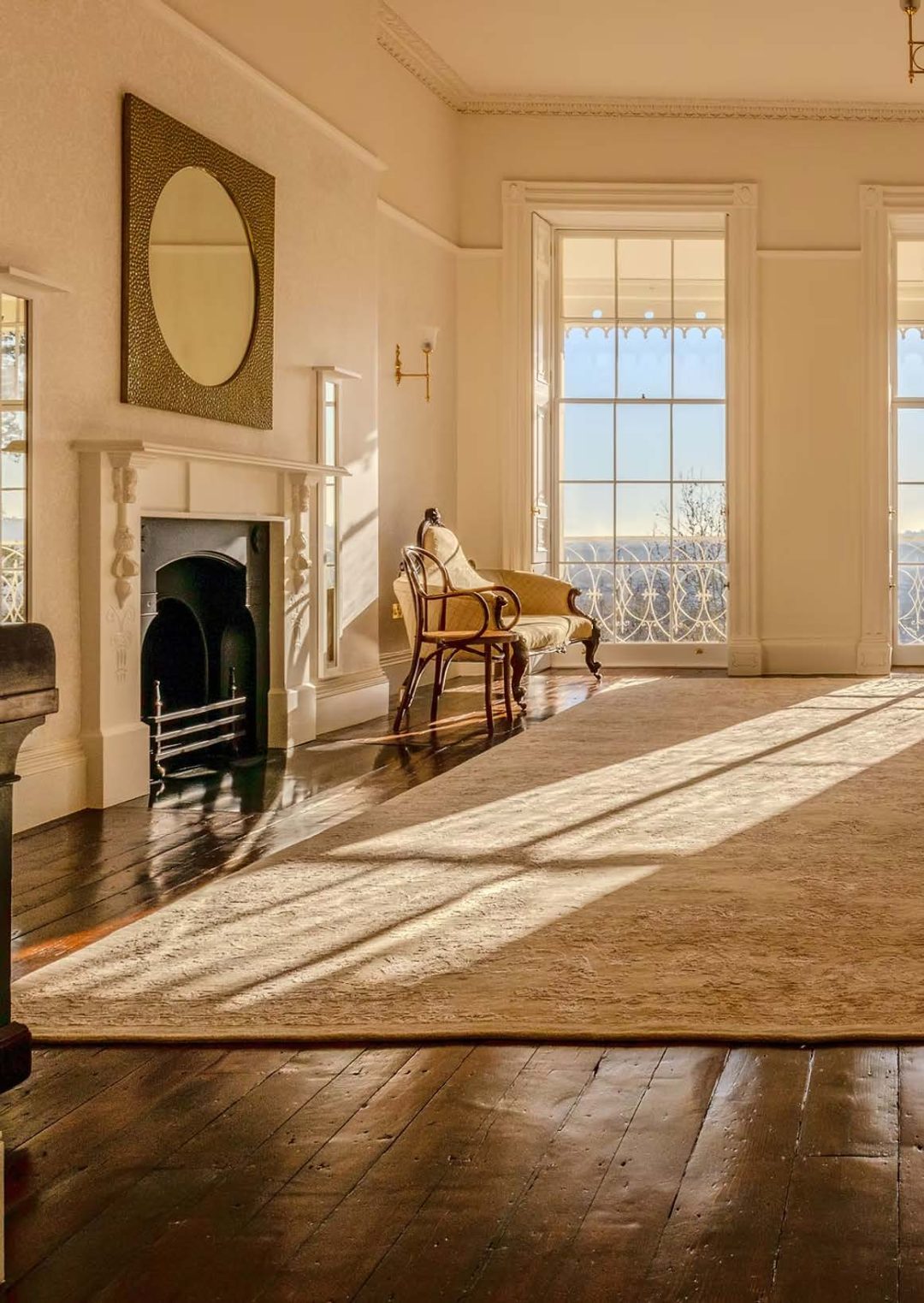
From the drawing room of No.17, he urged the independent investigation of truth, arguing that religion must conform to science and reason. In the Bahá’í faith, science and religion are seen as complementary realities — when religion contradicts science, it becomes superstition.
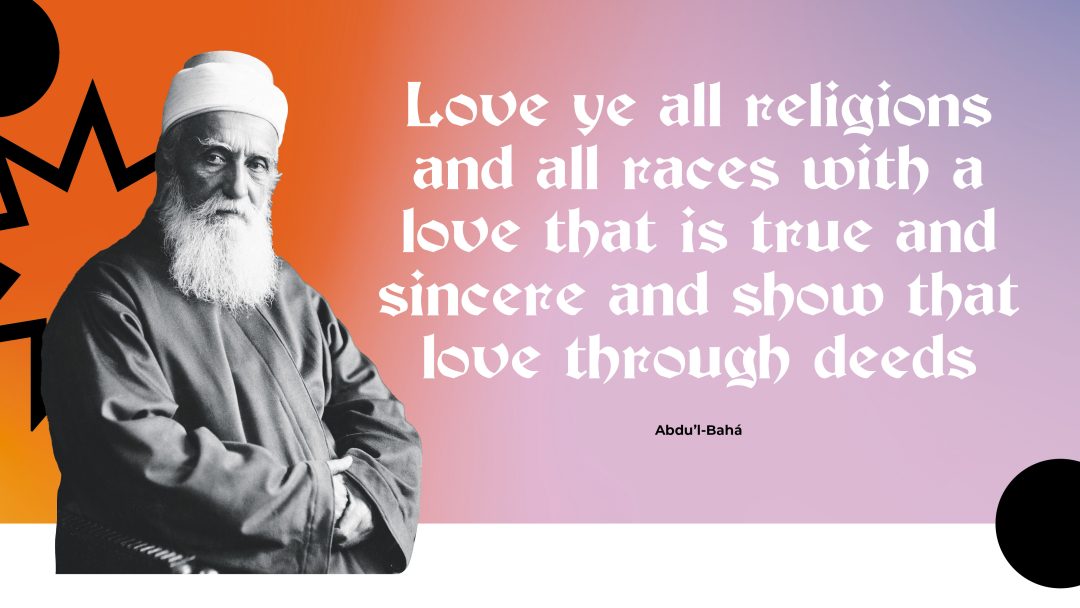
According to records, he said: “religious, racial, political and patriotic prejudice are the destroyers of human society”.
He asked: “What has man made of religion? He has made it the cause of bloodshed and strife; enmity and hatred…”
He was also outspoken in his anti-war beliefs, denouncing industrial weapons manufacturers — speaking of the “horror of a Krupp gun, the Mauser rifle or a shrapnel shell that kills a whole camp”.
His words proved hauntingly accurate. In the following decades, Krupp Steelworks would go on to supply weaponry to the Nazi regime, using forced labour from prisoners of war and concentration camps.
In 2014, the National Spiritual Assembly of the Bahá’ís of the United Kingdom bought part of the original guest house. They restored it to reflect how it would have looked when Abdul Baha visited, and today the apartment at No.17 York Crescent is a site of pilgrimage for followers of the Bahá’í faith.
But not everything could be restored. The view from the windows where Abdul Baha once stood, speaking of international peace, was — only a few decades after his visit — destroyed in the Blitz.
Being Bahá’í today
Ghodratollah grew up in Iran, where he was raised in the Bahá’í faith. At 15, he told his father he didn’t believe in God. His father was supportive, he told me, and said: “You are encouraged to see with your own eyes, not with the eyes of others.”
He read Bahá’í writings alongside other scriptures, eventually returning to the faith. “It means that if I’m questioned, I can properly answer,” he says.
The principle of independent investigation of truth sits at the heart of Bahá’í teaching.
Ghodratollah says his faith is without clergy or hierarchy. “Our capacity is to serve,” he says. “We are all Bahá’ís — there are no figures. We don’t want anyone to get big-headed.”
Bahá’ís continue to face persecution in Iran. He remembers growing up with that reality: “A child threw stones at me… some would wait at the school gates to attack them.”
After leaving Iran, he came to the UK and eventually settled in Bristol, where he found an established community of fellow believers at No.17 York Crescent.
Today, the Bahá’í community in Bristol works through the Bristol Multi Faith Forum, runs youth and interfaith projects, and gathers at the Bahá’í Centre on Lawrence Hill.
In a city shaped by many migrations and many faiths, is unity essential?
“If we don’t,” he says, “we have failed ourselves.”
Independent. Investigative. Indispensable.
Investigative journalism strengthens democracy – it’s a necessity, not a luxury.
The Cable is Bristol’s independent, investigative newsroom. Owned and steered by more than 2,600 members, we produce award-winning journalism that digs deep into what’s happening in Bristol.
We are on a mission to become sustainable, and to do that we need more members. Will you help us get there?
Join the Cable today