Listen: People Just Do Something Live, with ex-Tribune editor Taj Ali on class, left politics and finding hope in the heart of Luton




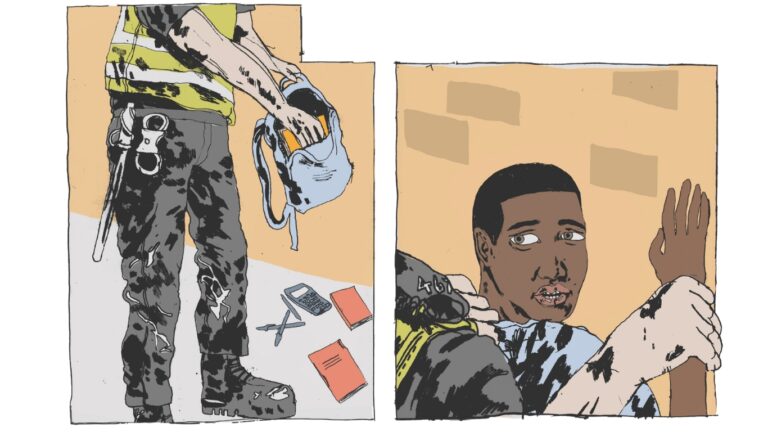
“It was exhausting, I barely slept. I was getting so many messages from people reporting racist hate crimes, but also there was a lot of misinformation,” says Taj Ali, recalling his experience as a Muslim British-Pakistani journalist during the racist riots in the UK last summer.
“My inbox was a mix of death threats and messages about hate crime… People who were saying things like ‘immigration’s out of control, I think this grooming gang stuff has been covered up, but I don’t support Mosques being attacked or graves being desecrated.’”
Taj wanted to talk to these people. But that in the moment — as racist, xenophobic violence was sweeping cities and towns across the country, hotels housing asylum seekers and faith spaces being targeted — it wasn’t the time.
“I was just thinking, I’d love to chat, but right now, we’re just trying to stay safe. But there are these people who have these grievances and have anger. And they’re not dyed-in-the-wool fascists… if you just call the side you disagree with a bunch of names, that’s not going to change things.”
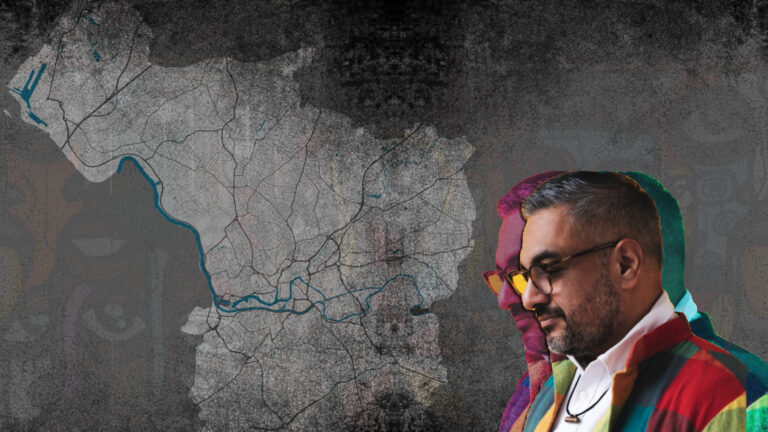
As a journalist, historian and former editor of Tribune magazine, Taj is a prominent voice on workers’ rights, class and politics. In April, he joined the Cable as a guest on our People Just Do Something podcast, to talk about last year’s riots, the growing gap between left politics and working-class voters, and what effective organising looks like today.
Why it’s not about identity politics
“I know it sounds a bit cliche… but it’s really about redirecting your anger at the right place,” says Taj, when asked how the left can respond to growing support for Reform UK and Labour’s hardening stance on immigration under Keir Starmer.
On the podcast, he recalls meeting a man in south-east London who blamed the Somali community for the lack of affordable housing, after his mother had been priced out.
“I just had to stop myself and think it through,” says Taj. “And I asked him: do you think those Somalis in those social housing estates have it easy? Would you live there? And he was like, ‘no, it’s a shithole.’
“I understood he had a grievance around the housing crisis. He’s getting ripped off by his landlord. He’s really angry about that… But he’s not bothered to talk to the Somalis in social housing.
“We need to connect the dots,” says Taj. “If you said to a person, ‘I am going to introduce policies that will lower your water bills, energy bills, make sure you can afford rent, and it’s not going to be anything to do with immigration,’ they would support it… We have to move the debate onto that terrain because that’s where we are strongest.
“If we keep talking about the cultural stuff, making it about identity politics… I think we’re going to lose. We have to be able to build a broad coalition and that’s not easy… We aren’t going to agree on everything, but if we can try and focus on the bread and butter issues that unite us, I think it’s possible.”
Lessons from Luton
Following the riots, Taj travelled the country hosting public talks. But, he says, “Often it felt like I’m preaching to the converted.”
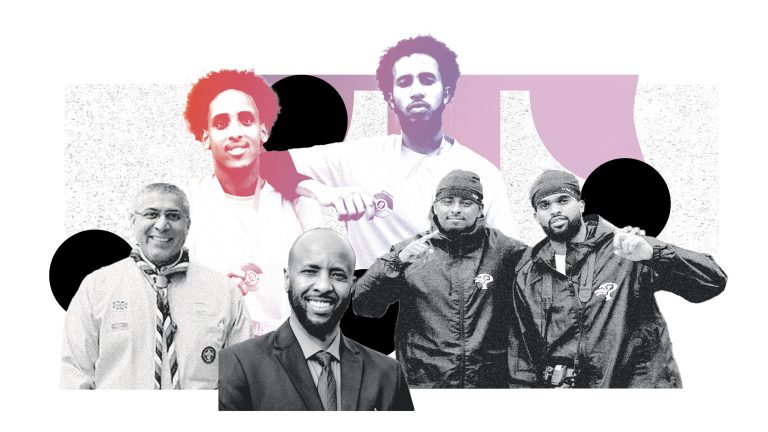
“The young people, in areas impacted by the riots, some of the young Muslims were just so disengaged. We’ve got to figure out a way to change that… and the priority has to be actively trying to speak to people we’ve never spoken to before.”
“What’s more effective? Me organising in my community, talking to young people, giving them things to do and helping out, or me preaching to the converted and getting a pat on the shoulder from left wingers?”
He points to what he saw growing up in Marsh Farm, a council estate in Luton. After riots there in the 90s, the Exodus Collective – a group of local organisers – occupied a disused farm and turned it into a community project, hosting raves that drew thousands.
“[The collective] became politicised through sound system culture… and they’ve done fantastic work, using a Brazilian model of community organising called the organisational workshop,” says Taj. “The idea is that you give unemployed people the tools and resources to improve the area, you make them feel like they are contributing to change, and they feel a sense of empowerment.”
“I think if we never had that there, who knows how people [there] would vote or how they would think,” says Taj, pointing out that the area – where controversial social media influencer Andrew Tate is from – was once seen as the worst place in Luton.
“But it was because people took the initiative. It started with a few of them and it worked. People liked it.”
Subscribe to The Bristol Cable on Spotify, Apple Podcasts or wherever you get your audio. And check out our other shows.