Across the UK, the Muslim population is getting younger. The Muslim Council of Britain estimates that by 2031 there will be around 552,000 Muslim teenagers in Britain — a demographic that will play a growing role in shaping the country’s cities, schools and civic life.
In Bristol, that future is already being built.
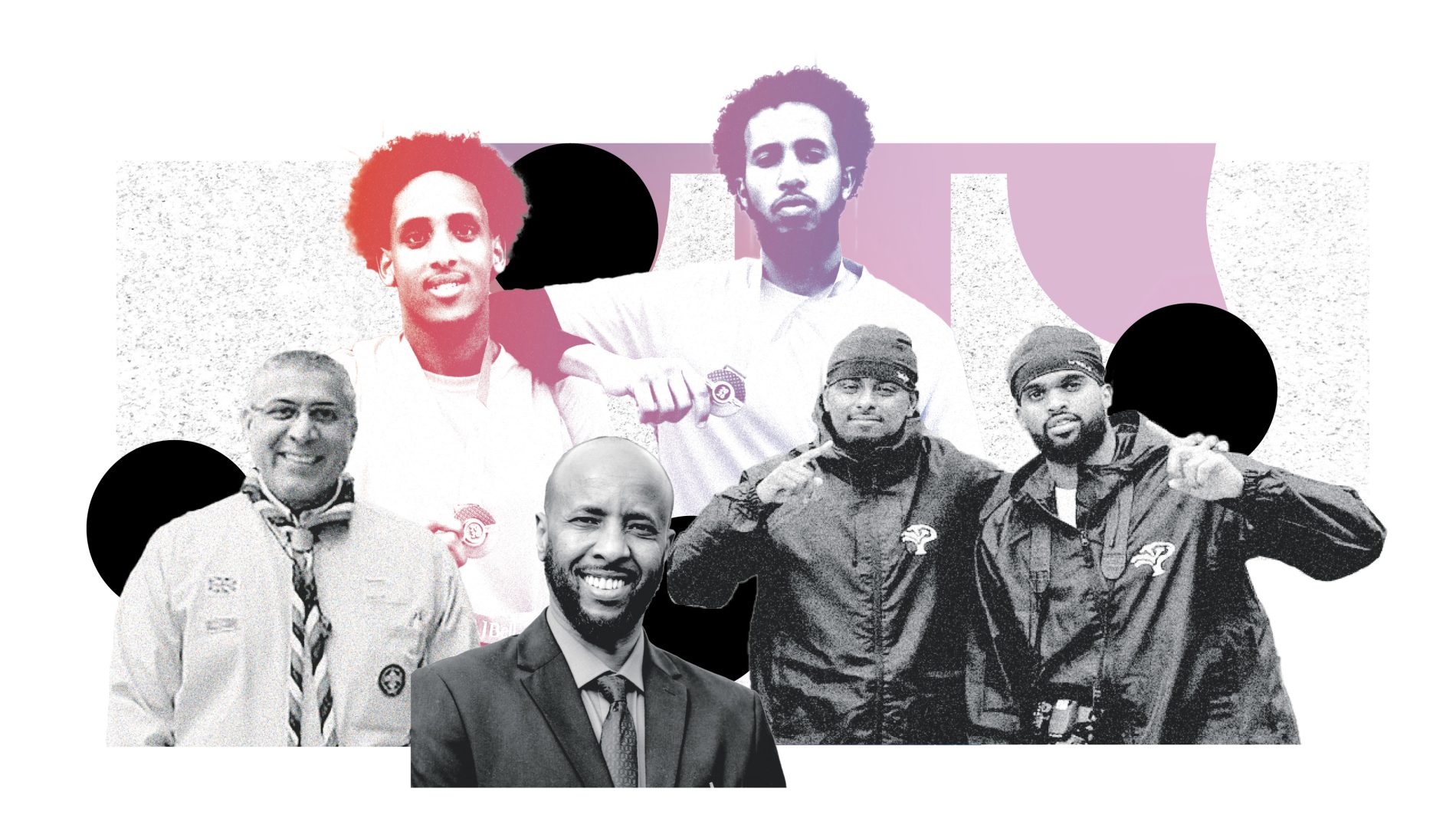
I spoke to three community organisations working with young Muslims in the city — each creating their own spaces for growth, belonging, and ambition outside of formal institutions.
New personal best
“More than just a ‘run club’’ reads a montage-style promo video on Nomads Run Club’s Instagram page. The group has only existed for seven months, but already functions as both a running club and wider youth network.
The goal is to inspire wider society, especially young people
Run Club is just one part of Nomads Club, a broader community that also hosts hikes, padel sessions, careers events — an attempt, they say, to build a more well-rounded youth space.
I met Abdullahi, Sa’ad, Lem, and Hadi — four of their core members — to understand what they are building in Bristol.
Only Sa’ad was new to running when the group formed, the others were already runners. They run twice a week, including during Ramadan, when Muslims observe long hours of fasting.
Abdullahi grew the club from a casual Whatsapp group, to a consistent and active community. “The goal is to inspire wider society, especially young people,” he says. “We were once in their position, We didn’t always have access to positive role models or opportunities.”
Lem, a revert to Islam, describes what the group means to him personally: “One of the most important staples of any life is having a sense of community. Having this as an outlet is really important for me.”
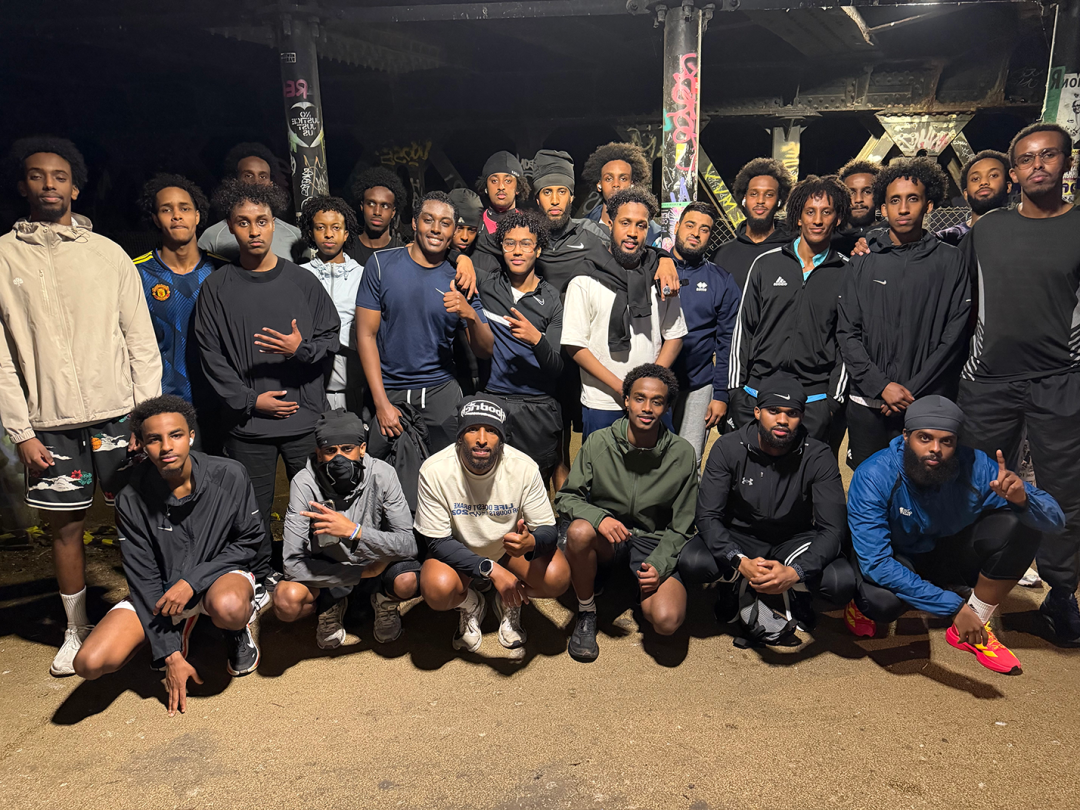
Hadi shares his ambition for the group: “What we do next is obviously going to have an impact on tons of communities,” he says. “But as long as we stay true to our message, things will pan out as they should.”
This is just one example of how Bristol Muslims show up for each other; creating opportunities through movement, routine and brotherhood.
Dyb, Dyb, Dyb!
Tucked away on Muller Road is a Scout hut. Outside, Cubs churn the earth, planting tomatoes, aubergines and flowers. If you’re not paying attention, you’ll drive right past.
Amir Cheema MBE has been involved in scouting for over 23 years. A former Scout himself, he now leads Bristol Muslim Scouts — a network that has steadily grown over two decades. When I first tried to reach him, he was out caving with his Scouts.
“We hope that people have a good environment and role models, and good friends, because you are what your friendship groups are.”
“When some of my young people went to university, they said they were surprised that everybody didn’t know how to light a fire, cook a meal, put up a tent, do orienteering. They thought it was normal!” Amir says.
Scouts teach practical skills, surviving in the wild and doing your best. But for Amir, its deeper purpose is building relationships.
“You get invited back to young people’s weddings as their Scout leader,” he says. “Now, mashallah, they’re doctors and solicitors, giving back to society.”
Activities range from gliding to kayaking to caving, but the deeper aim is confidence and direction Amir says: “We teach them not to be in a negative, spiralling space. You are a confident person, you have abilities. You go out into the world and help your communities.”
I ask where traditional Scout values and Muslim values overlap. “Duty to Allah, service to others. You respect your time, yourself and others,” he replies.
“We hope that people have a good environment and role models, and good friends, because you are what your friendship groups are.”
Amid the challenges and alienation that can come with growing up as a young Muslim in the West, Bristol Muslim Scouts offer something increasingly valuable: belonging. More than teaching young people how to tie knots or light fires, they create a lasting community.
Bridging gaps
Yet confidence and community are only part of the picture. For many families, another challenge lies in navigating the institutions that shape young people’s futures.
No community should have to mobilise simply to be heard. Yet that is the position We Hub Communities found itself in, as concerns from Muslim parents about their children’s futures in education continued to mount.
One parent said her requests for special educational needs support were repeatedly dismissed, while her son was labelled troublesome. Others felt incidents involving their children were handled unfairly, with blame falling disproportionately on them.
My father, Abdirahman Farah, is one of the organisation’s directors. Since joining his family in the UK, he has worked in a range of roles. Today, he describes himself as a community activist, focused on tackling the disproportionate exclusion that children from ethnic minority backgrounds experience in education and beyond.
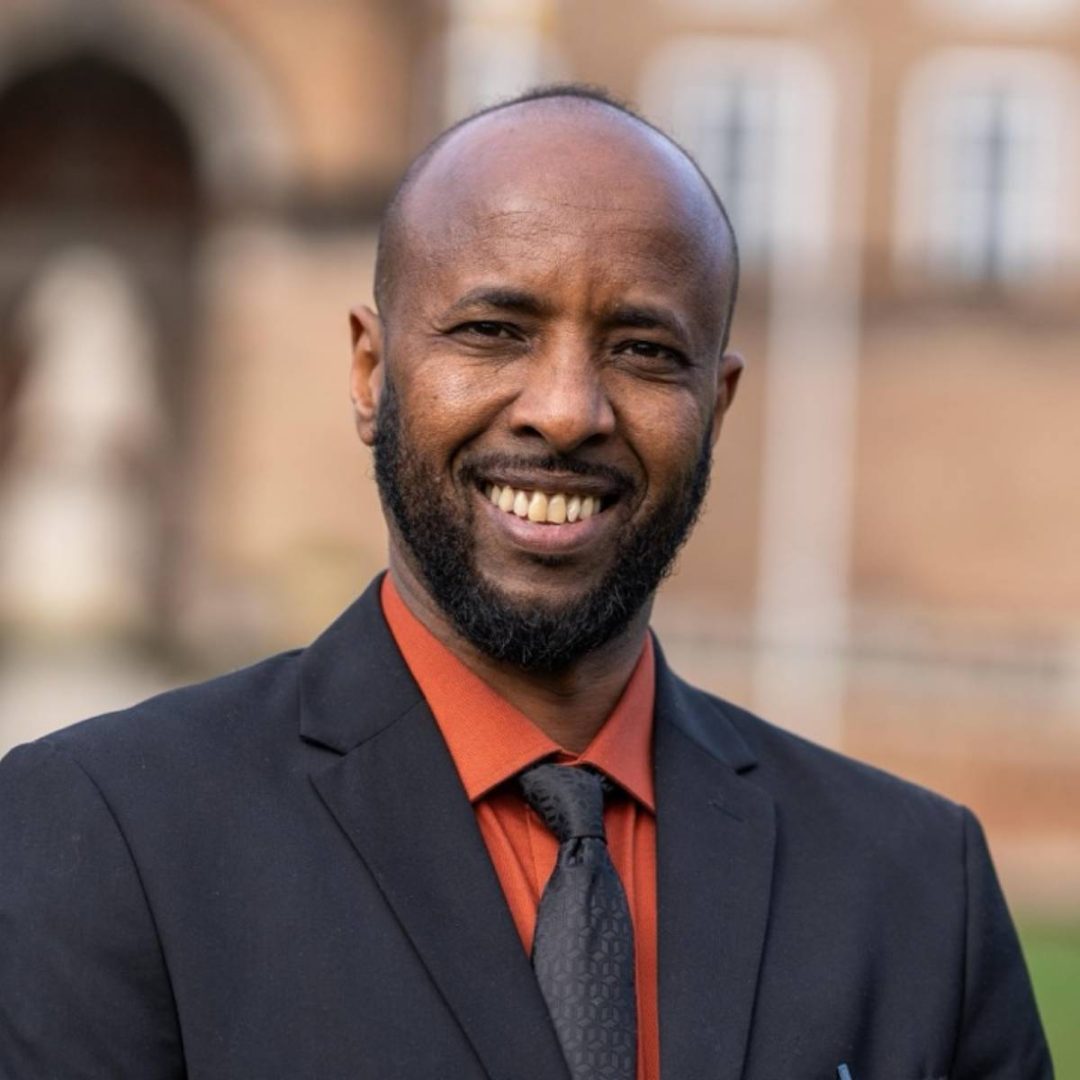
“The challenges facing not only young people but also parents are bigger than I thought,” he says. It was a realisation that first took shape in 2004, while working as an Achievement Manager in a Bristol secondary school.
Determined to do something about it, he undertook parenting training to “upskill [himself] as a parent” before passing that knowledge on to others. Much of the work focused on helping parents with limited English navigate communication with schools.
“I was lucky enough to have at least basic communication skills in terms of English language, and I was still struggling.”
Those concerns remain. Recently, We Hub Communities hosted an information evening with local police, helping young people understand their rights during stop and search encounters and signposting support for those affected by anti-social behaviour.
The work is practical, but its purpose is broader: helping communities navigate systems that can often feel distant or inaccessible.
I ask Abdirahman why some young Muslims continue to feel overlooked.
“Just imagine,” he says, “you came from a background of parents who speak very little English. You took your school results home and your parents say, ‘yeah, well, this child has improved, they’re doing well’.”
“If the parent is not aware of what the national average is supposed to be for their year group, then they will not be asking the right questions. Then that young person realises, ‘you know what, my parents wouldn’t understand anyway’.”
What he describes is a gap created by what he calls a lack of coordination between services — particularly schools. “I’ve seen that anger within young people,” he says.
Organisations like We Hub help communities make themselves heard, while helping institutions better understand the communities they serve.
Here to stay
In their Census Report for 2025, the Muslim Council of Britain called for, ‘Muslim and non-Muslim organisations developing services that signal inclusion and belonging.’
But in a society where racism and Islamophobia continue to shape institutions, the work of creating opportunity still often falls to community-led organisations, or the younger generations themselves.
Independent. Investigative. Indispensable.
Investigative journalism strengthens democracy – it’s a necessity, not a luxury.
The Cable is Bristol’s independent, investigative newsroom. Owned and steered by more than 2,600 members, we produce award-winning journalism that digs deep into what’s happening in Bristol.
We are on a mission to become sustainable, and to do that we need more members. Will you help us get there?
Join the Cable today