‘Your body is a vehicle’: Bristol’s POC-led outdoor groups
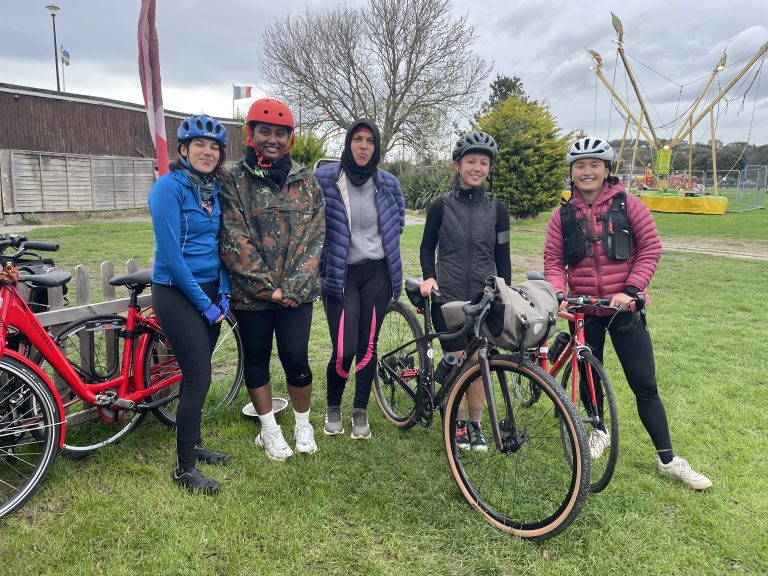
Credit: Tempo

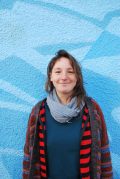
Marie Claire Bradley sits across from me on a bench in St. George Park as dusk draws in. She’s telling me how her life changed when she bought a bike off a guy in Brislington.
“I rode it back home, I went and got some shopping and I had this realisation,” she says. “This is crazy. You can do this thing that’s free, and it’s really fun. You can go wherever you want, your body is a vehicle…This realisation was magic to me.”
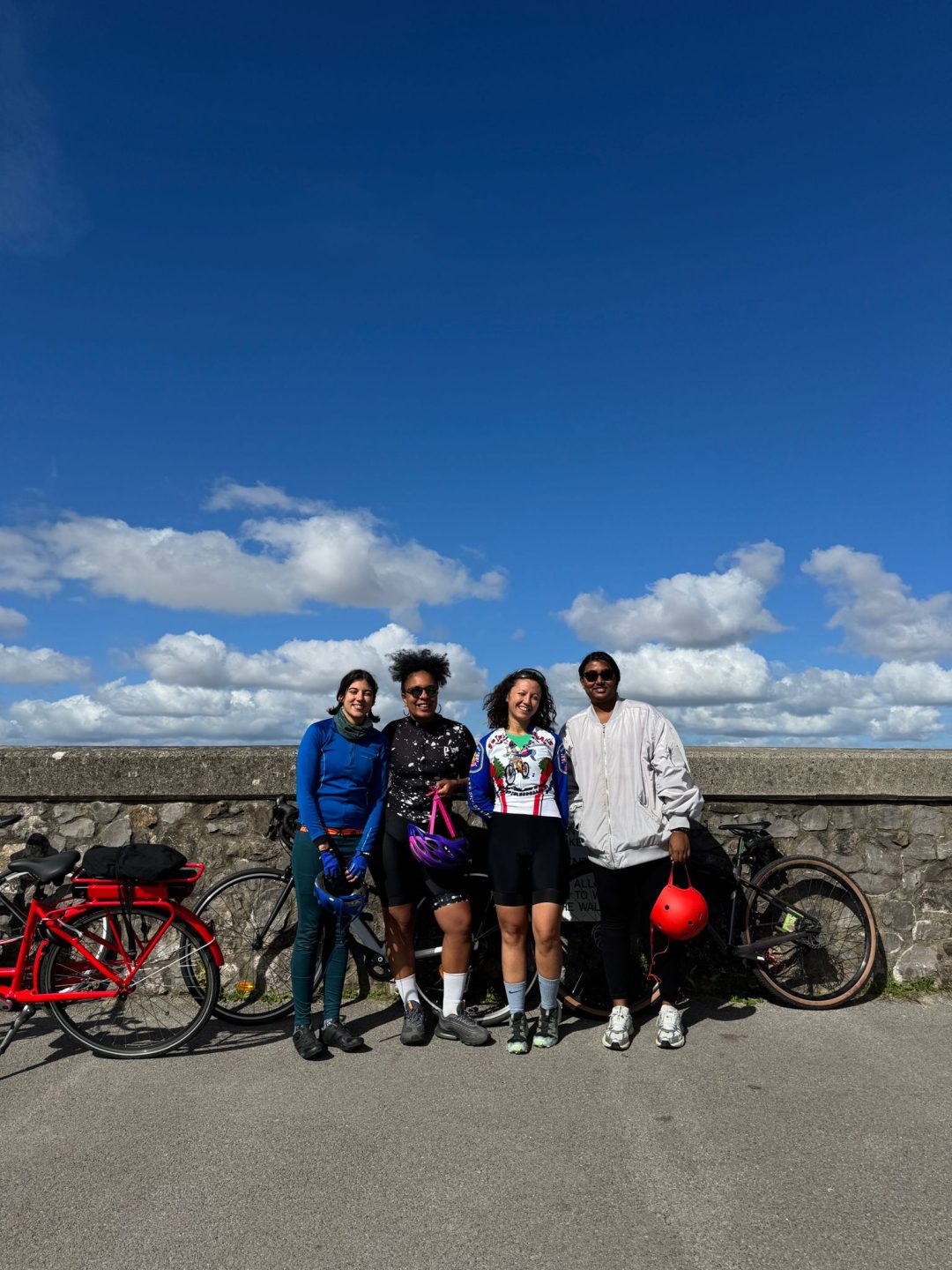
Soon enough she was riding regularly. She sought out group rides to meet other people, but left feeling underwhelmed: “You do sometimes meet other people of colour at rides, but it’s infrequent. It’s a predominantly white male sport.”
It was around this time she watched the documentary, Ovarian Psychos about a group of Latina women from East Los Angeles who founded a cycling crew.
“Cycling for them is an escape from the daily racist and misogynist abuse that they face,” she explains.
The film stuck with her. By spring 2025, Marie Claire was talking to other women interested in cycling and connecting with women-of-colour-led cycling groups in London.
“I was like, ‘I think something needs to change. I think I probably need to start a cycling club,’” she laughs.
So she did. Marie Claire founded Tempo, which now runs regular bike rides for women of colour and people of other marginalised genders. Now running for over a year, they organise long-distance rides for different abilities, social activities and mountain biking lessons.
Tempo is one of many groups led by people of colour in Bristol organising to make access to outdoor spaces more accessible and inclusive. But despite the success of these groups, is it having an impact on the rest of Bristol’s environmental movement?
Green medicine
During lockdown, Leanne Wharton gravitated towards places like Ashton Court and Wentwood Forest in Wales. “Getting outside certainly helped my mental health and helped ground me,” she tells me. “That was something I really wanted to share with others.”
Getting outside certainly helped my mental health and helped ground me. That was something I really wanted to share with others
Leanne Wharton, Soul Trail
As a therapist, Leanne noticed how many of her clients also benefited from spending time outdoors. In 2020, she founded Soul Trail, offering hikes and other low-cost nature-based activities for Global Majority communities in Bristol.
Many of her clients are referred to her through their GP via The Nature Consortia, which connects people with non-medical support such as community groups.
Leanne has developed Sister Trails, a six-week scheme bringing women of colour together through nature-based activities.
For her, the benefits are clear. One woman with a brain injury joined the programme: “A Wednesday night is the only night she’s been able to sleep for the past two years since joining our program, because it’s the only night she’s not in pain,” Leanne says.
In 2021, Bristol became one of seven test sites for a green social prescribing model, which aims to embed nature-based practice in health and social care. This, Leanne believes, puts Bristol “ahead of the game” in relation to other major cities.
Leanne is now looking at developing a training package to secure funding and help other Black-led organisations across the UK deliver similar programmes to Sister Trails. But despite its success, funding remains a constant struggle.
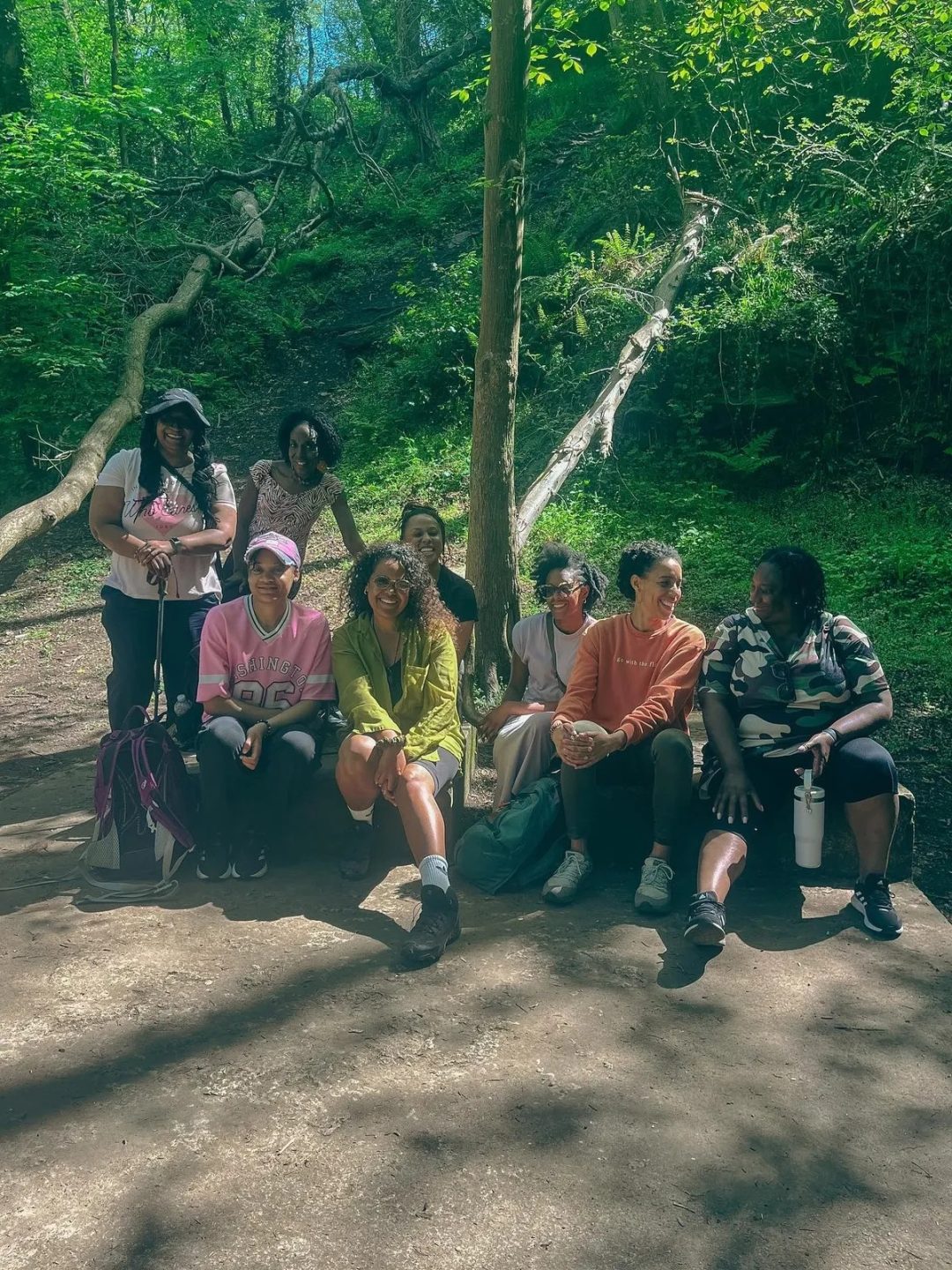
Leanne believes collaboration is part of the answer, rather than organisations competing for resources: “It’s all about uplifting other organisations to co-deliver with us and bring their expertise, give them paid work and showcase what they’re doing and have a wider reach.”
Nature as coping tool
Alongside groups like Tempo and Soul Trail, which work mainly with adults, Bristol has groups helping young people build a love for nature.
One is Black 2 Nature, founded by Mya-Rose Craig, also known as Birdgirl. Raised in a nature-loving family, she developed a fascination with birds from a young age, travelling across continents with her parents to see some of the world’s rarest species.
Aged 13, Mya-Rose ran her first nature camp. “I think it came from an almost childish desire to share what I loved with other people,” she says.
Getting children outdoors often starts with conversations with parents about why it matters, she says: “A lot of the time engaging with nature is very generational… It’s almost like having the cultural context to go out and do that.”
Mya-Rose also sees time in green spaces as a vital tool for helping young people deal with their emotions.
“One of the things that we’re trying to do, especially with the younger kids, is give them some tools to manage their mental health,” she says. “Even talking to them and being like, ‘If you’re happy or sad or upset, go and try sit under a tree for 10 minutes.’”
Children and the plant life cycle
While Mya-Rose’s fascination with nature began with birds, Amrish Pandya’s began with plants. He remembers his mum growing coriander and fenugreek in their backyard when he was a child.
“It blows my mind that a seed just grows. You do nothing, virtually,and it grows. It still astonishes me that it does that.”
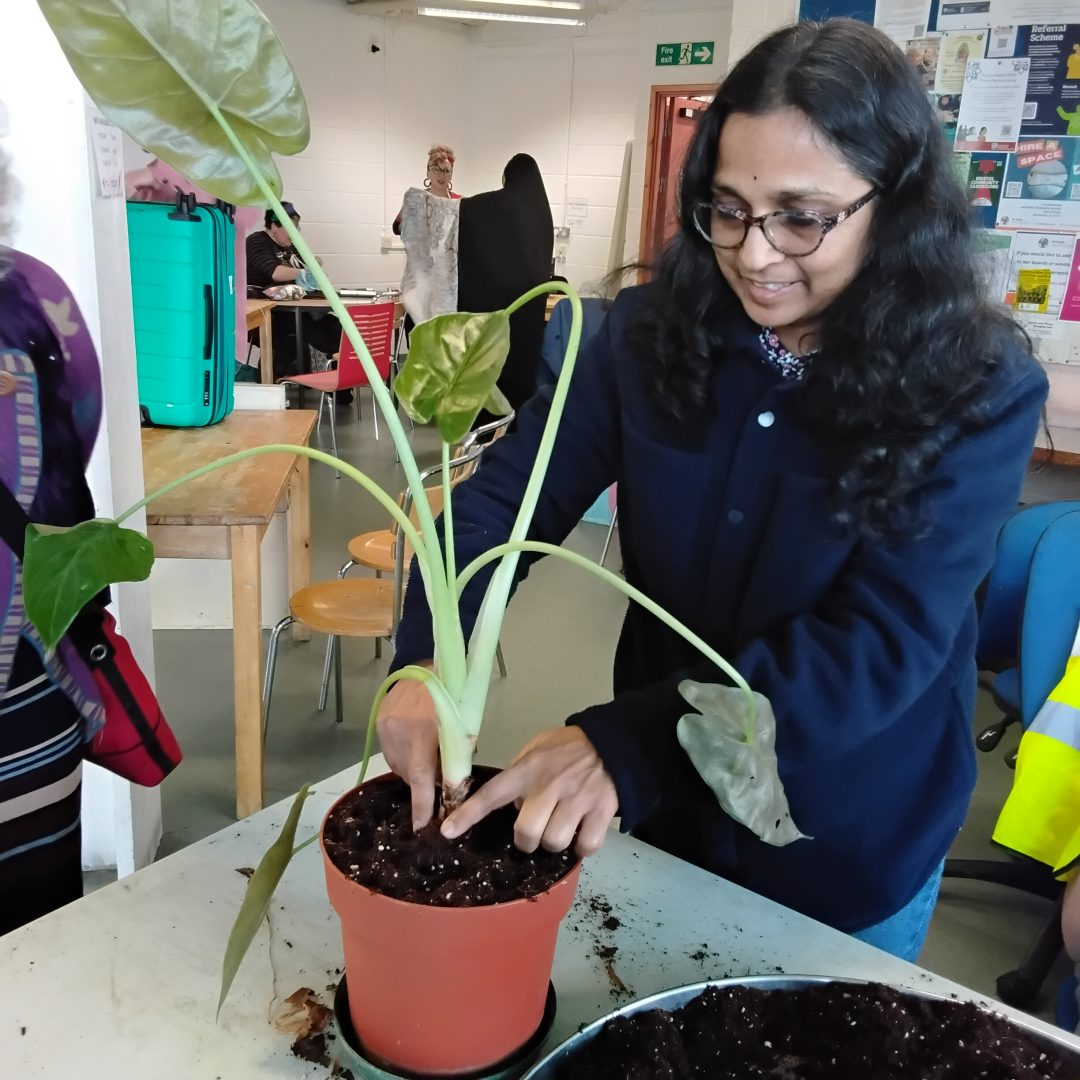
Bristol Rainforest, the organisation he founded to bring plants into schools, came about almost by accident, when a local headteacher dropped into Amrish’s plant-filled office assuming it was a shop.
Amrish gave him a plant to take anyway. “In less than a week’s time, three of his teachers came to visit me,” Amrish says laughing.
Bristol Rainforest now has plants in 22 Bristol schools, as well as at the University of the West of England (UWE), Bristol Aquarium and Lloyds Bank headquarters on the harbourside.
Being around plants makes the children he works with calmer and more focused, he says. One headteacher told Amrish he noticed the difference at lunchtime: “They were paying attention to the food and eating instead of clattering things around and being distracted.”
Food and healthy eating remain a central passion. “The main thrust of our activities now are building wonder walls of veg in school playgrounds,” he says.
Amrish’s ambition is for every child to leave primary school knowing how to grow vegetables.
“Imagine every single child leaves primary school knowing how to grow vegetables hydroponically… In their school playground they grew veg. They saw the whole plant life cycle. They then ate that veg.”
‘Recognition, resources, leadership’
Bristol has many projects to build a more diverse and inclusive environmental movement – but is their work being acknowledged?
I put this question to Gnisha Bevan, co-founder of Black Seed Network, which supports Global Majority people interested in the environment.
Having worked in the sustainability and environmental sectors for many years, she is frustrated that mainstream environmental organisations have been slow to respond to the work of POC-led organisations.
She questions why there’s an urgency on tackling climate change, while treating racial justice as something that can wait. “People say, ‘Oh, well, change takes time.’ And I’m like: Well, which do you want? Do you want rapid change for action on the climate or are we taking time for this action to be anti-racist or to have a just transition?”
For Gnisha, these barriers are structural. At Black Seed Network, the priorities are “recognition, resources, and leadership,” she tells me.
Recognition is inseparable from funding and support. “The recognition part is all about the fact that Global Majority people are here. We’re part of protecting the Earth,” she says.
“If we want to be learning from people, shouldn’t we actually be celebrating the knowledge that’s out there?”
Independent. Investigative. Indispensable.
Investigative journalism strengthens democracy – it’s a necessity, not a luxury.
The Cable is Bristol’s independent, investigative newsroom. Owned and steered by more than 2,600 members, we produce award-winning journalism that digs deep into what’s happening in Bristol.
We are on a mission to become sustainable, and to do that we need more members. Will you help us get there?
Join the Cable today