Help us keep the lights on Support us
The Bristol Cable

Flavours without borders: A culinary journey down Stapleton Road
From Somali breakfasts to Kurdish grills, the eateries of Stapleton Road reflect journeys made, cultures shared, and recipes carried across continents

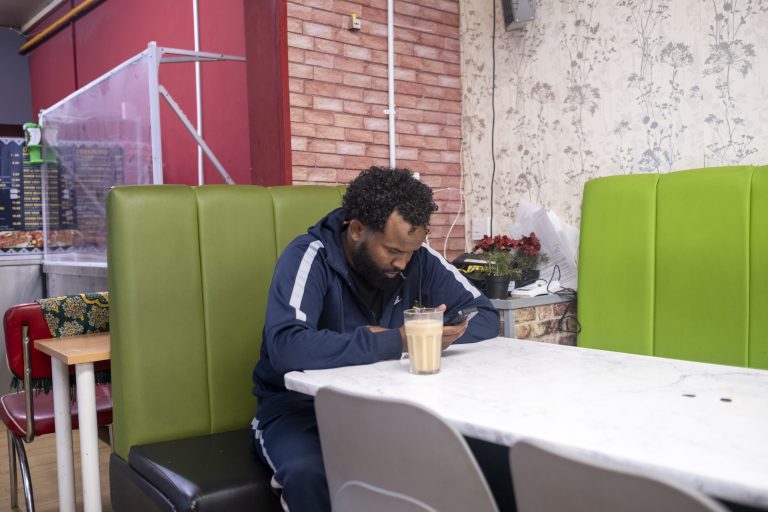
A man sits alone in front of a restaurant table with a cup of tea, looking at his phone.
Edition 41

Running through the heart of east Bristol, Stapleton Road is one of the city’s most culturally rich – and often misunderstood – streets. Walk its length and you’ll find food from around the world: slow-cooked lamb infused with Yemeni spices, jerk chicken fresh off the grill, and authentic chai ordered from a sleek, flat-screen kiosk.
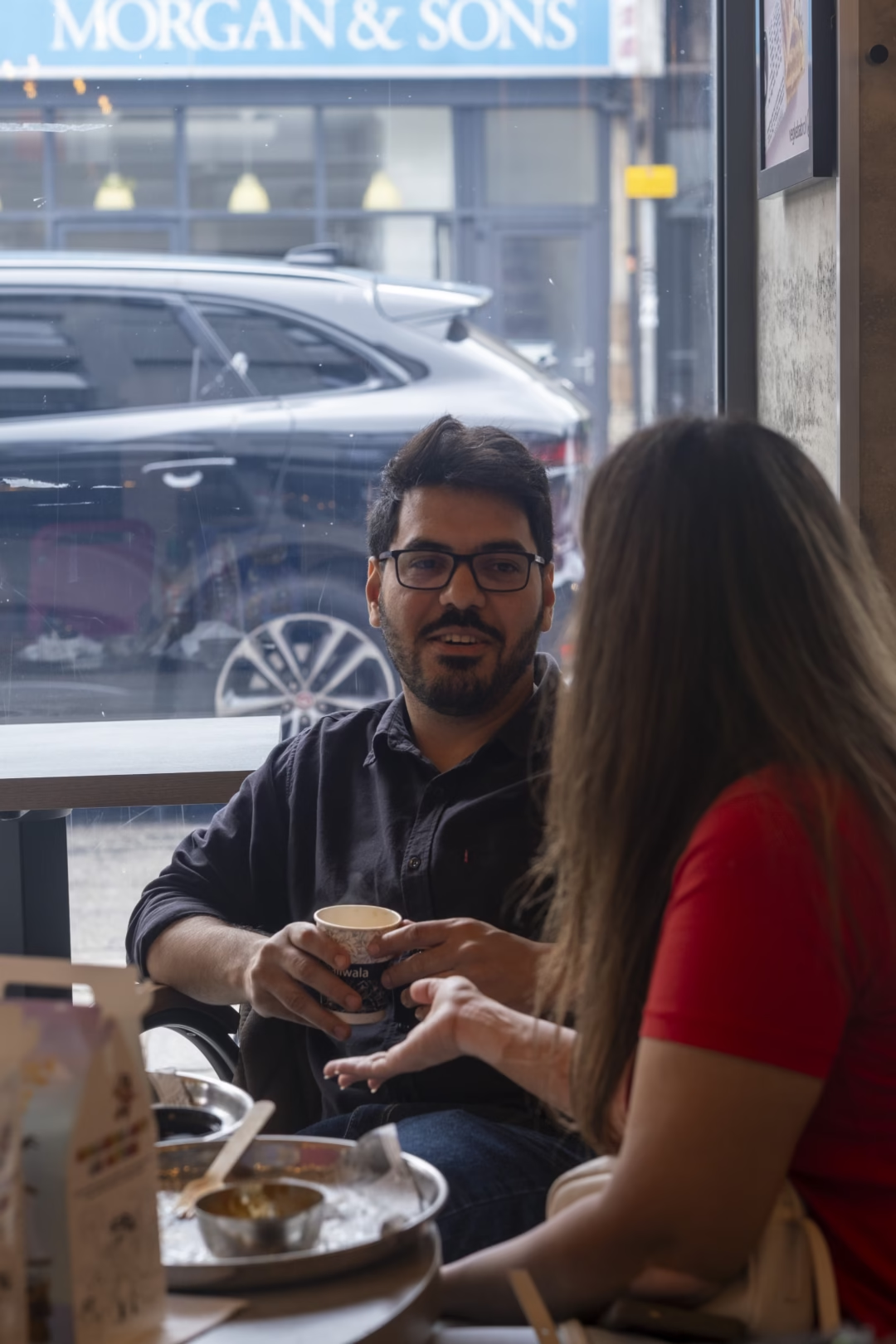
A man and a woman sit facing each other in front of a window at a cafe.
Customers chat over a chai, Chaiiwala.

I visited on a quiet Saturday afternoon, just before the streets filled with families, friends, and regulars stopping in for their usual meals. It was the perfect moment to step inside kitchens, speak with the owners, and soak in the atmosphere.
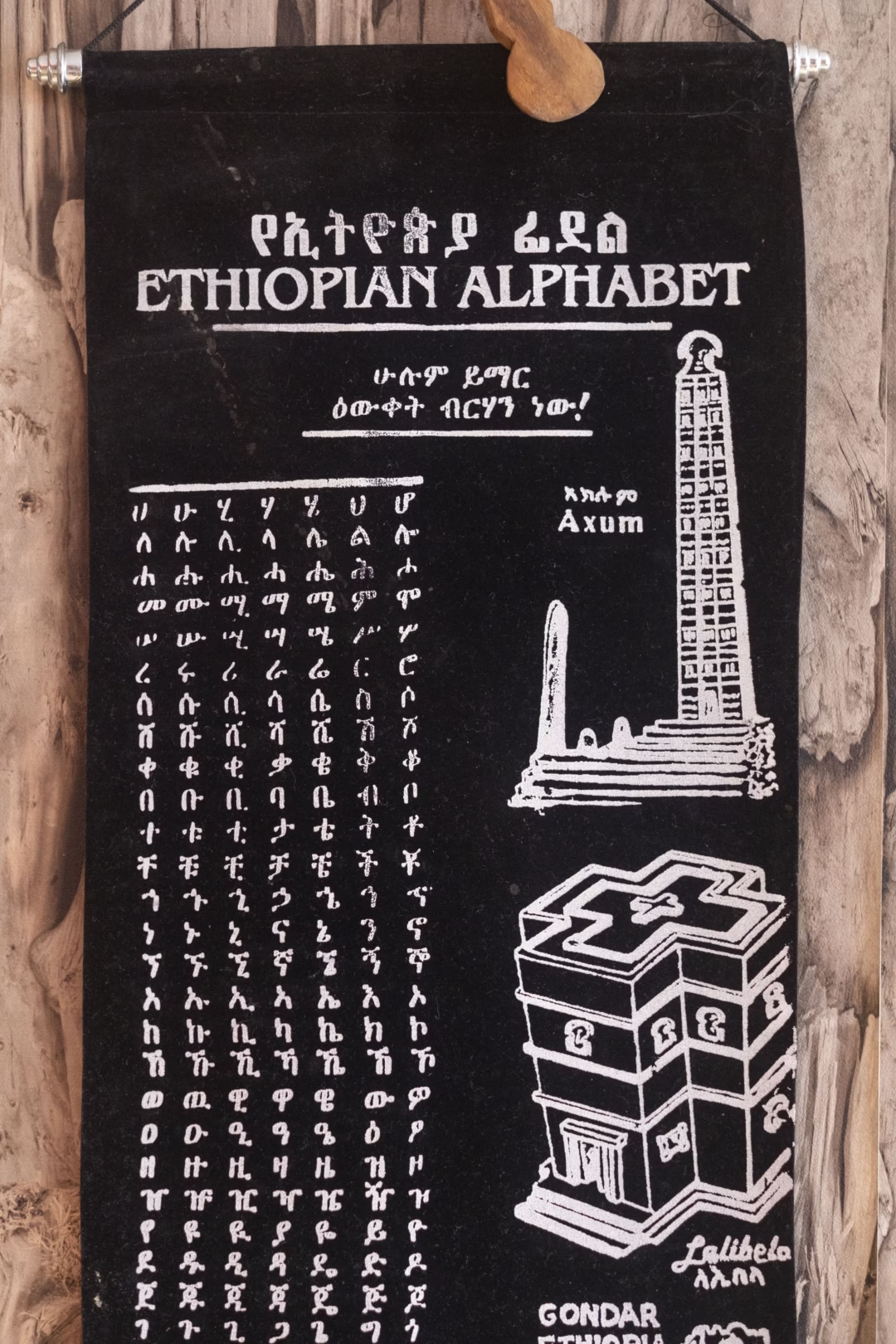
A black and white poster displaying the Ethiopian alphabet with illustrations of ancient buildings.
A poster displaying the Ethiopian alphabet, Real Habesha.

At Real Habesha, which serves Ethiopian and Eritrean cuisine, the air is thick with the aroma of berbere spices. Fluffy injera – a soft, sour, spongy flatbread – is topped with spicy lentils and spread out like edible canvas, ready to be torn and shared.
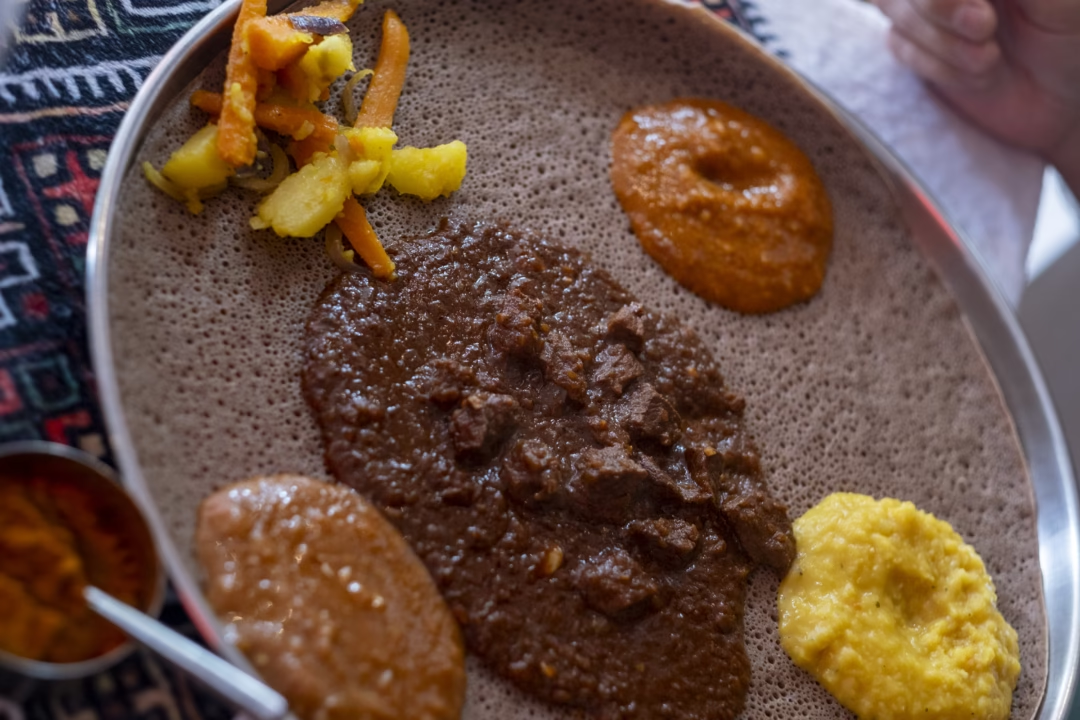
A metal plate with Ethiopian injera and curries on a restaurant table.
A plate of injera and Ethiopian curries, Real Habesha.

The owner, Beletse Abraha, insists I have a drink. He offers a choice of inviting, aromatic coffees, but since I’m in a hurry, I opt for a can of guava juice to take away. His portrait is in this essay to show the kindness behind the counter.
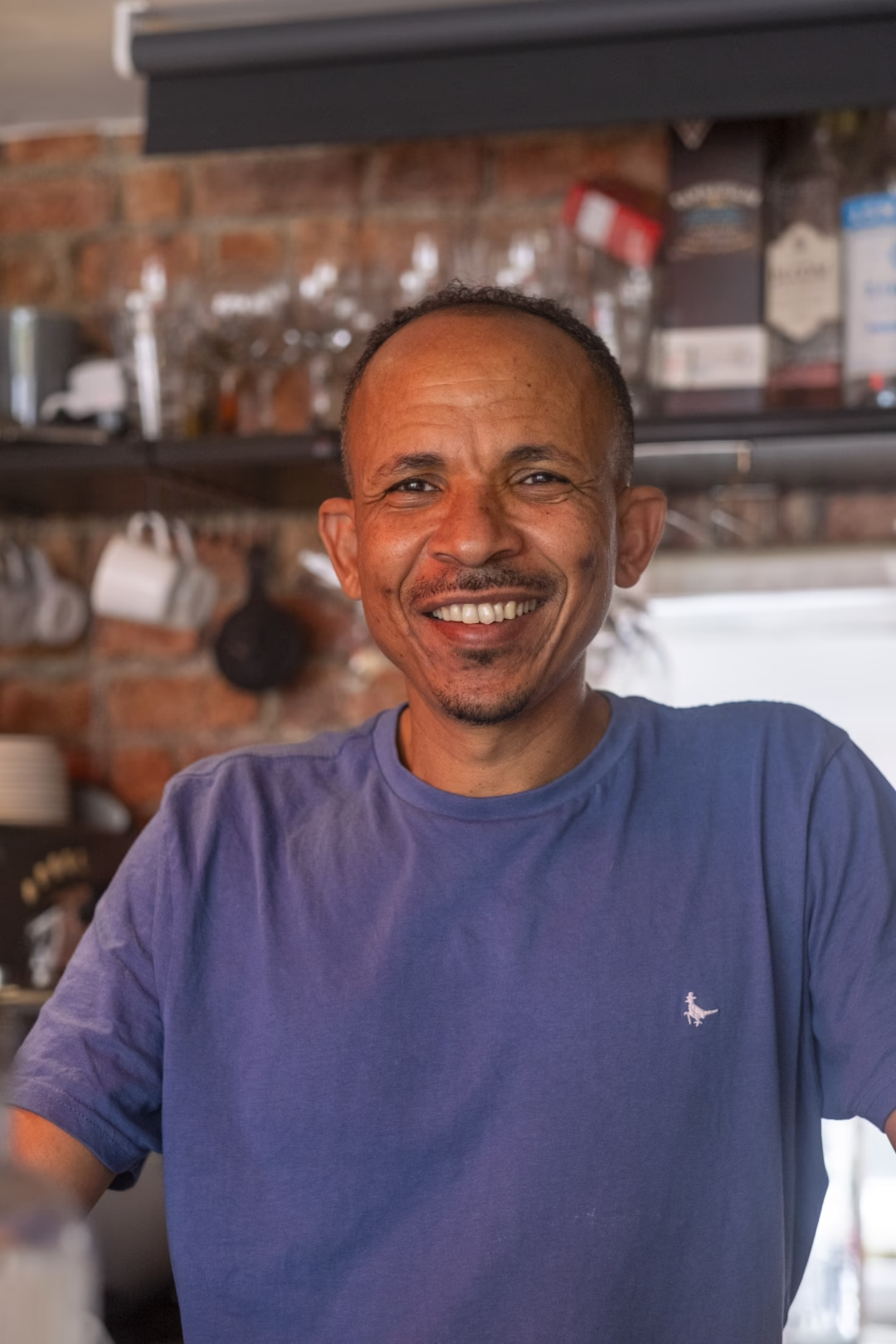
A portrait of a smiling man in front of a bar.
Beletse Abraha, owner of Real Habesha.

That same warmth and hospitality greeted me everywhere.

At Mandhi Palace, a Yemeni restaurant, I met Salah, an Uber driver from Eritrea who came to the UK as an asylum seeker. He was camera-shy, but smiled and laughed easily. When I told him I was working on a photo essay, he said simply: “If you’re hungry, you should eat.” Sharing food, he explained, is part of his culture. I was hungry – and the food was incredible.
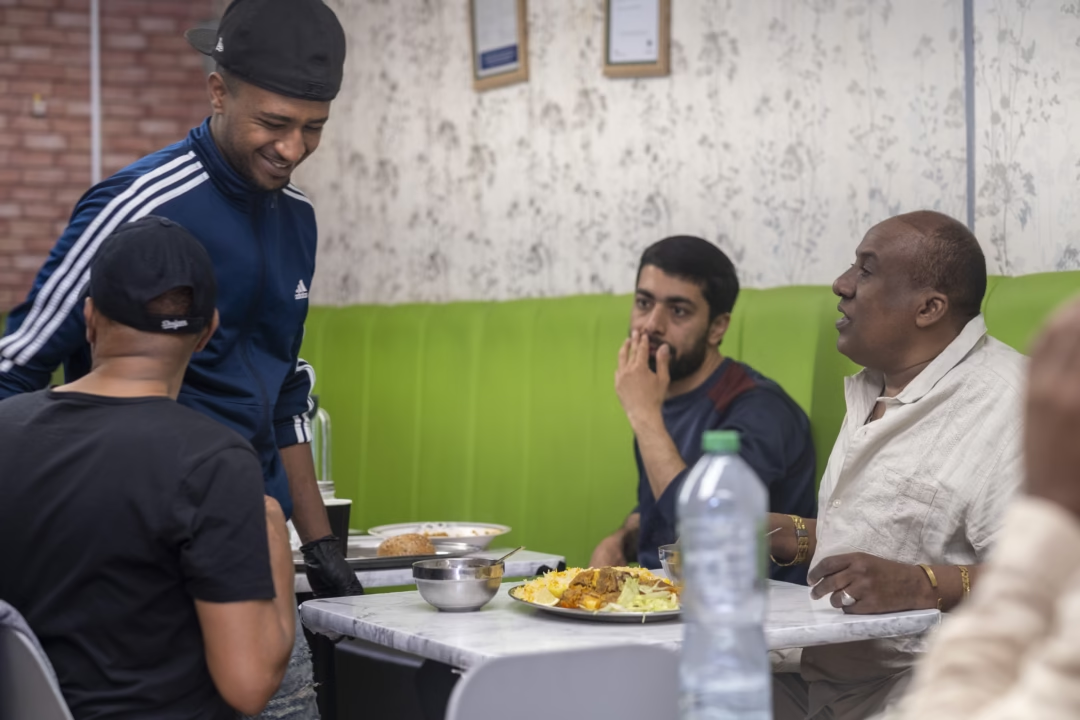
A group of men sit around a table in front of plates of food at a restaurant.
Customers sit down to eat at Yemeni restaurant Mandhi Palace.

These restaurants are more than places to eat. They’re small worlds built with care, by people who work hard every day to keep Bristolians fed. As the city changes and small businesses face growing challenges, these places stay strong.

They remind us that kindness and hospitality is still alive and well. You just need to pull up a chair and join in.

Independent. Investigative. Indispensable.

Investigative journalism strengthens democracy – it’s a necessity, not a luxury.

The Cable is Bristol’s independent, investigative newsroom. Owned and steered by more than 2,600 members, we produce award-winning journalism that digs deep into what’s happening in Bristol.

We are on a mission to become sustainable, and to do that we need more members. Will you help us get there?

Join the Cable today

NEWS YOU OWN
CAN'T BE BOUGHT

Become a member of The Cable to keep news independent.

Join now

Comments

Post a comment

Mark if this comment is from the author of the article

By posting a comment you agree to our Comment Policy.

This site uses Akismet to reduce spam. Learn how your comment data is processed.

Related content

Listen: Bristol Unpacked – high sheriff Kalpna Woolf on connecting people through food and battling for boardroom diversity

Neil chats to Kalpna Woolf on her journey from west London migrant kid to BBC head of production, cookbook author and boardroom diversity advocate – as well asking what exactly a high sheriff gets up to.

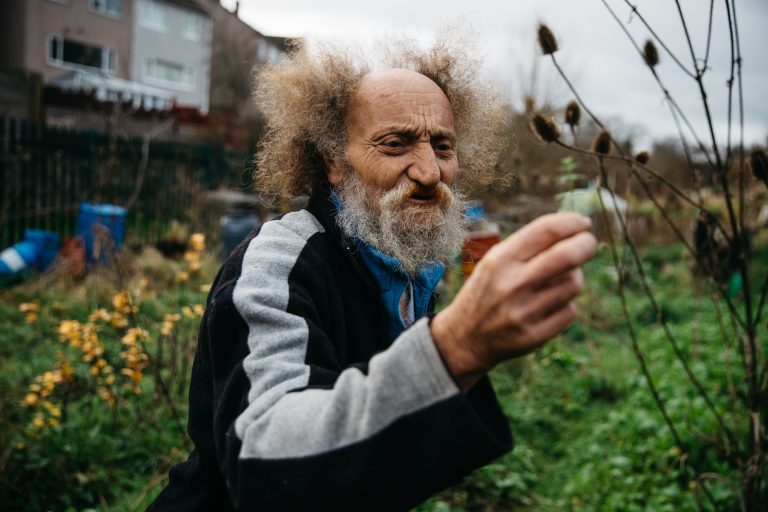
‘You needed young people’: how one man nurtured a community on an east Bristol allotment site

Tenants of Bristol’s sought-after allotments are pushing back hard on council proposals to hike fees. But back in the 1980s, plots in Eastville at Royate Hill were unloved and at risk – until Mike Feingold took custody of the land.

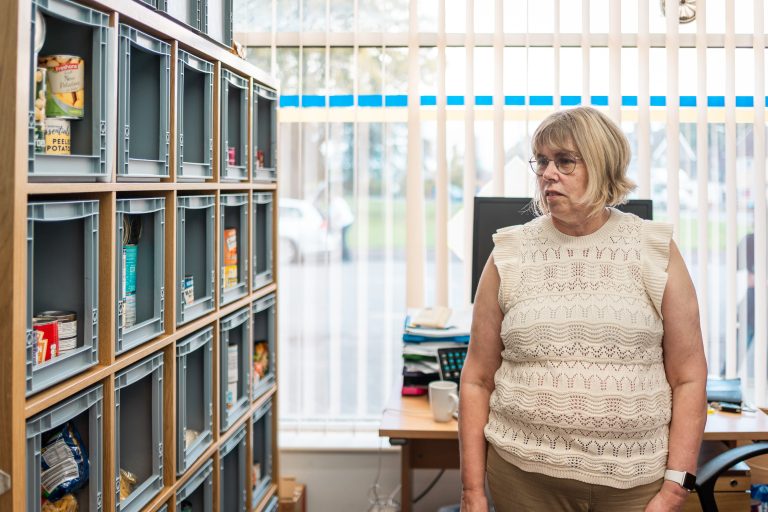
Rising demand and falling donations causing shortages at Bristol food banks

The cost of living crisis means more people need food banks – but fewer are donating. The Cable spoke to organisations across the city trying to help the growing number of households who can't afford to eat.

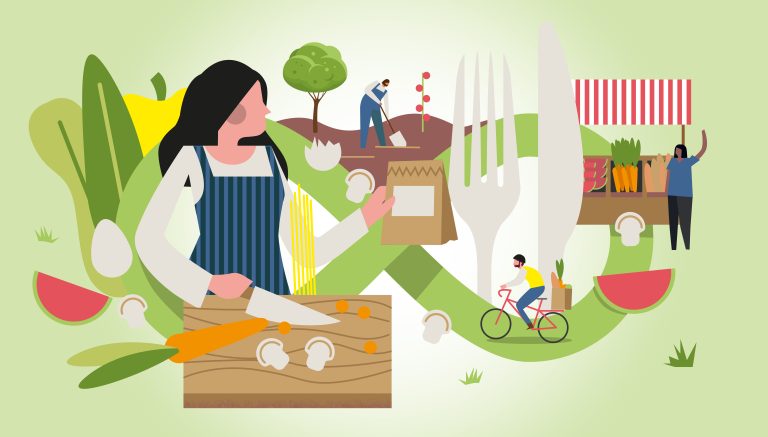
Why Bristol needs to build a sustainable food system – before disaster strikes

Bristol is recognised as a leading city in sustainable food. But with international food systems creaking and the impact of climate change on the horizon, even more needs to be done.

Cooking up a storm: The project tackling Bristol’s rising food poverty

The Mazi Project provides pre-portioned meal kits to marginalised young people to address food poverty in the city.

Listen: Bristol Food Famiglia by Steven Mitchell

Your Bristol Life is a new series of five podcasts shining a light on underrepresented aspects of Bristol's history. This BCfm series was made with the Bristol Cable, Bristol History Podcast and In The Dark.

JOIN OUR
NEWSLETTER

Fearless, independent
reporting you can trust.

JOIN OUR
NEWSLETTER

Fearless, independent
reporting you can trust.