
How did the Art Against War Club get started?
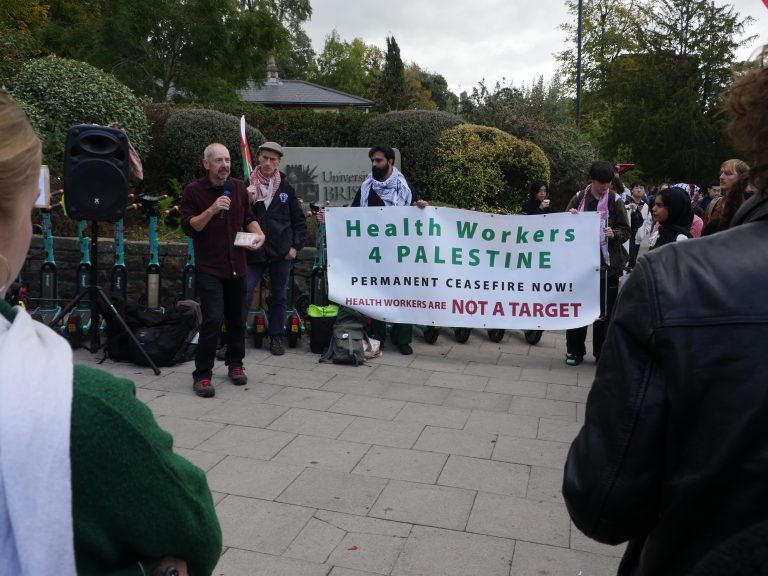
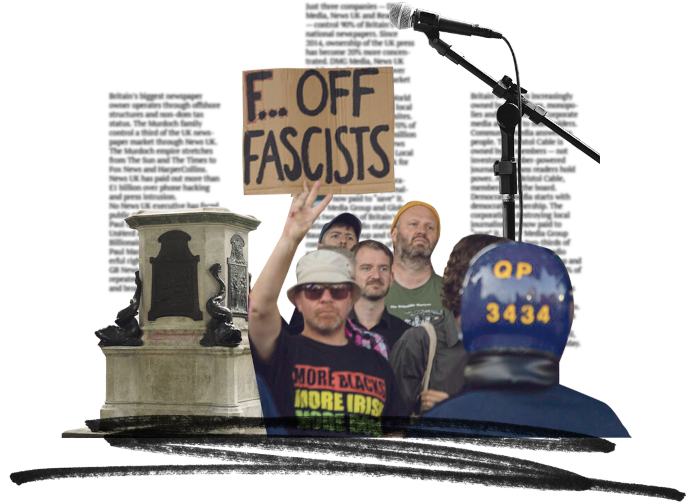
We started in October 2025. Most of us met through Palestine solidarity work, blockading Elbit’s Filton site with Disarm Bristol. The month before, the Seeta Patel Dance Company invited us to Anatomy of Solidarity, a project about Bristol’s culture of resistance. We used the opportunity to invite activists and artists to get together and see what happened.
What was the initial idea behind it?
Part of the aim was simply to raise awareness. Bristol is among the largest arms manufacturing centers in Europe, yet most of us have no idea. We wanted to show how absurd it is that a city famous for radicalism remains in ignorance—or denial—about exporting shit tons of killing equipment.
What are the aims of Art Against War? What do you hope it will achieve?
As Bristolians, we feel a responsibility to confront the banality of evil on our doorstep.
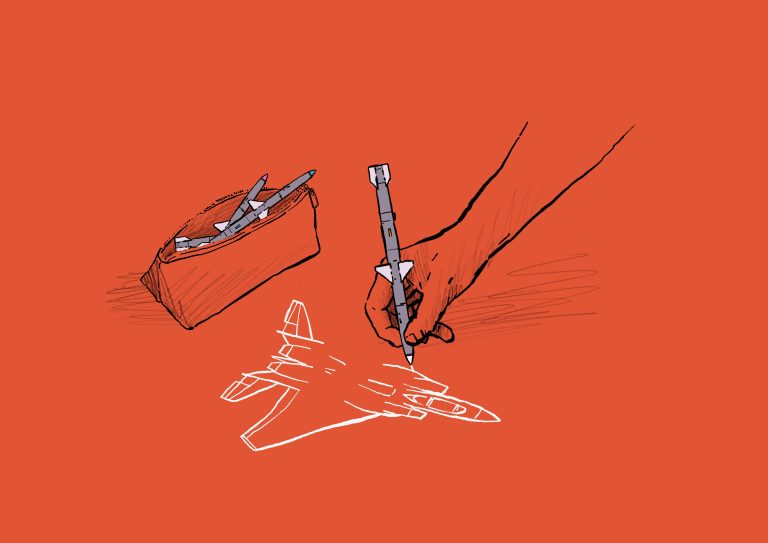
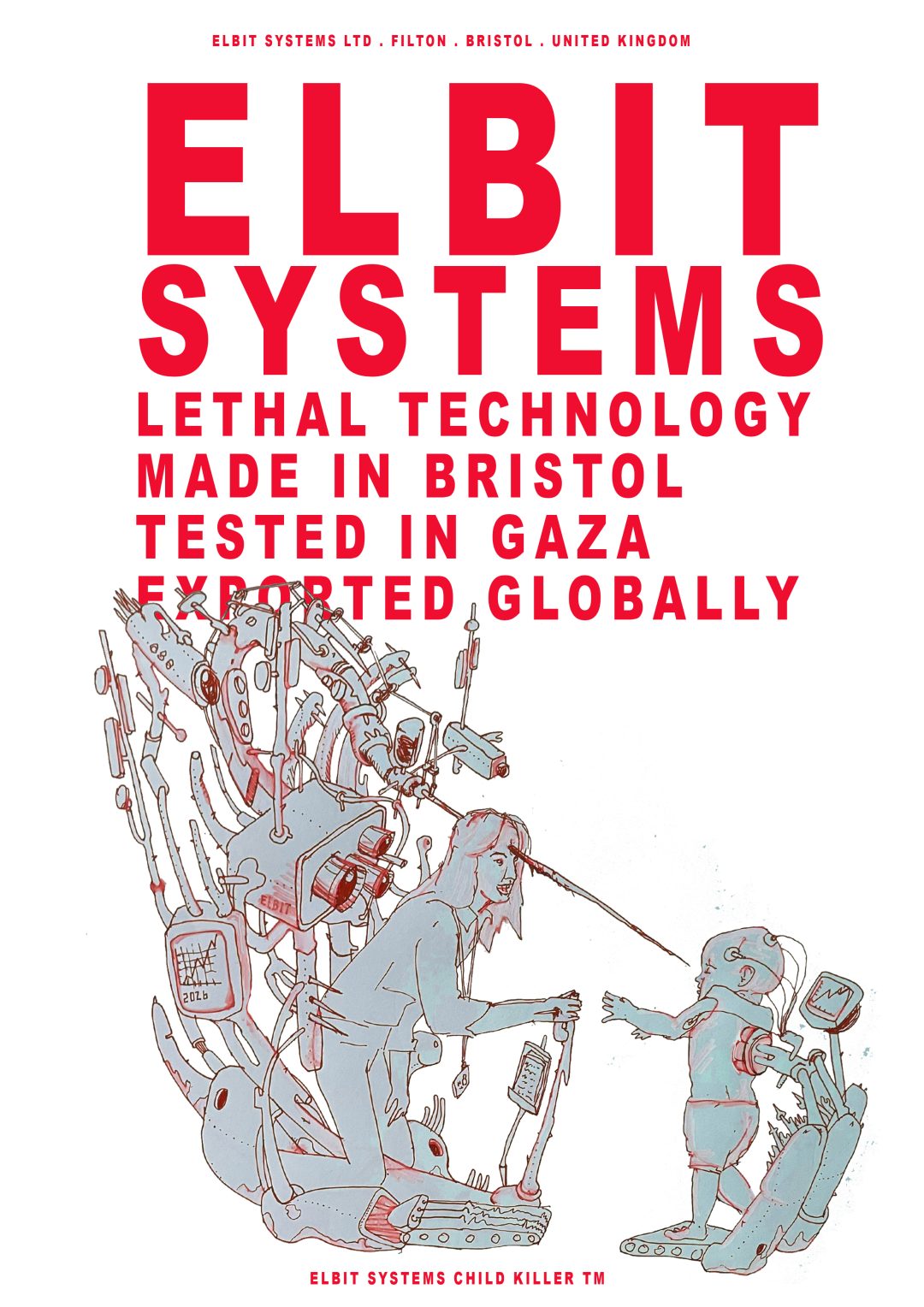
‘Arms manufacturing’ may sound remote, but when you learn what they produce, it becomes visceral—and fast. The sniper drones assembled in Filton are programmed to broadcast recordings of children crying, tricking people into helping—and then shooting them down. Once you know that, you can’t unknow it.
In the words of radical Black feminist filmmaker Toni Cade: “The role of the artist is to make the revolution irresistible.” We hope to inspire Bristolians to resist, demystify protest, and amplify the voices of prisoners, Palestinians, and communities whose homes and lives are destroyed by our local industry.
So what do you do? Who are you for?
The club is a space to get messy, learn, and question ourselves and each other. Work doesn’t need to be perfect, participants don’t need every technical skill, and there’s no single “correct strategy.” By working collaboratively and anonymously there’s space to experiment.
People bring beginnings of ideas to workshops, often leading to surprising results.
Bristol’s small enough to bump into artists, activists, and people doing amazing work every day—a perfect way to build relationships, organise, and get shit done.
You recently exhibited some work at the M Shed. What was the response?
We gathered at M Shed for the opening of the Seeta Patel Dance Company exhibition called The Anatomy of Solidarity, which brought together our work with two local grassroots groups, Creative Shift and Bristol Latinas. Seeing the work displayed in one of the city’s best known cultural institutions was a real buzz. It was powerful to know that thousands of people would be able to witness the consequences of having weapons manufacturers in our midst.
Initially, the M Shed staff welcomed the work and praised the importance of our message, which offered solidarity to Palestine, Sudan, the Filton 24, the Brize Norton 5, and critiqued Bristol’s complicity in global war and genocide.
But things quickly went south. A couple of days later, the exhibition was closed and six of our artworks were removed. Two were later rehung, but the four pieces which mentioned arms companies and Elbit UK CEO Martin Fausset, were vetoed. We were originally advised this was due to legal guidance, but later we were told it was due to a ‘policy decision’.
What happened after that?
In protest, we cut out the ‘offending’ material. They too were later rehung, following pressure from allied Green councillors. The censorship became a visible, central component of the installation.
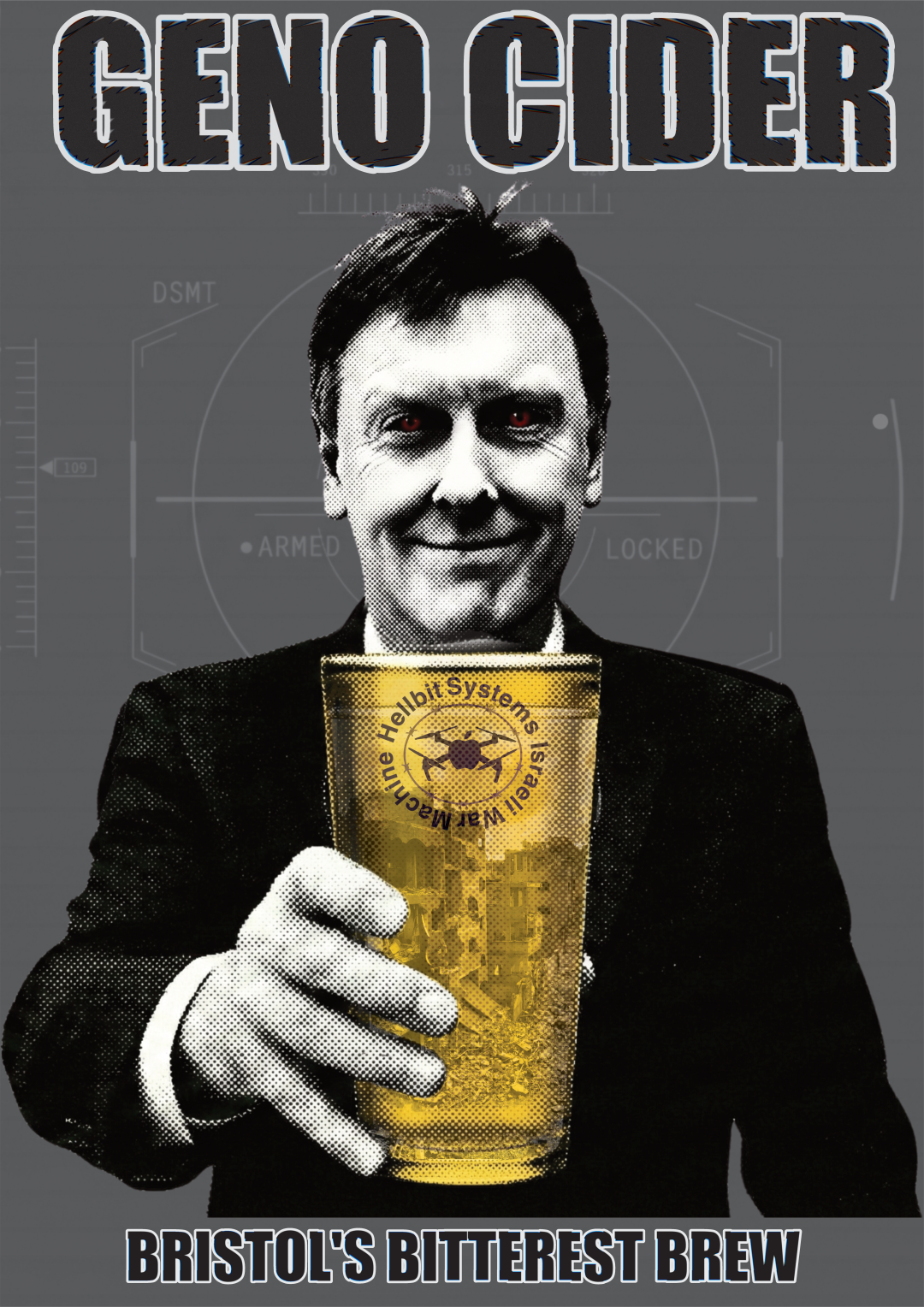
In a further act of defiance, Fausset’s censored face was turned into masks, worn by 50-odd protesters at a demo outside the Elbit factory in Filton. The next day, Fausset was spotted at the same location, as a Disarm Bristol blockade prevented him entering the site. We want every Bristolian to recognise Martin Fausset and Elbit as the local face of banal monetised evil.
As the censorship shit show unfolded, we were told M Shed needed to remain neutral. But we had questions: how is it that Rolls-Royce could be named in M Shed’s permanent exhibition, which features military hardware alongside a TV blasting imagess of fighter jets, while the genocide-adjacent Elbit Systems and BAE Systems were censored in ours?
We’re yet to receive an adequate response from M Shed. The Seeta Patel Dance Company team, who’ve had our backs throughout, have submitted questions to the council’s culture group to get to the bottom of this mess.
Why do you think art can be a powerful tool against militarism and the arms trade?
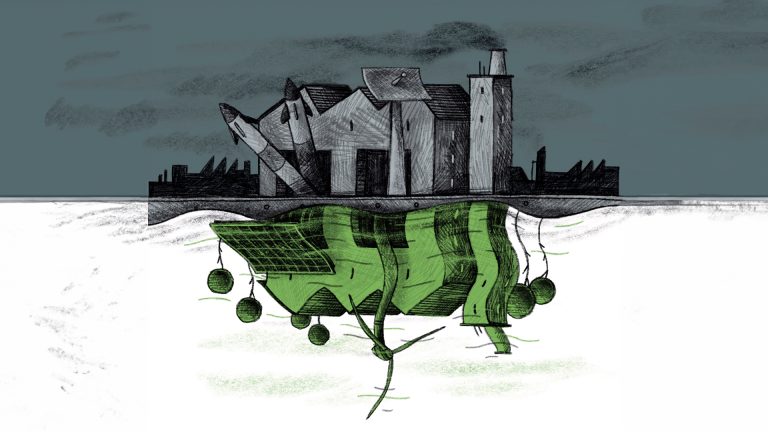
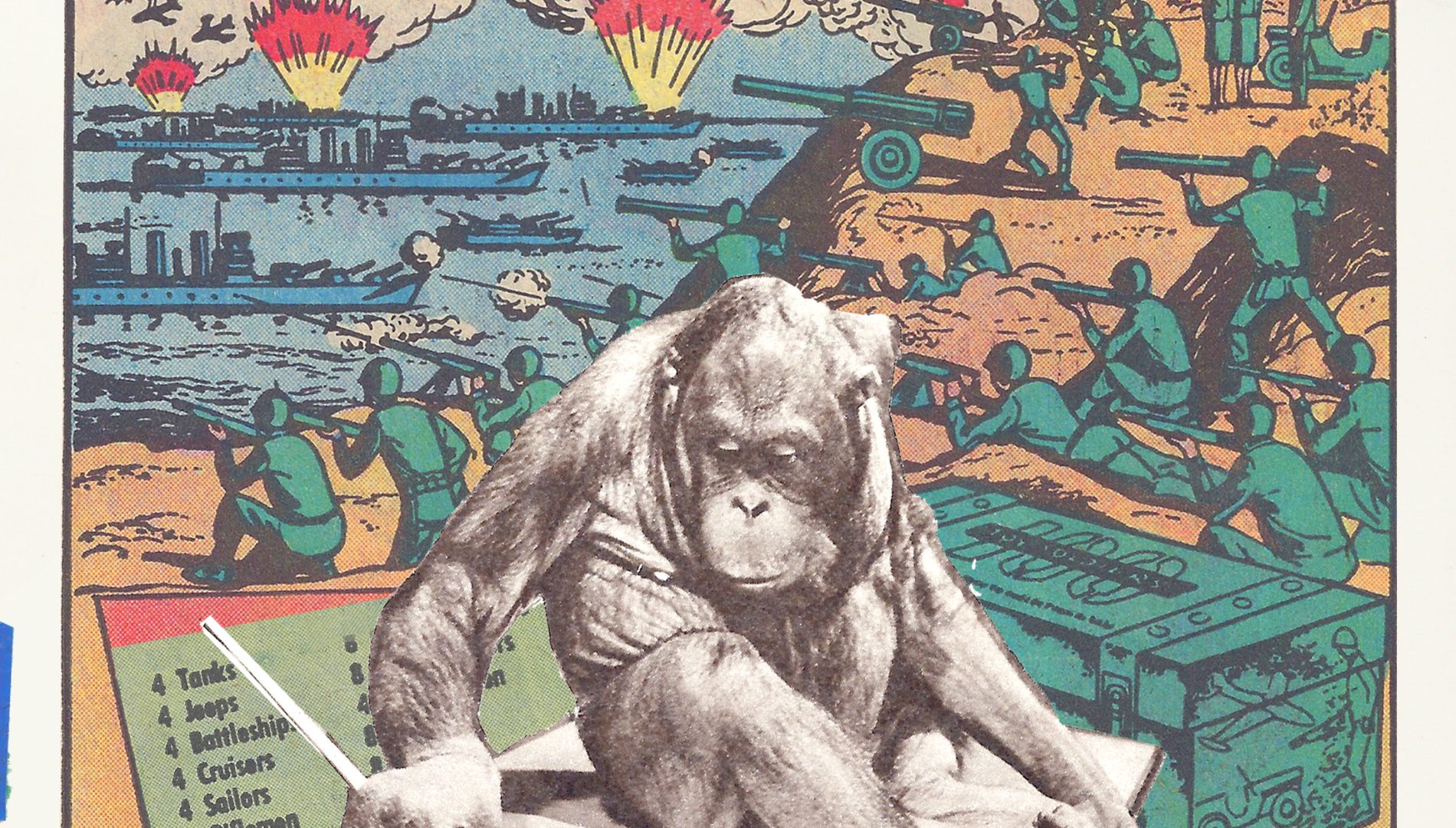
Militarism is baked into our imperial history and economy, yet most people feel ethically queasy about it—or just pretend it’s not there. Arms dealers excuse themselves by saying they only make innocuous aircraft components and bear no responsibility.
The arms industry dominates the story about itself, showing up everywhere with press releases, sponsorships, and glossy narratives. They tactically profit from “flooding the zone with shit,” bombarding the public with flashy stories, technical jargon, and “acceptable” narratives to hide the real human cost of their products.
Art helps us understand and expose these structures—and imagine how they could be transformed. Art can be a subversive tool to push back.
Are there any other artistic campaigns that have inspired or influenced you?
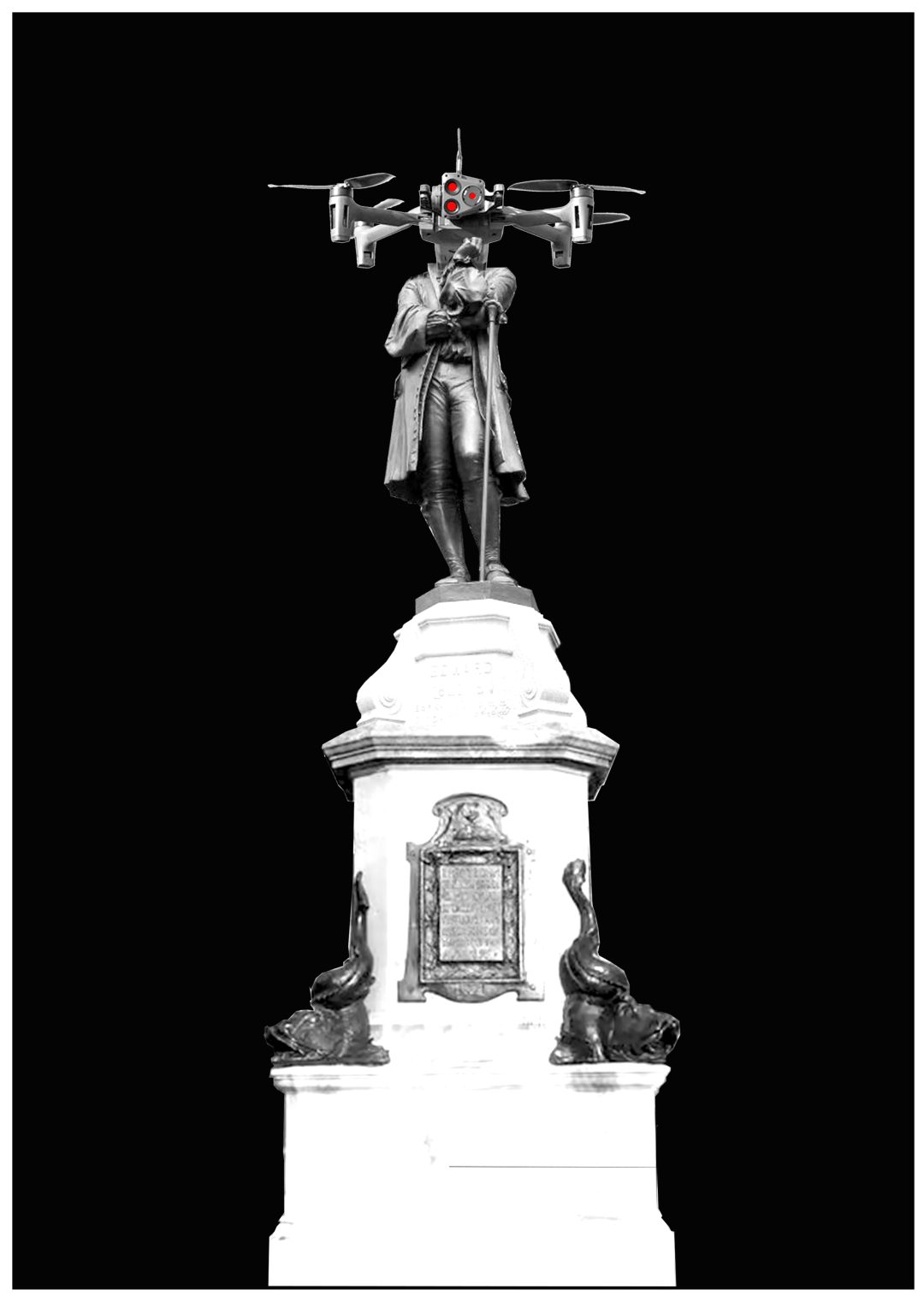
We’re a diverse crew, so our inspirations vary. The political printmaking and puppetry traditions of Latin America, especially the Zapatistas, have been huge. Anti-Vietnam War pieces too.
Some of us grew up in pre-internet, rural England before the internet, when the only education you got was from zines and comics like Crisis, or songs like Dead Kennedys’ Kinky Sex Makes the World Go Round, Gil Scott-Heron’s Work for Peace, Billie Holiday’s Strange Fruit. Joe Sacco’s comics on Palestine and Yugoslavia. Chris Morris and Mark Thomas were subversive as fuck, blasting onto our four TV channels.
Massive Attack gig on the Downs, was bold, unflinching protestation, exactly what you hope to see from multi-platinum artists in front of a home crowd.
What’s the effect of having so many arms companies in the city?
Straight-up corruption. And it affects this country at every level. Like the revolving door between weapons manufacturers, the elected officials who award the contracts, and the Ministry of Defence. You see it with things like Yvette Cooper and Elbit systems top brass not long before the proscription of Palestine Action.
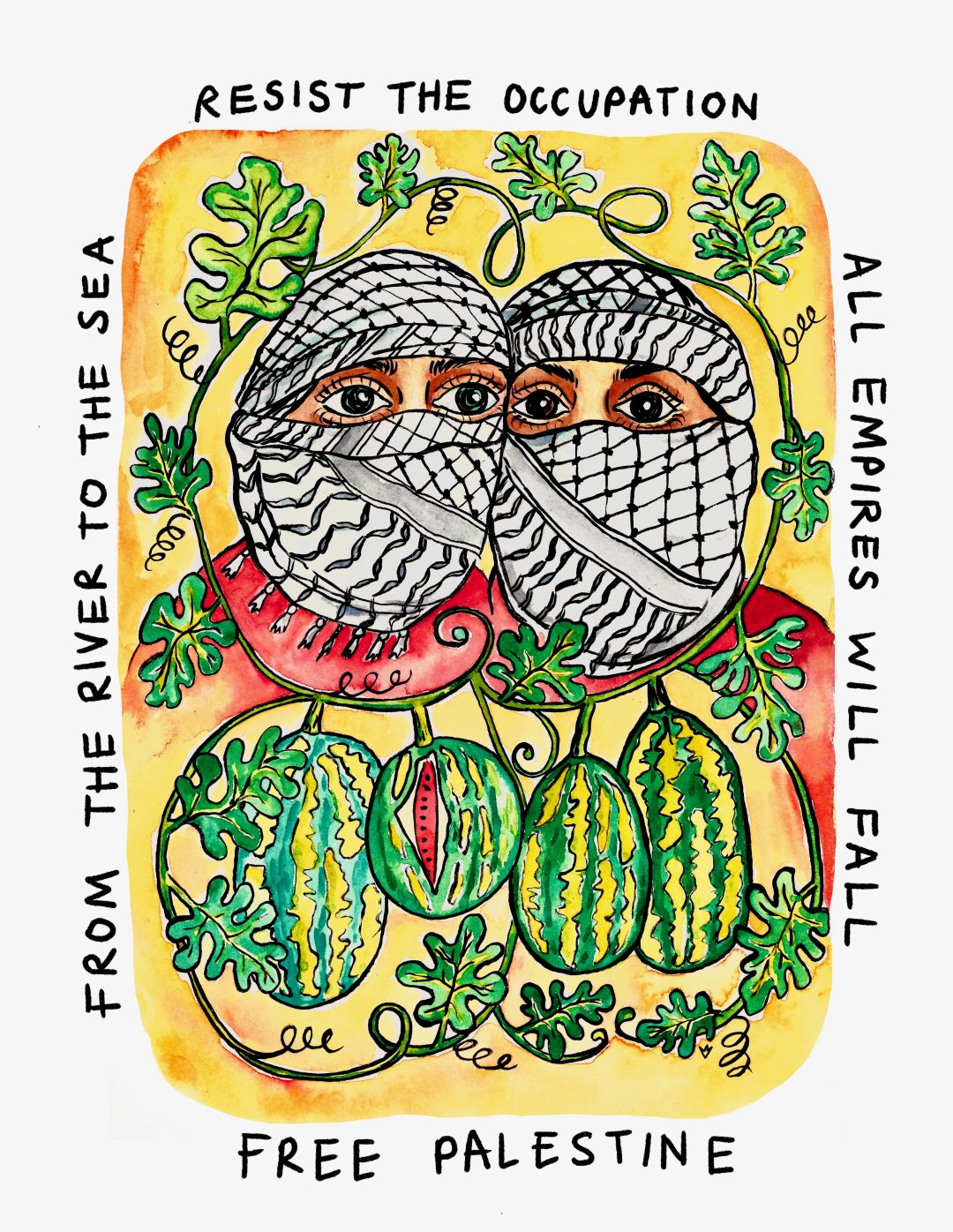
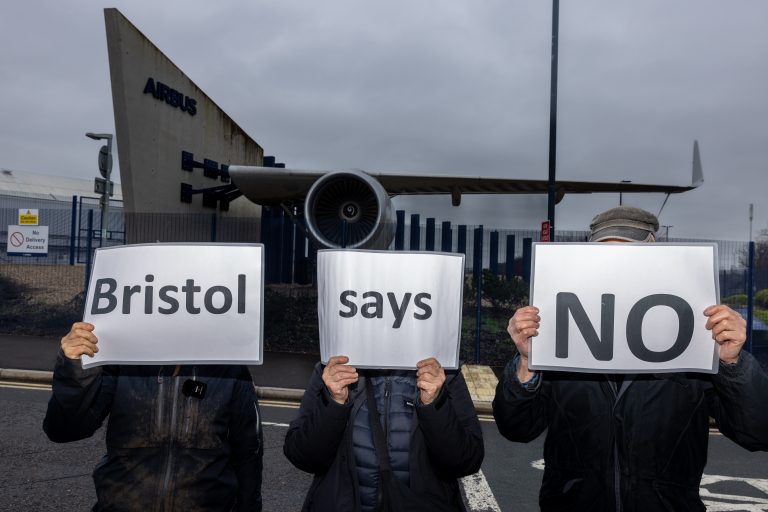
Local council pensions are still invested in arms companies, despite campaigns for change. The science museum is sponsored by them. They promote themselves in our schools and universities. With the prospect of an Airbus-sponsored college in Filton they are clearly seeking to expand that influence to our kids.
Huge financial investment buys them research, influence and access to talent in our universities. One of our members, from a migrant family, studied physics at university. The jobs in Filton would have meant complicity in destroying her family’s homeland. Many neighbours fled wars from Yemen, Sudan, Palestine, Syria, and Kurdistan. Thousands have lost loved ones killed and injured by the industry.
How can you feel valued when producing and supplying weapons to your family’s killers is normalised? As a city, it’s a brutal form of self-harm, tied up in institutional racism and echoing our historic role in the slave trade. The arms trade degrades the humanity of everyone complicit—those involved and those doing nothing. It’s all of our business to get it gone.
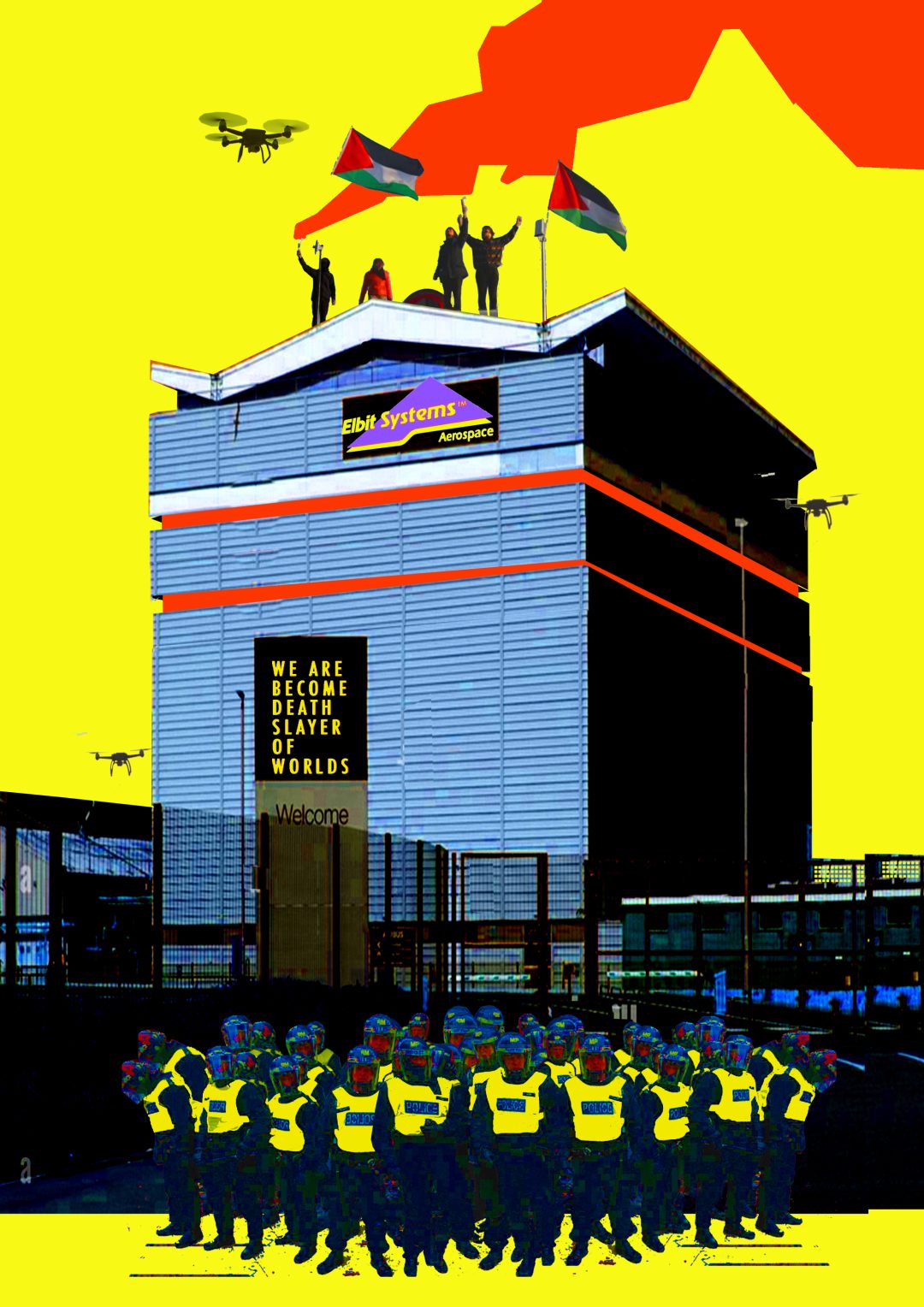
Arms and aerospace employ around 10,000 people. How do you respond to critics who say they’re vital to the economy?
The arms trade is capitalism with its gloves off and pants down. It’s not pretty, and it’s not inevitable.
It’s harder in Bristol than most places to use “business” as an excuse for the inexcusable. The slave trade was once “vital” to the economy, allowing a tiny elite to make obscene profits. There’s a direct line from selling people to extract resources to selling weapons to kill people for resources.
It’s wild that the UK arms industry is effectively subsidised through government export guarantees, yet accounts for only around 1.6% of UK exports. It’s propped up by a political mindset locked into militarism, spending hundreds of hours cultivating ties with some of the world’s most toxic regimes just to maintain sales. At a time of rising poverty and unemployment, a tiny few are making obscene profits.
Do we think art and activism can take down arms companies?
Art alone won’t change things — we need other tactics, like direct action, lobbying etc, but it has a role to play.
For example, Elbit thrives by keeping its activities out of the city’s consciousness. Now, imagine if we unleash our collective creative power to shine a light on them so bright that no right-minded Bristolian can ignore them. We see this as complementing the incredible work of direct action organisations. Acting together, we may yet send Elbit and others packing.
How can people get involved?
Follow Disarmbristol on instagram, watch this space for our manifesto. And in the words of Mos Def: “There’s a city full of walls you can post complaint at”.
This article was amended from the original print version to reflect the recent events at M Shed.
Independent. Investigative. Indispensable.
Investigative journalism strengthens democracy – it’s a necessity, not a luxury.
The Cable is Bristol’s independent, investigative newsroom. Owned and steered by more than 2,600 members, we produce award-winning journalism that digs deep into what’s happening in Bristol.
We are on a mission to become sustainable, and to do that we need more members. Will you help us get there?
Join the Cable today