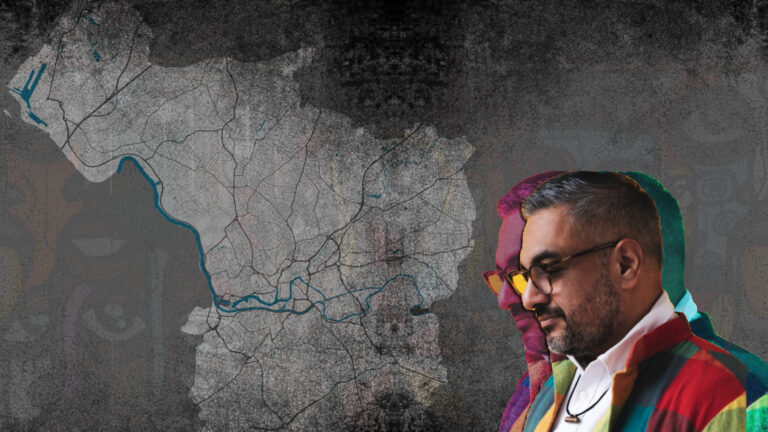


Since coming to Bristol in the 2000s, photographer Colin Moody has become a celebrated chronicler of the city – including in the pages of the Cable.
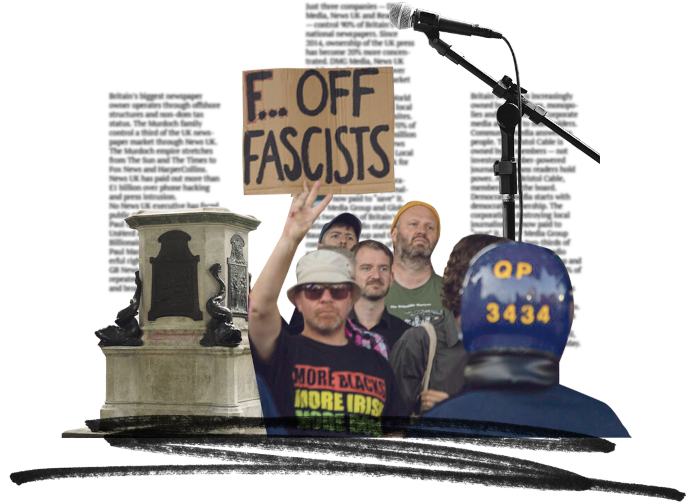
Famously, he is one of the people who documented the fall of Edward Colston’s statue during a Black Lives Matter protest in 2020, capturing the moments when the slave trader’s likeness was rolled into the Floating Harbour.
Colin has also led workshops in street photography – the art, at which he excels, of capturing spontaneous moments – and has published books focusing on some of Bristol’s most well-known locations, including Stokes Croft and Montpelier, and Gloucester Road.
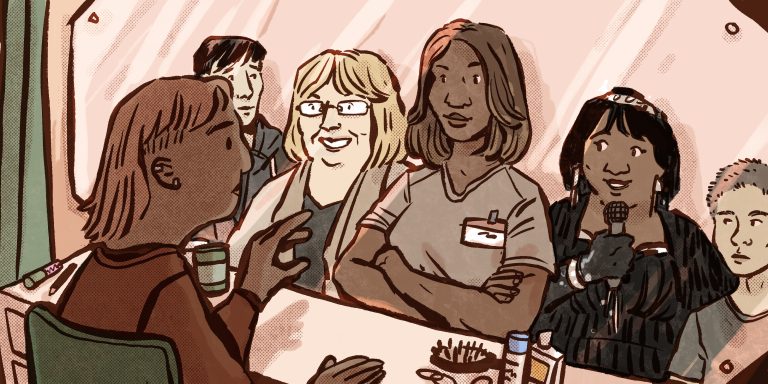
This year, he will have a new one out, in collaboration with BBC journalist Jasmine Ketibuah-Foley. Up All Night, research for which which began shortly before Covid forced brutal changes onto our love of socialising, is a celebration of Bristol’s nightlife, and the different forms it takes across the city’s communities.
It’s a timely project. Across the UK, nightclubs and licensed venues have been reeling in the aftermath of the pandemic. Hundreds have closed their doors as cities have been redeveloped, the cost of living crisis has bitten and people have adopted less hedonistic lifestyles. Here in Bristol, the internationally renowned club Motion is expected to close its doors in July because of its lease not being renewed.
So why does this matter? What makes nightlife so important – and is Bristol’s really as special as the city likes to make out?
In the face of all the challenges, where has Colin found hope for the future… and aren’t a couple of misty-eyed Gen-Xers like him and Neil a bit old to be getting into all this anyway?
For an hour at least, please don’t be going off out anywhere where you need your ears – instead settle in and enjoy the first of the new season of Bristol Unpacked.
Subscribe to The Bristol Cable on Spotify, Apple Podcasts or wherever you get your audio. And check out our other shows.
Comments
Related content
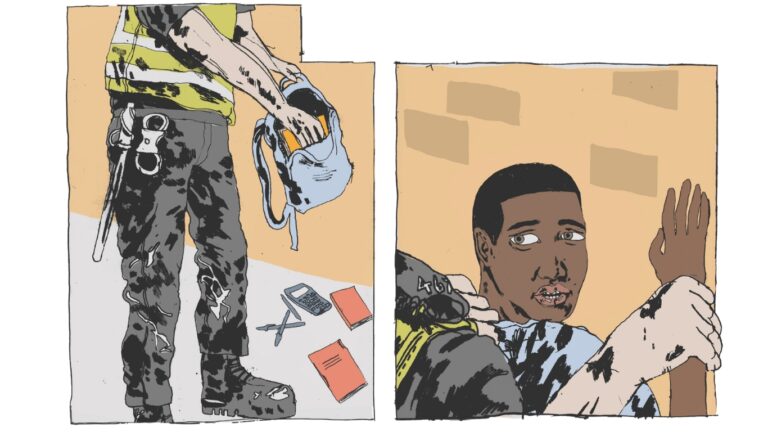
Racist and traumatising: inside a Section 60 suspicionless stop and search operation
Officers searched innocent children, disproportionately targeted people of colour and undermined their anti-racism reforms during a 48-hour police operation in February. Their narrative that it was an effective knife-crime deterrent, done with consent, is misleading.