Sisterhood of sound: 10 years of Saffron
Photos: Lottie Turner
Ten years ago, in a small Bristol office filled with second-hand gear and borrowed energy, a group of women began something that would quietly change the city’s soundscape. Today, Saffron has become one of Bristol’s most important cultural forces — a music tech initiative built by and for women and non-binary people that has redefined who gets to create, perform, and be heard.
When founder Laura Lewis-Paul first imagined Saffron, she wasn’t planning to start a movement. She was working in community development, running a creative programme for young people. A trip to Real World Studios — Peter Gabriel’s sprawling recording space just outside Bath — became a moment of revelation.
“The studio was full of men,” she recalls. “When I asked the young women how they felt about that, they said they thought being a woman would mean more recognition in the industry. That made my heart sink.”
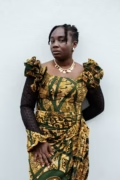
As a brown woman in the creative sector, Laura knew that recognition rarely comes easily. She recalls watching Miss Representation, a documentary that exposed how media culture distorts and limits women’s visibility. This sparked an idea: to create a space where women and non-binary people could learn, collaborate, and thrive on their own terms.
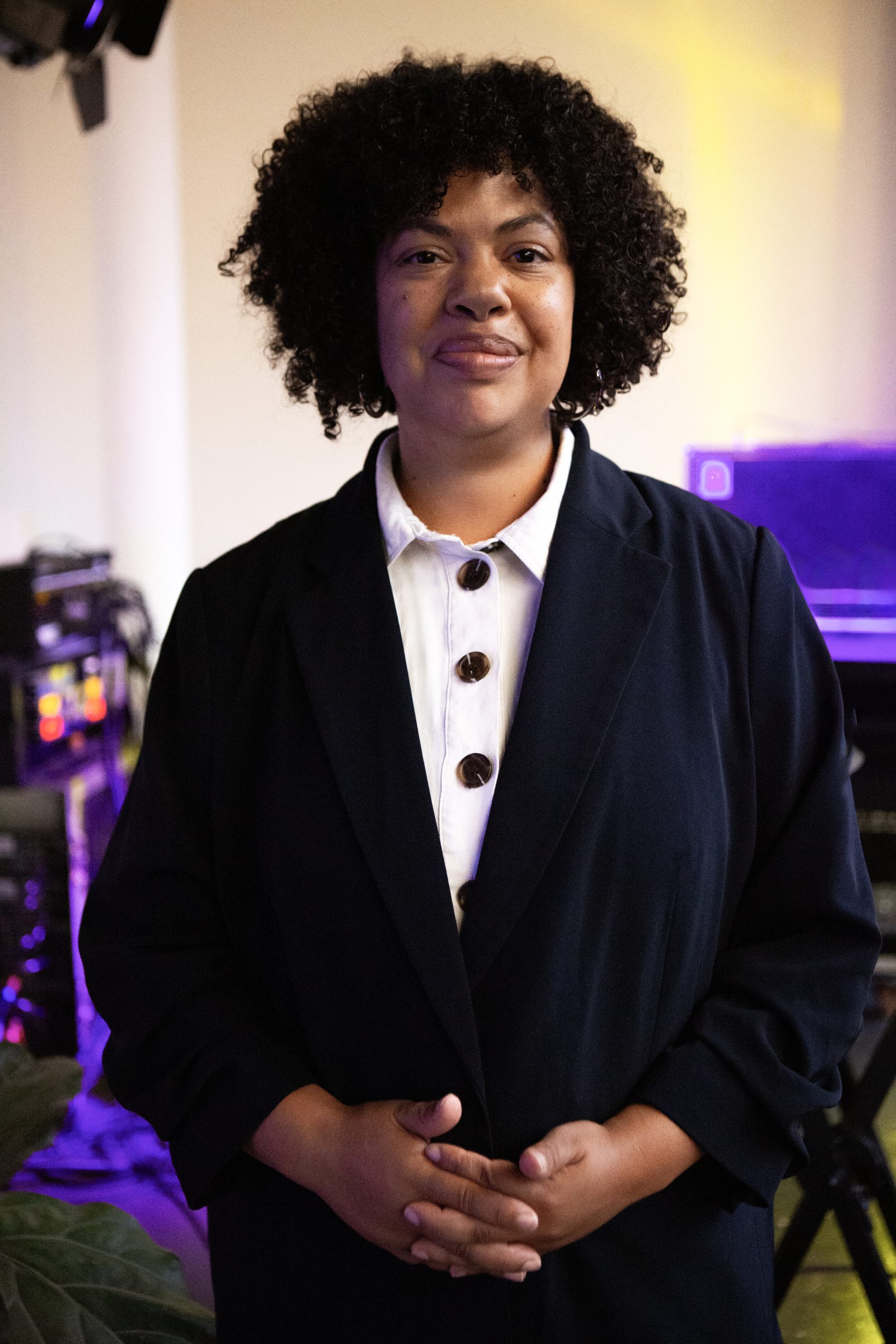
She called it Saffron. “I went through a lot of bad names before landing on it,” she laughs. “But Saffron made sense — you use only a little, and its flavour spreads far. That’s how I think about what we do. Give someone skills, confidence, and community, and the impact ripples out.”
In the beginning, there was no grand strategy — just a desire to build something that felt necessary. “Direction was our first challenge,” Laura admits. “We were trying everything: writing camps, workshops, even projects in Palestine. Collaboration is great, but it can pull you away from your purpose. We had to learn when to say no.”
Over time, Saffron found its rhythm. Its DJ course, Mix Nights, became a launchpad for new talent across Bristol. What began as a series of workshops evolved into a growing alumni network of women, non-binary, and trans creatives reclaiming their place behind the decks and in the studio.
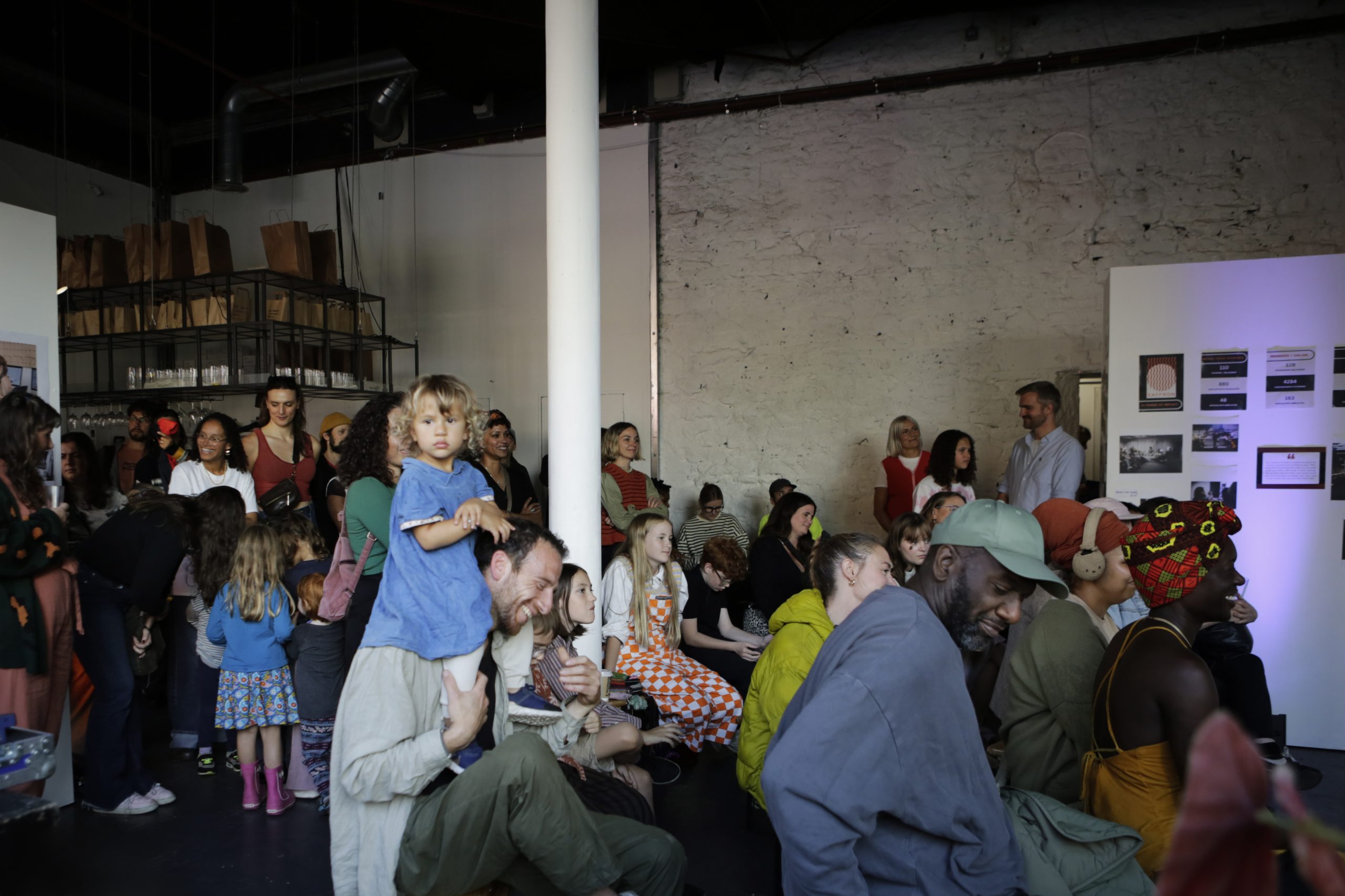
Ten years later, the results are visible across the city. “Before Saffron, most line-ups looked the same,” Laura says. “Now, you’ll find at least one of our graduates on nearly every bill. It’s real, tangible change.”
‘It’s about showing that it’s possible’
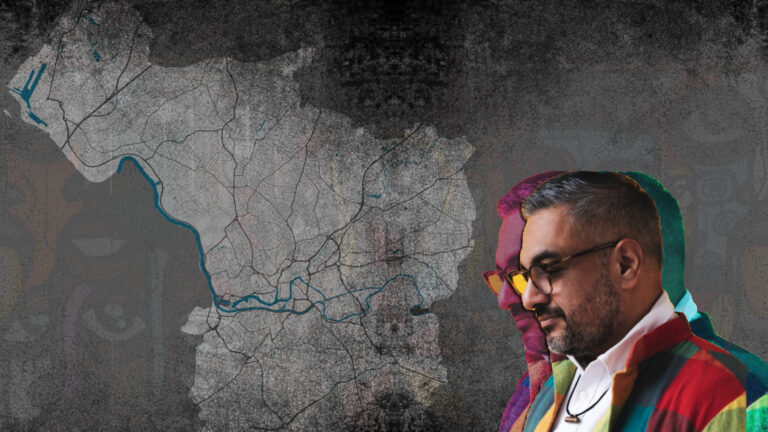
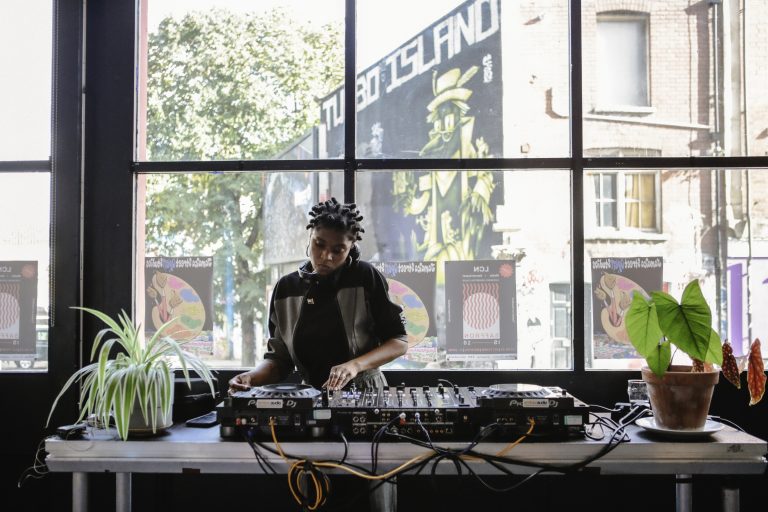
Few people embody that change more than Eyesa (pictured in the cover image), a Bristol-based DJ whose career grew directly out of Saffron’s programmes.
“My name is Aseye, but my DJ name is Eyesa — it’s just my name backwards,” she laughs. “Simple as that!”
“It’s empowering to play alongside women who’ve shared the same journey”
Eyesa
Eyesa first heard about Saffron from a friend who’d done Mix Nights in 2017. “I didn’t apply at first,” she says. “But when the 2019 cohort came up, I thought, ‘Why not?’ That decision changed everything.”
Through Mix Nights and later Saffron’s Radio Broadcasting course, Eyesa built not only technical skills but a sense of belonging. “It made me realise that this world was actually accessible. As a woman, it had always felt far away — something other people got to do.”
She’s now part of Femmes on Decks, a collective of Saffron alumni who have become fixtures in Bristol’s club scene. “That’s when things really opened up,” she says. “It’s empowering to play alongside women who’ve shared the same journey, especially in an industry that’s still about 95% male.”
Eyesa’s path is a testament to Saffron’s ambition of building confidence, connections and visibility. “After gigs, women come up and ask how I got into it. I always tell them about Saffron. It’s about showing that it’s possible.”
Structural challenges
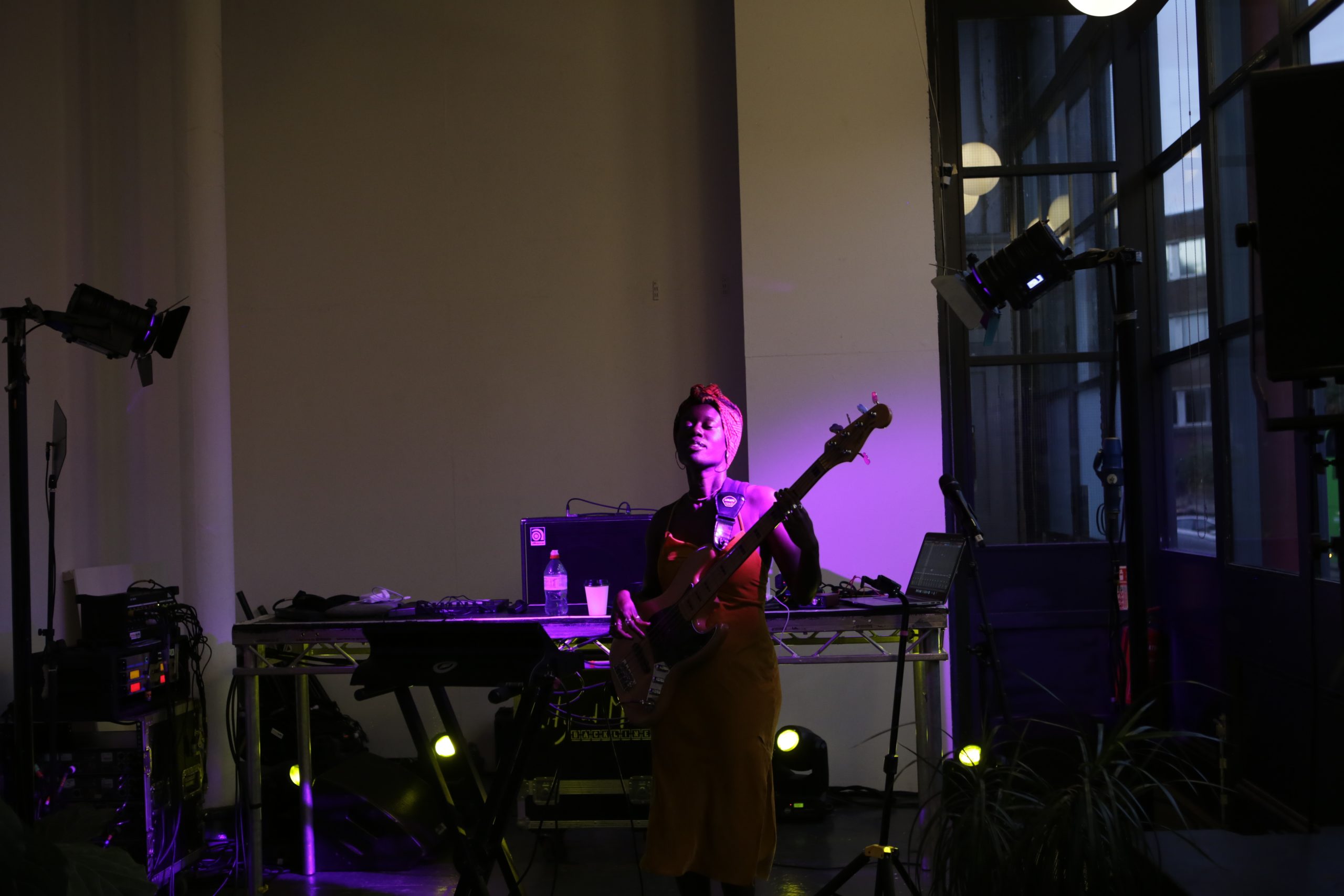
Saffron’s impact runs through Bristol’s musical bloodstream. From collectives like Booty Bass to graduates like Marla Kether, who played bass for Little Simz on the Pyramid Stage at Glastonbury, its influence stretches far beyond the classroom.
For Laura, the shift is not just about numbers. “We’ve created space for women, non-binary, and trans artists to connect and collaborate,” she says. “That sense of belonging is powerful. When trust exists between the community and the industry, creativity thrives.”
That trust was tested in 2023 when Saffron faced a series of funding rejections that left the organisation in crisis. They launched a Crowdfunder — and Bristol showed up. “The support was overwhelming,” Laura says. “It reminded us who we’re doing this for. The industry should be supporting us too — we’re literally training their future workforce.”
For Eyesa, systemic challenges remain. “The music industry is still hard for women — and even harder for Black women,” she says. “People make assumptions about what you should play. I spin house, garage, dubstep — all rooted in Black culture — but it’s not always what people expect.”
There’s also pressure to look the part. Eyesa laughs, but it’s a serious point. “Men can turn up in a tracksuit and be called legends. Women are expected to look perfect. I want to be appreciated for my sound, not my outfit.”
Still, she sees her presence as part of the change. “Two Black girls once came up to me after a set. They’d seen me DJing and decided to stay and dance. That meant everything. Representation matters. It’s one thing to see women DJ, but seeing Black women — that’s powerful.”
Looking back, Laura admits she never imagined Saffron would last this long. “I left school with three GCSEs. I’m dyslexic, so mainstream education didn’t work for me. I carried this story that I was a failure. But Saffron has changed that narrative. Apart from raising my kids, it’s my proudest achievement.”
Next steps
Over the coming decade, she wants to build deeper regional and global connections — and keep pushing for structural change. “We need partnerships that embed our values and support long-term growth,” she says.
Her dream project? A major research initiative to trace how the industry became so male-dominated — and how it can be remade. “We need data to challenge assumptions,” she says. “That’s how you drive real change.”
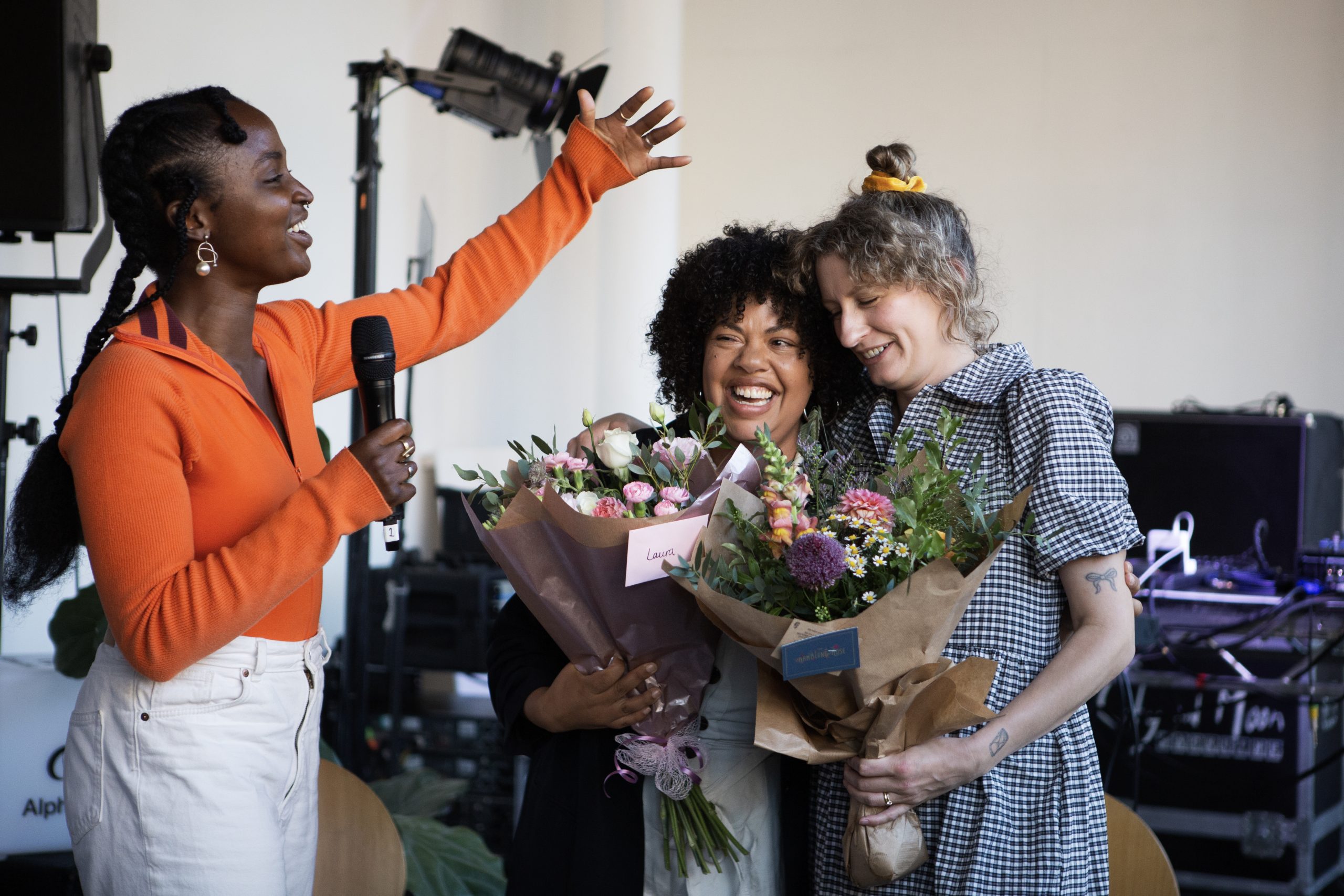
As Saffron celebrates its tenth anniversary, Eyesa reflects on what the collective has meant to her personally. “Saffron gave me community, confidence, and a sense of belonging,” she says. “It showed me that there’s a place for me in music — and that I don’t have to fit into anyone else’s mold to be part of it.”
Ten years on, that sentiment captures exactly what Saffron set out to build: a space where creativity, courage, and collective care come together — and where artists can keep turning the tables, one set at a time.
Independent. Investigative. Indispensable.
Investigative journalism strengthens democracy – it’s a necessity, not a luxury.
The Cable is Bristol’s independent, investigative newsroom. Owned and steered by more than 2,600 members, we produce award-winning journalism that digs deep into what’s happening in Bristol.
We are on a mission to become sustainable, and to do that we need more members. Will you help us get there?
Join the Cable today