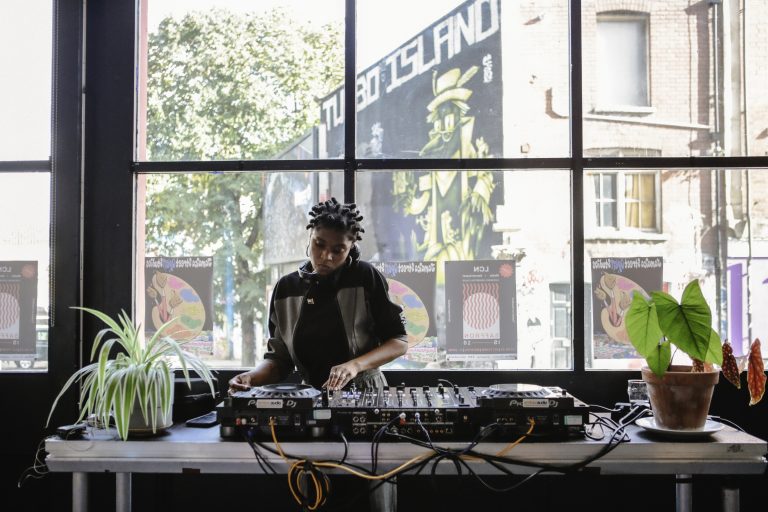


It’s more than a decade now since Levanna McLean went viral on YouTube with videos of her Northern Soul dancing around Bristol, shot by her mother Eve Arslett.
Social media fame, which saw Lev rack up millions of views and led to a Brit Awards appearance with Pharrell Williams, has in recent years crossed over to the legacy media for her and Eve, co-founders of Bristol Northern Soul Club and this week’s Unpacked guests. Their nights have over the past three years been at the forefront of a bubbling resurgence in the music and culture that first came together in the clubs of Manchester and Wigan in the 1960s and 70s.
After catching the attention of local media here in Bristol, followed by BBC Woman’s Hour, the Times and other UK outlets, in May the New York Times put Lev and Eve at the centre of an in-depth piece hailing Northern Soul as ‘the music making generations dance’. While the ‘Gray Lady’ of the US press has previously carried a picture of the Old Market roundabout, it is as far as we’re aware the first time that the Eastville Club – where the pair put on some of their events – has graced its pages.
Music – as Neil can well remember from his youth – has often been a dividing line between parents and their children. So how is it that a scene forged aeons ago around digging for rare soul imports, and athletic dancing – and not known for its inclusivity – has brought together not just Lev and Eve but a large, intergenerational group of devotees?
Why, also, has Bristol become something of an epicentre for Northern Soul’s most recent resurgence – to the point where ‘a lady from LA’ recently made a pilgrimage to the Eastville Club? And could Neil’s knees, schooled in hip-hop dancing but knackered by years of football, really retain the stamina to set the venue’s parquet flooring ablaze?
Join us for an Unpacked first – the only time to date that we’ve taken on two interviewees at once – as we get into a deep discussion with the Bristol Northern Soul Club founders into why the music, culture and moves have inspired such fierce devotion down the years. And don’t worry, we’ll be getting our teeth firmly back into politics next time out…
Subscribe to The Bristol Cable on Spotify, Apple Podcasts or wherever you get your audio. And check out our other shows.
Comments
Related content



Listen: Bristol Unpacked with Edson Burton – what is culture and who does it belong to?
As Bristol vies to be 2029 UK City of Culture, Neil sits down with, writer, performer and historian Edson to ask what culture means in the city and the UK, and whether we can find a common understanding to unite around