Exclusive: Council denies structural issues identified four years ago are root cause of tower block evacuation
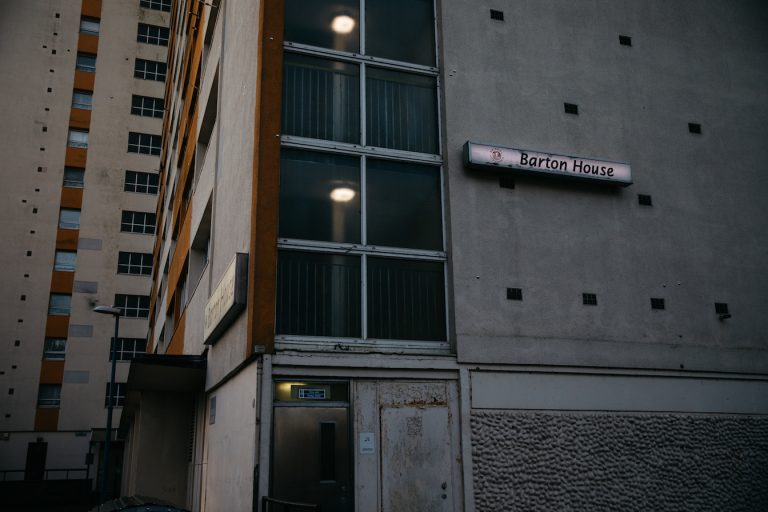
Photos: Alexander Turner


Bristol City Council has denied that safety defects identified four years ago are the main cause of an evacuation at a Barton Hill tower block this week.
More than 400 residents were told to leave their homes in Barton House on Tuesday 14 November after the local authority announced there was a “risk to the structure of the block” in the event of a fire, explosion or large impact.
Surveyors’ fire safety reports obtained last year by the Cable showed the council was warned in 2019 of problems with steel structures in the 65-year-old building that were likely breaching building regulations.
But a council spokesperson told the Cable on Wednesday evening that those previous concerns were just “part of a web” of issues with the ties holding the block together, most of which had come to light in the wake of new surveys. They said senior officers were only made aware of the seriousness of the problems on Monday afternoon, and that the authority had little choice but to evacuate while the extent of the risks is assessed.
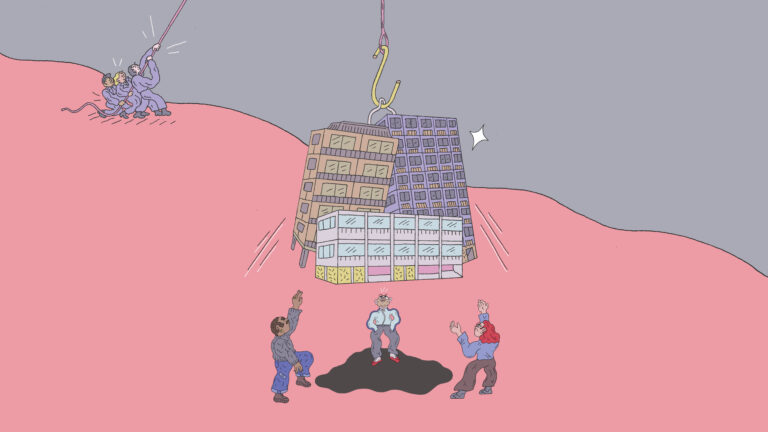
Barton House is one of only five Bristol high-rises built using a so-called large-panel system (LPS) – a type of structure that has been likened to a “house of cards made from concrete panels”. Leaked meeting minutes published this week revealed that experts told government ministers in 2021 they were worried about risks posed by ageing LPS buildings, which may not have been properly strengthened.
This week’s emergency came almost exactly 54 years after residents of Barton House and other Bristol blocks were told to move out for a time following the 1968 Ronan Point incident, where an east London tower built using an LPS system partially collapsed after a gas explosion. Four people lost their lives.
What did the reports on Barton House find?
The 2019 fire safety assessment at Barton House obtained by the Cable was carried out by surveyor Easton Bevins in the wake of the Grenfell Tower tragedy. As part of the assessment, structural fire integrity was reviewed by surveyors “to ensure the building will not collapse”.
The report concluded the building’s original concrete structures comply with regulations. But it found huge steel beams located throughout Barton House, a number of them beneath floor slabs, were not compliant unless it could be proved they held no structural significance.
“Additional steel beams and columns have been added in [a] variety of locations,” the report says. “The exact purpose of these steels is not clear, but it must be assumed they are an essential part of the structure of the building and therefore require the same level of fire protection as the original concrete structure, i.e. 120 minutes.”
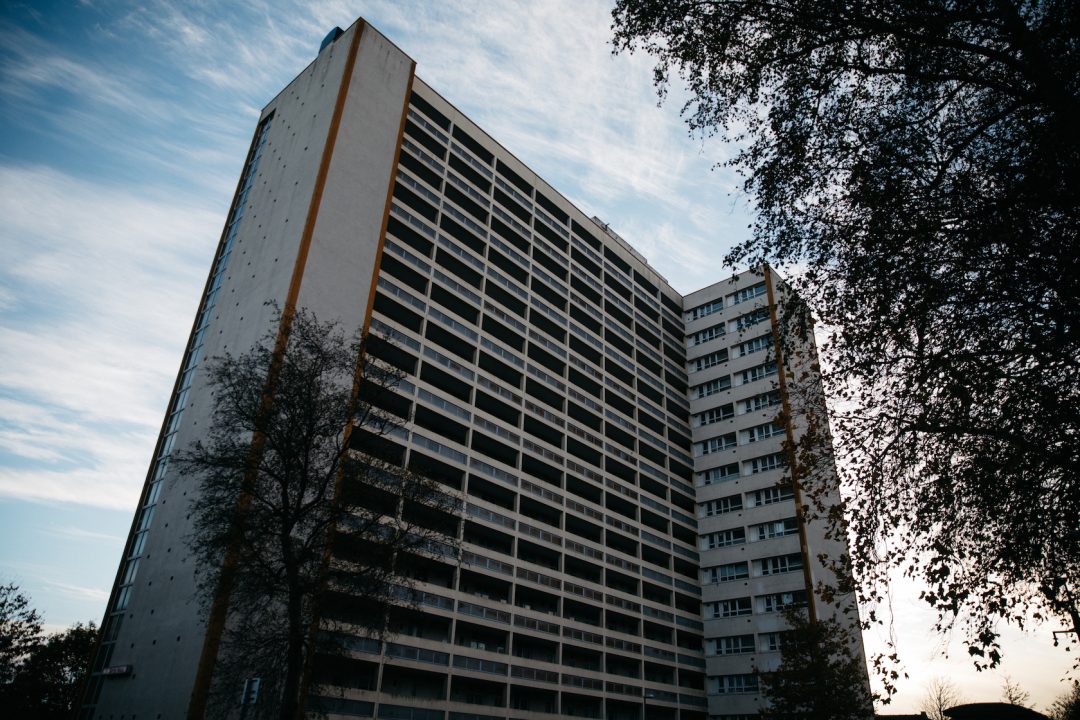
The report found the beams in Barton House were likely installed after the Ronan Point disaster. A response by the council to a 2018 freedom of information request confirms that concrete repairs and strengthening works were carried out at Barton House, along with four similar blocks in St Jude’s around 1970. The response indicated that no structural survey of the blocks had been carried out in the intervening 48 years.
Steel beams are not inherently fire resistant, Easton Bevins’ report noted, meaning they need to be protected from heat in order to safeguard their structural integrity. It recommended that the “boxing and the standard of jointing and sealing” of the beams needed improvement to make them more fire resistant, provided they were in fact required to achieve 120-minute resistance to fire.
The report also found steel beams next to a lift were exposed with “no fire protection” and others needed further isolating if they were to be fully protected.
Another document, titled ‘Resident Summary’, which the Cable assumes was intended to be shown to Barton House residents back in October 2019, contained no reference to the high rise’s structural issues: “This review has determined that with the recommended modifications and remedial works the overall fire safety in the building will meet current guidelines and allow for safe containment and escape”.
The Cable understands that the changes needed to upgrade the structural beams, which were not marked as urgent, were not due to be completed until 2025, at least six years after they were discovered.
What has the council said?
On Wednesday the council’s spokesperson said that the surveys that led to the evacuation of Barton House were not linked to the Easton Bevins reports. “[They are] distinct – part of a review of the [council’s] older blocks to inform decision-making on future options for their continued use,” the spokesperson said
New, intrusive surveys of three of the block’s 98 flats had uncovered unexpected defects and left the council unable to trust its own records, including blueprints for the building, they added.
“What’s emerging is that the block has not been built to the original 1958 design [and] whatever paperwork we have, we cannot rely on,” the spokesperson said. “All the information we have about how the building fits together now has a question mark over it.”
The spokesperson said senior council officers had first been briefed on the problems on Monday afternoon, 24 hours before the decision to evacuate was given. The Cable has asked Avon Fire and Rescue for full details of the advice it gave to the council, which has not yet been made public.
“We had to weigh the panic and confusion felt by residents being told to leave against a substantial risk we think is there,” the council’s spokesperson said, adding that a true picture of the building’s safety would only become clear after the rest of it had been “dug into”.
Earlier on Wednesday, Kye Dudd, Bristol City Council’s cabinet member for housing, told BBC Radio Bristol that given five previous fires in high-rises over the past year, the level of risk at Barton House was “not acceptable”.
Dudd said he had received a report from a structural engineer on Monday highlighting issues with the “concrete sections and how they are tied to the supporting walls”.
Bristol’s mayor Marvin Rees said in a blog on Wednesday afternoon there was an “apparent lack of structural ties between the floors and the load-bearing external walls” and that these structural elements had a “lower fire resistance” than set out in the original building plans.
The mayor added that further surveys would now take place at Barton House, which would determine if and when residents can return to their homes. “The surveys will take us some time to complete, so residents will need to be away from home while they are carried out,” he said.
The Cable is currently raising money for the residents of Barton House. Find out more.