

Content warning: includes discussion of hate crime and grooming gangs
This week Bristol Unpacked welcomes Muslim chaplain Rizwan Ahmed to get into a subject that’s sparked fierce debate of late: Islamophobia – and in particular, the government’s intention to lay out an official definition of it.
Proponents argue that such a definition is essential against a backdrop of rising hate crime, which in the year ending March 2024 saw two in five of religious hate crimes targeting Muslims, according to government statistics. A definition proposed in 2019 by the All-Parliamentary Party Group (APPG) on British Muslims says: ‘Islamophobia is rooted in racism and is a type of racism that targets expressions of Muslimness or perceived Muslimness.’
But that formulation – and indeed the idea of a distinct definition of Islamophobia – has outraged sections of the right and some free speech campaigners. Critics allege that formalising such a definition could stifle debate and close down legitimate criticism of the Islamic faith.
Rizwan, a director at the Bristol Muslim Cultural Society (BMCS) – and like Neil, a native of Easton – has spent years working with many different groups of people to demystify his faith, and challenging people’s preconceptions of it.
But what is Islamophobia, and how does it differ from other forms of racism? How much do people in the UK really know about the Islamic faith, beyond often inflammatory headlines? Have well-meaning people on the left sometimes unwittingly stoked prejudice through a reluctance to encourage legitimate questioning and challenge? And how, at the risk of coming over all hippy, can we all get on better whatever our beliefs?
Pull up a chair and turn over your ears for a fascinating and challenging debate on faith, identity, politics and more…
Subscribe to The Bristol Cable on Spotify, Apple Podcasts or wherever you get your audio. And check out our other shows.
Comments
Related content
The rise and fall of Bristol Patriots
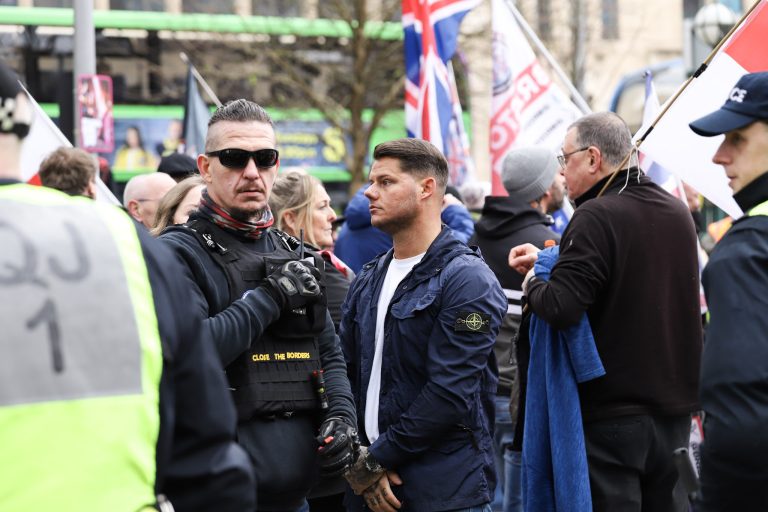
For almost a year, Bristol Patriots have led a campaign of harassment and intimidation in our city. But after last week’s hate-filled demo exposed their true colours, with out-and-out neo-Nazis, a child sex offender and bank robber in their ranks – is this finally the end for them?



Listen: Bristol Unpacked with Edson Burton – what is culture and who does it belong to?
As Bristol vies to be 2029 UK City of Culture, Neil sits down with, writer, performer and historian Edson to ask what culture means in the city and the UK, and whether we can find a common understanding to unite around


Hurt people, hurt people: The hidden lives of children behind bars
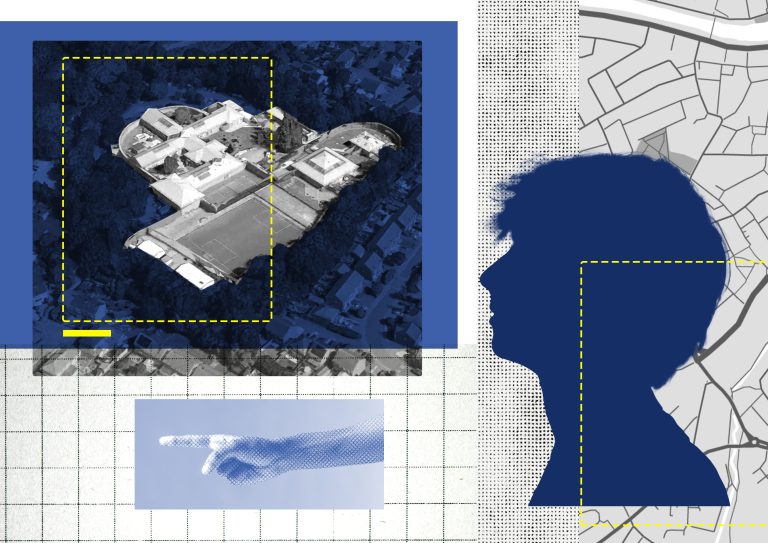
At 10 years old, England and Wales has one of the lowest ages of criminal responsibility in the world. Here we offer a glimpse into child incarceration, the school to prison pipeline and stalling youth justice system reforms. Starting here, on the outskirts of Bristol...