An end to blind eyes around human trafficking?

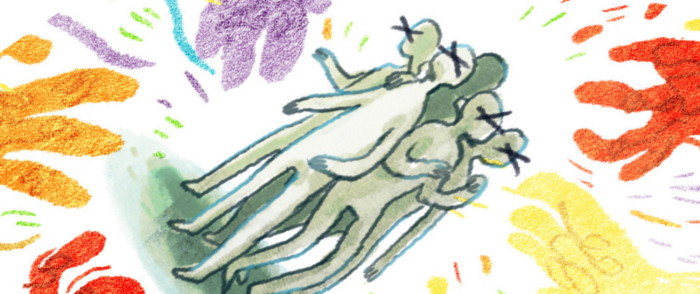
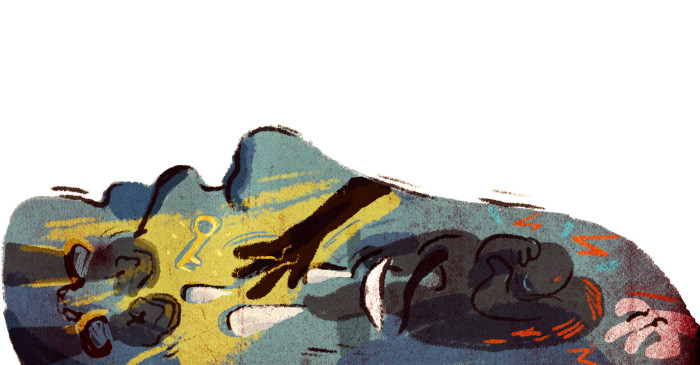
In a potentially groundbreaking case, Bristol council has taken responsibility for the welfare of a trafficked woman. Will it signal a change?

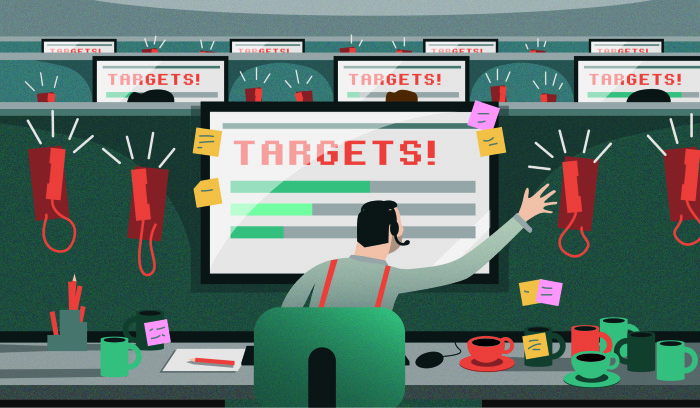
Talking on the clock: Bristol’s ‘new factories’

Despite perks, testimonies of call centre workers show old­fashioned working methods continue today.

Bristol: a city of shirkers, or over-workers?

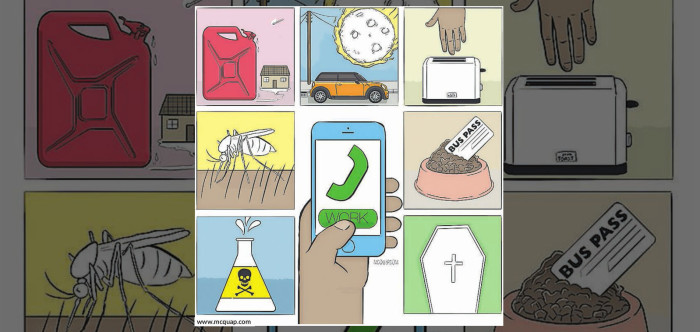
How do you claw back a little time from the grind?

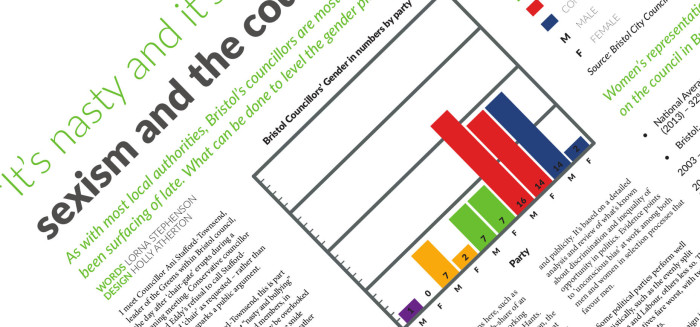
‘It’s nasty and it’s bullying’: sexism and the council

As with most local authorities, Bristol's councillors are mostly male – and some bad attitudes have been surfacing of late. What can be done to level the gender playing field?

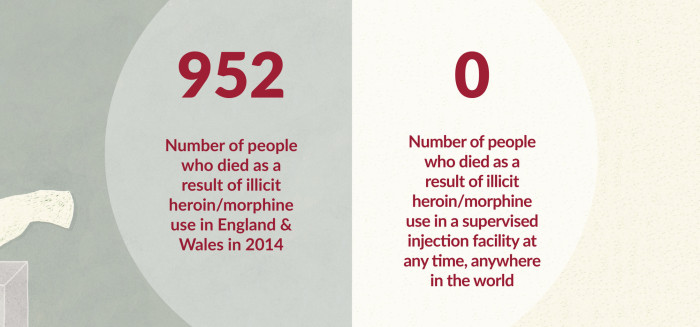
A place to shoot up

How the UK’s drug policy is lagging behind other countries’ “Injection rooms for addicts to open next year in drug law change,” says Irish minister

A year of insightful Features. Our pick

Like what you read? Join the Cable now thebristolcable.org/membership/ Gangs in Bristol: Beyond the headlines (issue 2)  Speaking to former gang members, youth workers, the police, and...

Ambition and challenges of Council-owned energy company

Can Bristol’s new publicly-owned energy provider make its mark in such a tough sector?

Residents fight smokescreen power plants

Bristol residents are fighting proposals to build new power stations in urban areas. Why are these new dirty power stations planned in the Green Capital, and at a time of climate crisis? And why are the plans being kept so quiet?

Holding Green Capital accountants to account

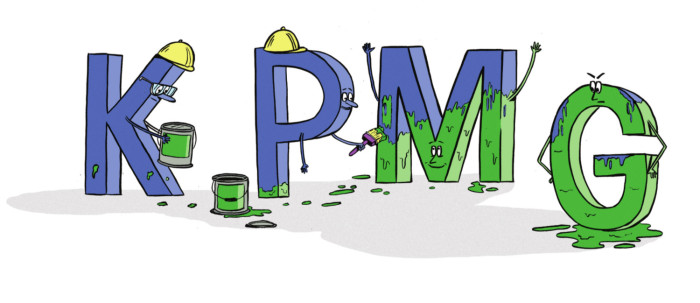
In August 2014, it was announced that KPMG would be one of Bristol Green Capital's (BGC) private sponsors, alongside First Group. Details of what, exactly, this sponsorship entails are yet to be made public.

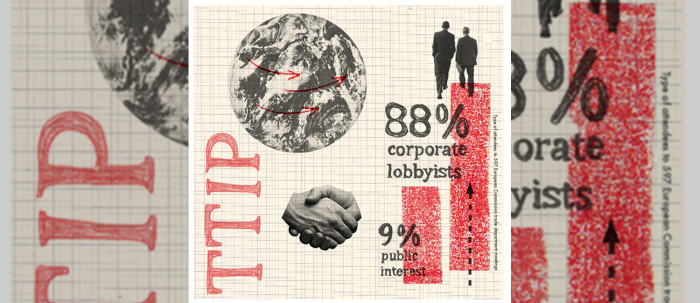
TTIPing the balance

Are secret negotiations further tipping the balance in favour of corporate power?

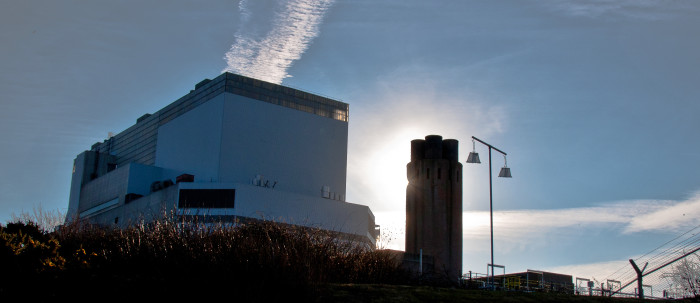
Bristol: Living in the nuclear shadow

The future of a new nuclear power station at Hinkley Point, near Bridgwater, hangs in the balance – as does Bristol’s safety.

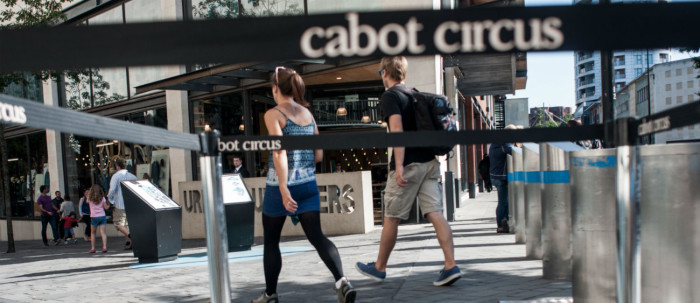
Who owns Bristol?

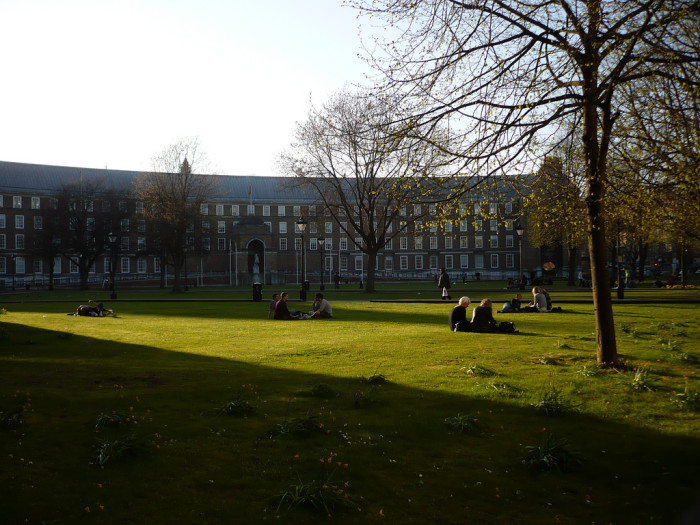
What happens when public spaces become privately owned?