‘Children are totally different here’
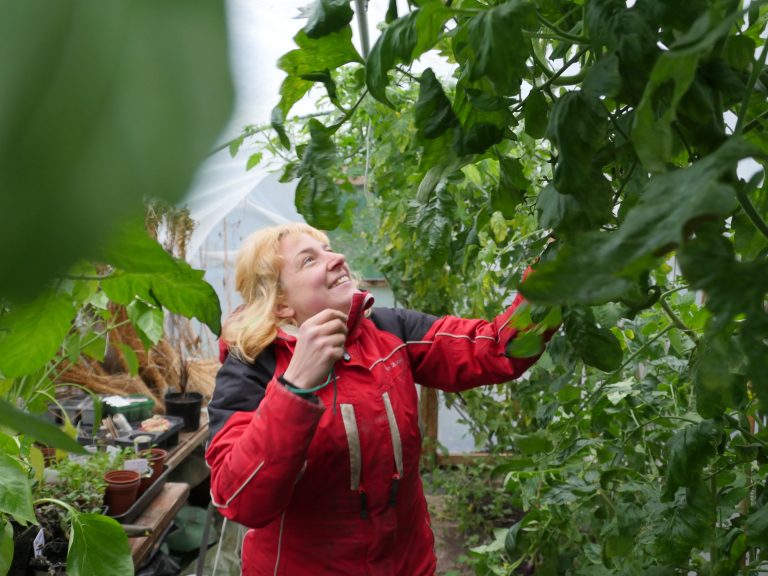

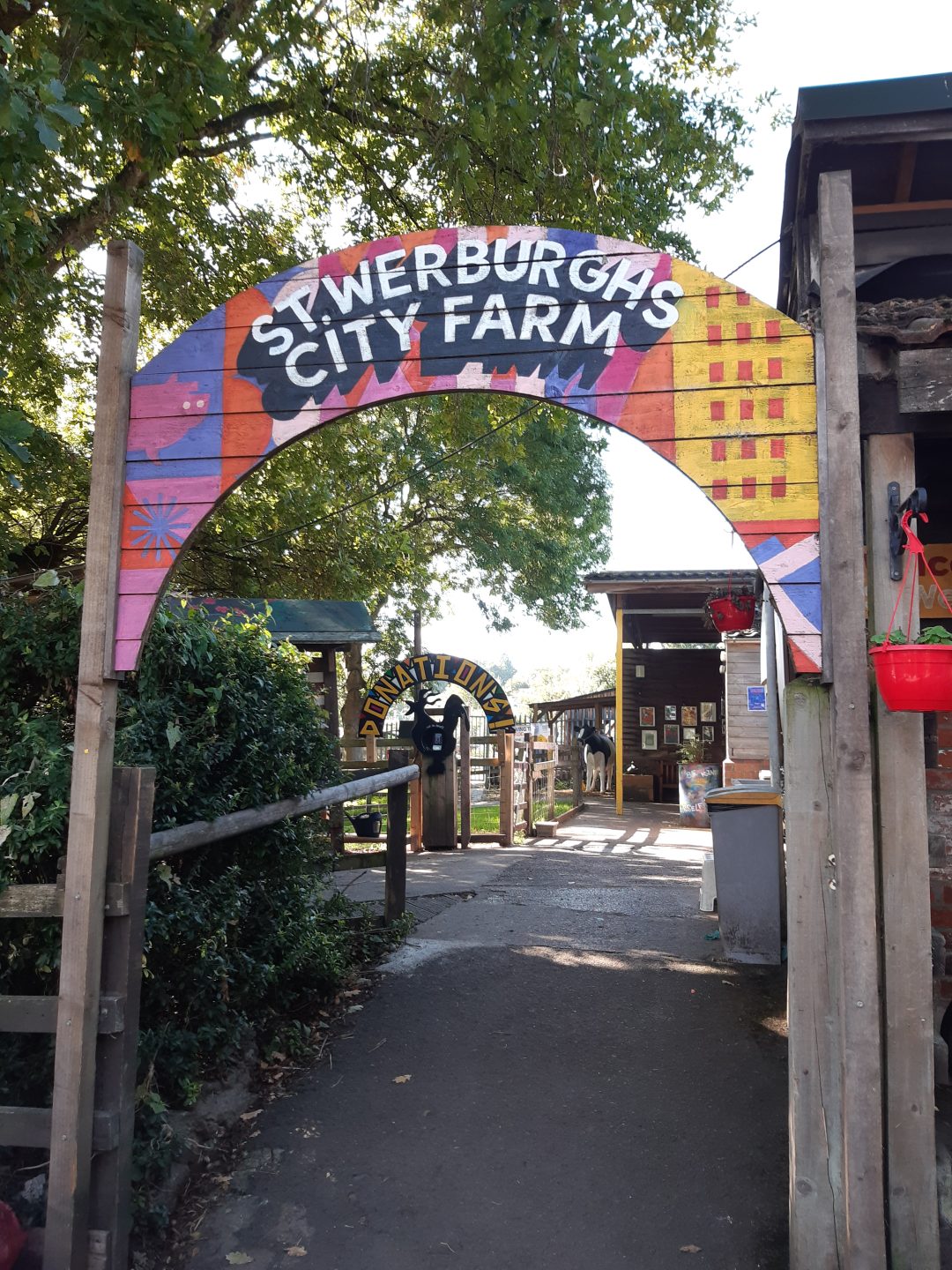
It’s a bright, warm October morning when I visit St Werburgh’s City Farm, the kind that makes you think Autumn’s not so bad after all. Next to the classroom is a shelf of wellies and a full-size plastic cow with rubber udders you can ‘milk’.
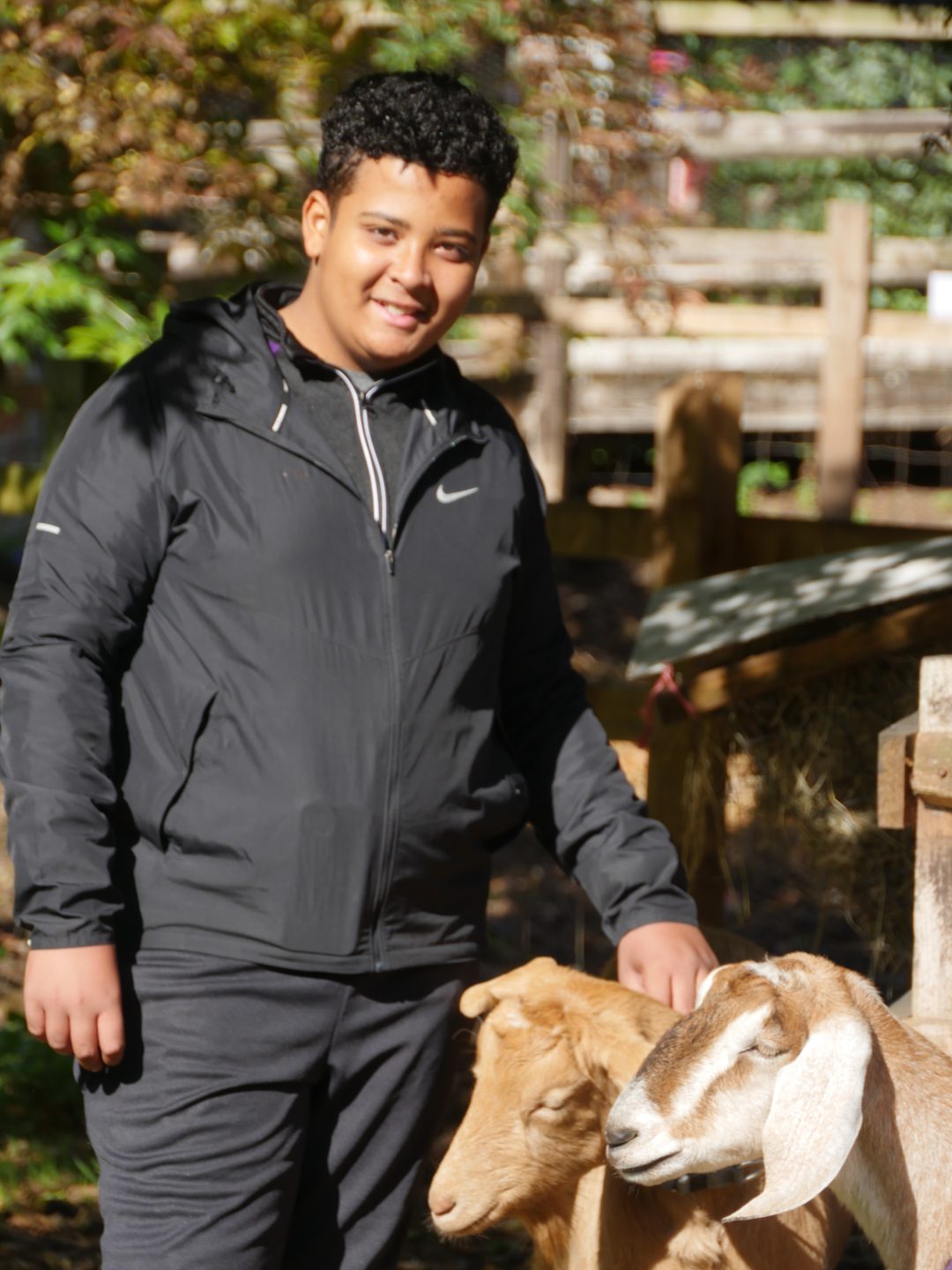
My tour guide is 13-year-old Jayden, who leads me down a path past pigs, chickens and guinea pigs. His favourite animals are definitely the goats: “Crumble is more confident, she’s very greedy. Carrot’s a bit more shy but she’ll come to you.”
For the past four weeks, Jayden has been attending the Work2Learn Animal Care course for 11–17-year-olds needing a break from mainstream education.
Children struggling at school — for reasons ranging from special educational needs (SEN) and early trauma to difficulties with socialisation — are referred by schools or parents and typically attend for around six months. The £75 sessions are covered by pupils’ Education, Health and Care (EHC) plans, which fund extra support for children and young people up to age 25.
The UK is increasingly embracing outdoor learning as an alternative to traditional classrooms. Inspired by the Forest School philosophy — which began in Denmark in the 1950s and took root in the UK in the 1990s — its ethos is connecting with nature while building confidence, resilience and a sense of belonging.
Since the first Covid lockdown, Forest Schools have proliferated, with more than 200 now in the UK. So what are the city farms and Forest Schools in Bristol offering that other schools don’t?
‘It feels like a place to belong’
Jayden also attends the Work2Learn Café on Tuesdays, where he cooks and serves dishes. It’s good work experience, he says. “And people skills as well. You’re meeting new people almost every day.
“At first, before I really knew many people, it was a bit challenging, because it’s kind of awkward. But I’ve got to meet everyone now and they’re really nice.”
Child and youth co-manager Celeste loves to see children grow in confidence. “They often start off shy and nervous,” she says. “After a few sessions they’re greeting staff, checking on the animals, asking if Crumble has had her baby yet… It feels like a place to belong.”
It’s important, she adds, that children leave with a sense of achievement: “It’s not just that they have a lovely time, but they also feel a bit challenged.”
Isabel, Head of Operations, sees the same transformation: “You get reports of children who really struggle to behave or sit still, and here they’re just a pleasure… They’re totally different.”
Celeste explains how the open space helps children who find classrooms overwhelming. “The physicality of being outside and able to move around in a way that you just can’t in a classroom. That makes people feel good at the end of the day — tired, but in a good way.”
St Werburgh’s is one of Bristol’s four city farms, alongside Lawrence Weston, Windmill Hill, and Hartcliffe. Though surrounded by the city, they feel a world away.
Isabel says the farm is designed to be a stepping stone to the countryside for young people, adding: “sometimes it’s the first time they’ve seen animals.”
Windmill Hill City Farm in Bedminster hosts school visits, SEN clubs and community events. It was the first in Bristol and second in the UK, and will celebrate its 50th anniversary next year.
Things were looking a bit bleak… loads of services had been cut and everyone was at home all the time
“As children care for animals and plants, their confidence and language improve,” says outdoor learning manager Nicky. The sessions are hands-on — digging, planting, harvesting, or collecting eggs. “You can read about apples in a book, but when you make juice from ones you’ve grown, it sticks.”
Many of the children struggle with SEN, trauma or anxiety. “There’s a wonder in animals,” Nicky says. “But it’s also the teamwork and practical work that build confidence.”
Eddy, wellbeing lead at the recently reopened Hartcliffe Farm, says farms provide a “soft fascination”, focusing on nature to soothe overstimulated minds.
‘There’s real magic to be had here‘
It’s raining hard when I arrive at Birch Collective’s Fresh Air Thursday session at Strawberry Lane allotments. Many outdoor learning projects in Bristol cater to younger children, but Birch Collective focuses on 16- to 25-year-olds. As well as Fresh Air Thursdays, they run sessions for mixed-age groups in Troopers Hill woods on Tuesdays, and an annual camping trip.
The group huddles under a wooden shelter. I’m told it’s a smaller turnout than usual, but I’m impressed anyone made it out at all given the downpour. I dry off by the fire with a cup of tea, as someone melts chocolate for cornflake cakes.
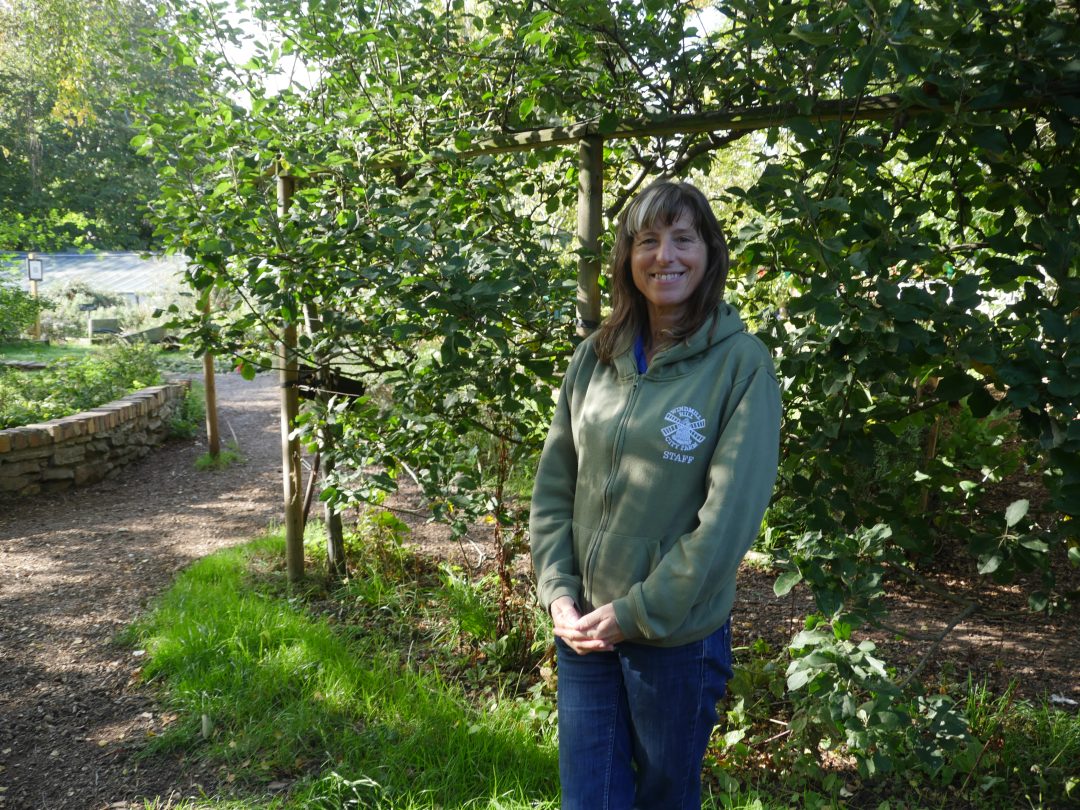
“It’s an exciting age group,” says co-founder Ro. “You’ve spent your whole life in school being told what to do, and then suddenly you leave and it’s like: ‘Okay, you’re an adult now.’ I really struggled with that transition.”
Birch began during the pandemic to get young people outside. “Things were looking bleak,” Ro recalls. “Loads of services had been cut, everyone was at home all the time. This felt like a perfect opportunity to do some nature connection.”
By the fire, Emmy makes clay pots. They’ve been coming for two years. “Being around nature will always be helpful,” they say. “But it’s also that it feels safe here. There’s no pressure to do anything in particular, but there’s lots to do.”
“My experience with the NHS is basically just: you’re fine, fuck off,” they add. “But here, it’s not just sitting and talking about why life is shit. [Being] here actually helps my mental health, unlike anywhere else I’ve been.”
Ro says sessions like these can open young people up to new worlds, especially those who’ve never spent time outdoors before: “There’s real magic to be had there.”
I leave with a cornflake cake, smelling of woodsmoke, just as the sun breaks through.
A ‘patchwork quilt’ of funding
In Bristol, demand for Forest School initiatives is clear, yet like many youth services, they rely on inconsistent funding.
Birch Collective’s recent funding bid will cover 70% of its running costs over the next three years, allowing for some stability and forward planning. Yet, as Eddy notes, funding remains precarious for many initiatives: “It’s a patchwork quilt of different funding pots… it might be there for a year, but then suddenly the plug’s pulled.”
But Forest Schools are effective: research by the New Economics Foundation shows children gain confidence, sharpen communication and develop problem-solving skills — things rarely taught in standard classrooms. By taking kids out of rigid, overcrowded classrooms, these programmes provide hands-on learning and the support children need to thrive.
Lockdown confined us indoors, cut off from green spaces and social connection, highlighting just how essential access to nature is. Initiatives like NHS Green Prescribing now formally recognise these benefits, using time outdoors to improve mental health and overall wellbeing. Outdoor learning has also surged in popularity since March 2020. Government and schools are taking more of an interest, with more incorporating Forest School elements and demand for services growing rapidly. It’s easy to see why.
Independent. Investigative. Indispensable.
Investigative journalism strengthens democracy – it’s a necessity, not a luxury.
The Cable is Bristol’s independent, investigative newsroom. Owned and steered by more than 2,600 members, we produce award-winning journalism that digs deep into what’s happening in Bristol.
We are on a mission to become sustainable, and to do that we need more members. Will you help us get there?
Join the Cable today