Safe workplace or damaging to society? Cable readers share views on plans to ban Bristol’s strip clubs
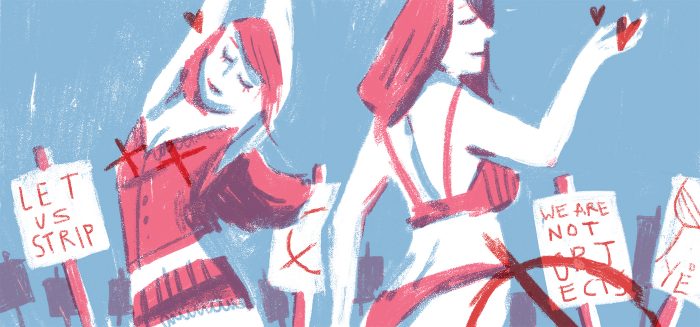

“If men can buy a dance from a naked woman, it reinforces the objectification of all women,” says Joanne, a Cable reader. “Banning strip clubs only causes women to suffer,” says another, Emma. “Women have the option to work in these establishments and taking away their right to do so simply forces them into more unsafe situations.”
These are two of more than 70 people to give their opinion on the debate about whether Bristol’s strip clubs should remain open, on the eve of a long-anticipated public consultation.
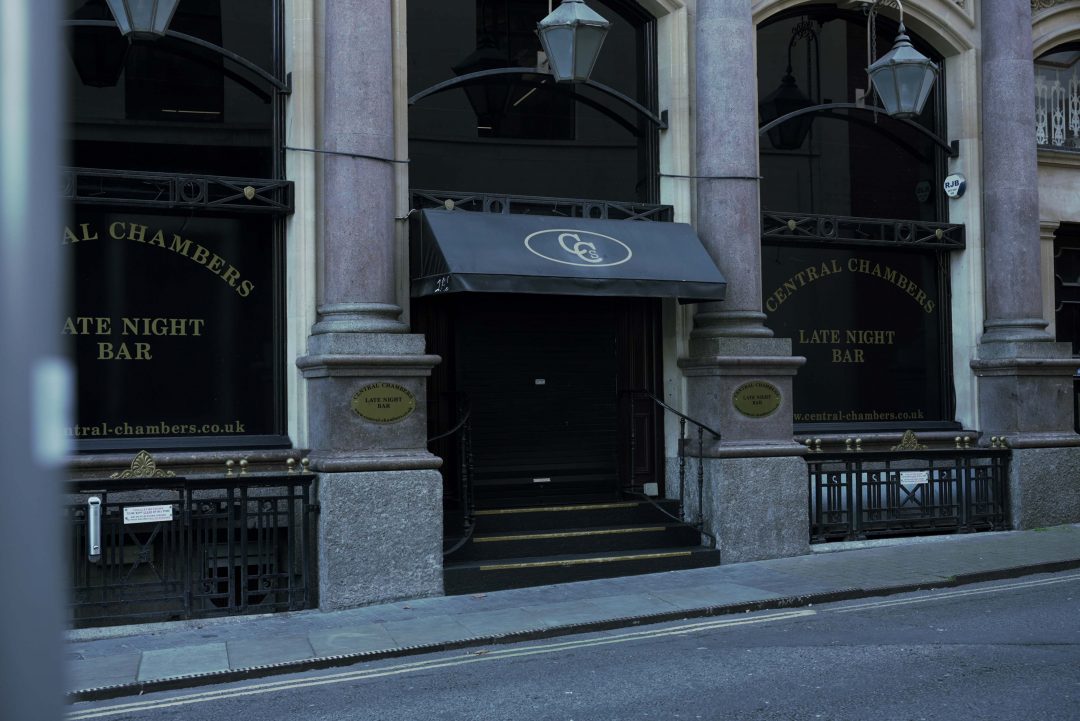
Last week, Bristol’s two strip clubs Central Chambers and Urban Tiger had their licenses renewed for another year. But their future remains under threat after councillors voted in March to consult the public on plans to ban sexual entertainment venues (SEVs).
These licensing hearings were the latest flashpoint in a long-running debate about SEVs. The Cable has spoken to performers who said it was their choice to be sexualised by men in a safe, tightly regulated environment, and women’s rights groups who believe these establishments promote misogynist views, sexual harrassment and violence against women.
Given the complexity of the debate, we wanted to find out what Cable readers thought, so we asked them. Of the dozens of readers who shared their views on this divisive issue, a clear majority were against banning strip clubs.
One of the most common arguments made by opponents of the ban was about the safety of regulated SEVs compared with the risk of the work being pushed underground. Flo said: “Sex work in licensed SEVs is much safer, boundaried, and ensures that sex workers have institutional backing.
“If strip clubs are banned, this forces women into a situation where they must work underground, cannot call the police, cannot negotiate with clients, their choice in venue is restricted making the work less safe,” she said. “It is important to note that this is already the case for the most vulnerable sex workers such as some migrant workers who cannot access work in a licensed venue because of their immigration status.”
But for supporters of the ban who answered our callout, it’s important to look at the bigger picture. One reader, who wanted to remain anonymous, said: “They’re part of an industry built on the exploitation of women. It reinforces the message that women’s value lies in their looks and how they perform for men. It has a knock-on effect for all women, with men expecting sexual relationships to be built on us pleasing them.
“I’m genuinely shocked that people don’t see that. They’ve been sold a lie that, because women earn money from it, it’s empowering – well it’s not empowering for me, I’m not earning money from it and have to live with the consequences of strip clubs feeding this sexism.”
Another reader, Sarah, said: “Strip clubs have no place in society, no woman should have a price on her head, it promotes misogyny and objectification.” She added that her two teenage sons would be against the prospect of a strip club, because they respect all women.
However, others said it was not the council’s role to legislate based on moral objections. Audrey said: “It is unconscionable that Bristol City Council are debating removing these safe workspaces and protections, purely on the grounds they make a certain minority of women uncomfortable – who are they to put their voices and morals above the safety and financial security of workers? Do strippers not deserve the right to work safely?”
A number of readers said it was important that women had the right to choose what they do for work, and also that sex workers needed to be listened to in this debate. Danica said: “Women have the right to choose what to do with their own bodies and if they want to strip we should be making it as safe as possible for them. You can’t claim you are a feminist then just ignore a whole group of women who are trying to speak up for their rights.”
But others said the industry was exploitative. Ed said: “There is a growing tendency among the left, and those who say they fight for women’s rights (or rights if any kind) to defend someone’s right to work in exploitative and ethically dubious situations rather than condemn and outlaw the situation that creates that work in the first place.” Another reader, Judith, compared the performers to victims of domestic abuse who do not realise the harm caused to them until they are outside the harmful situation later on.
Where there was consensus, was that separate action was drastically needed to change men’s attitudes towards women. One reader, Katy, said “[SEVs] are part of the problem (and never the solution!) of problematic sexualisation and objectification of women that I, as a woman, want to eradicate from society. Closing them is one small part of the many actions required to change cultural norms and societal attitudes to make us all safer.”
Opponents of the ban agreed that more needed to be done to tackle harmful attitudes towards women. “Whilst I don’t like them I don’t think there is strong evidence to support that they cause misogyny; it’s rather that they are symbolic of a misogynist society,” said Esther. “Money and effort would be better spent in education and youth services to promote equality than damn existing responses to an unequal society.”
Kate added: “Educating men to face their misogyny and learn to be more respectful of women is really important and all of society is responsible for this – schools, parents, and the council.”
With Bristol City Council expected to release the 12-week public consultation on the proposed ban on SEVs soon, the debate is likely to rumble on across the city.